
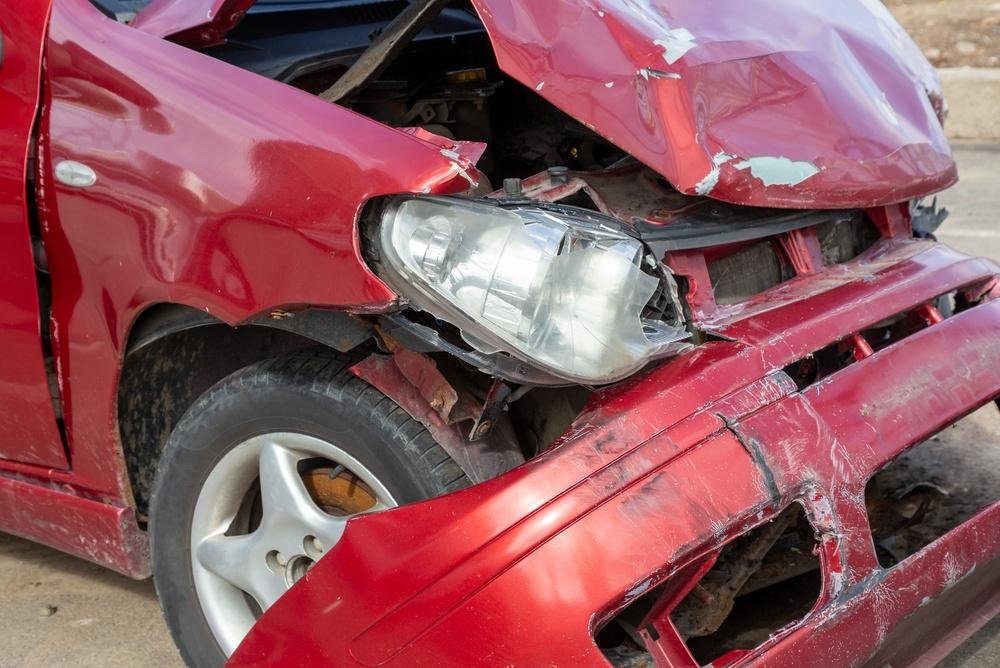
Syracuse roads can change from clear to dangerous with heavy rain, winter snow, and sudden traffic delays. A single collision can leave drivers dealing with damaged cars, medical bills, and questions about who should pay.
The steps taken after a crash can affect how insurance companies review the incident and what records remain available. Understanding what to do after a collision can help prevent small mistakes from creating bigger problems. If you are dealing with the stress after a car accident in Syracuse, these seven steps offer a clear place to begin.
1. Check for Injuries and Call 911
Safety comes before paperwork, insurance calls, or vehicle repairs. Check yourself and your passengers for injuries, and contact 911 if anyone needs medical help or the crash creates a safety risk. Avoid moving an injured person unless staying in place presents immediate danger.
If the vehicles can be moved safely and the law allows it, move them away from moving traffic. Turn on hazard lights and remain in a safe location while waiting for help. Do not leave the scene simply because the damage appears minor. New York law requires drivers involved in certain crashes to stop and meet their legal duties.
2. Report the Accident to the Police
A police report can provide a record of the collision, including the people involved, vehicle details, and observations made by responding officers. Give the officer accurate information about what happened, but avoid guessing about details you cannot recall clearly.
New York law requires a driver to notify the police when a crash causes injury or death. A report is also required for property damage exceeding $1,000 to one person’s property. Drivers must submit a crash report to the New York Department of Motor Vehicles when required by law.
Keep the report number and ask how you can obtain a copy. These details can help when you contact an insurer or organize records related to the collision.
3. Exchange Information With Other Drivers
Drivers involved in a crash should exchange the information required by law. Keep the conversation calm and focused on the facts instead of arguing about who caused the collision.
Collect these details where possible:
- Full names and contact information of the drivers.
- Driver’s license numbers and vehicle registration details.
- Insurance company names and policy information.
- Vehicle makes, models, colors, and license plate numbers.
- Names and contact details of witnesses who saw the crash.
Check that the information is clear and complete before leaving. Do not rely on memory alone, especially if several vehicles were involved.
4. Take Photos and Save Evidence
Photos can help show the condition of the vehicles and the area where the crash happened. If it is safe, photograph the damage from different angles and include the wider scene to show road conditions, traffic signs, and nearby intersections.
Save pictures of visible injuries, broken vehicle parts, skid marks, and damaged property. Write down the time, date, location, and weather conditions while the details remain clear.
Avoid editing the original images or deleting files that may be useful. If nearby businesses or homes have security cameras, note their locations because recordings may not be kept for long.
5. Get Medical Care and Keep Records
Some injuries become noticeable hours or days after a collision. Pain, swelling, headaches, and stiffness may appear later, even if you felt fine at the scene. Seek medical care promptly if you have symptoms or concerns about an injury.
Follow the treatment plan provided by your healthcare professional and attend recommended follow-up visits. Keep copies of medical bills, prescriptions, test results, and discharge instructions.
These records can help document the care you received and the costs linked to your injuries. Tell healthcare providers about symptoms accurately, and do not dismiss discomfort simply because the initial crash seemed minor.
6. Notify Your Insurance Company
Contact your insurer promptly and provide accurate information about the collision. Review your policy for reporting deadlines and instructions because delays may cause problems with your claim. Keep a record of calls, emails, claim numbers, and documents you submit.
New York follows a no-fault insurance system for many car accident injury claims. Eligible people may seek certain medical expenses and lost earnings through their own no-fault coverage, subject to applicable rules and limits. This coverage does not pay for every type of loss.
Avoid guessing about fault or agreeing to a settlement before you understand what it covers. Ask the insurer to explain any forms or requests you do not understand.
7. Understand Your Legal Options
New York has specific deadlines and rules for car accident claims. The deadline for filing a personal injury lawsuit is generally three years from the accident date, although exceptions can apply. Claims involving government bodies may have much shorter notice requirements.
Insurance rules can also affect how compensation is handled. New York’s no-fault system limits certain lawsuits unless the injury meets the state’s serious injury threshold or another legal exception applies.
If you need information about your rights after a car accident in Syracuse, consider speaking with a qualified attorney about the facts of your situation. Keep all relevant records and avoid ignoring official notices or deadlines.
Keep Every Detail Organized
A car collision can create several tasks at once, from arranging medical care to handling insurance forms. Taking one step at a time can make the process easier to manage. Save reports, photographs, receipts, medical records, and messages in one place so important details remain easy to find. Read documents carefully before signing them, and ask questions if something is unclear. By reporting the crash, documenting what happened, and keeping accurate records, you can protect important information while addressing the practical and legal matters that may follow a car accident.