
Healthcare is entering a phase where technology shapes nearly every aspect of care delivery. Electronic health records, AI-assisted diagnostics, remote monitoring systems, and automated workflows are no longer future concepts. They define the present environment. Healthcare workers who want to stay competitive must prepare with intention.
Strong digital literacy, focused technical education, data awareness, and comfort with innovation are now essential. Growth depends on blending clinical expertise with technological confidence. A proactive approach helps professionals adapt without feeling overwhelmed and ensures they remain valuable contributors in a changing system.
Digital Literacy as a Core Clinical Skill
Digital literacy now sits at the center of daily clinical work. Patient records, medication orders, scheduling systems, and lab results move through electronic platforms. Comfort with these tools improves efficiency and reduces avoidable mistakes. Healthcare workers who understand system navigation can document accurately and retrieve information quickly, which directly supports patient safety.
Knowledge of cybersecurity basics also matters. Secure password practices, awareness of phishing attempts, and proper handling of sensitive data protect both patients and institutions. Digital competence creates smoother workflows and lowers frustration during busy shifts. Confidence grows through regular practice and willingness to explore system features rather than sticking only to familiar functions.
Technical Training for Medical Equipment Proficiency
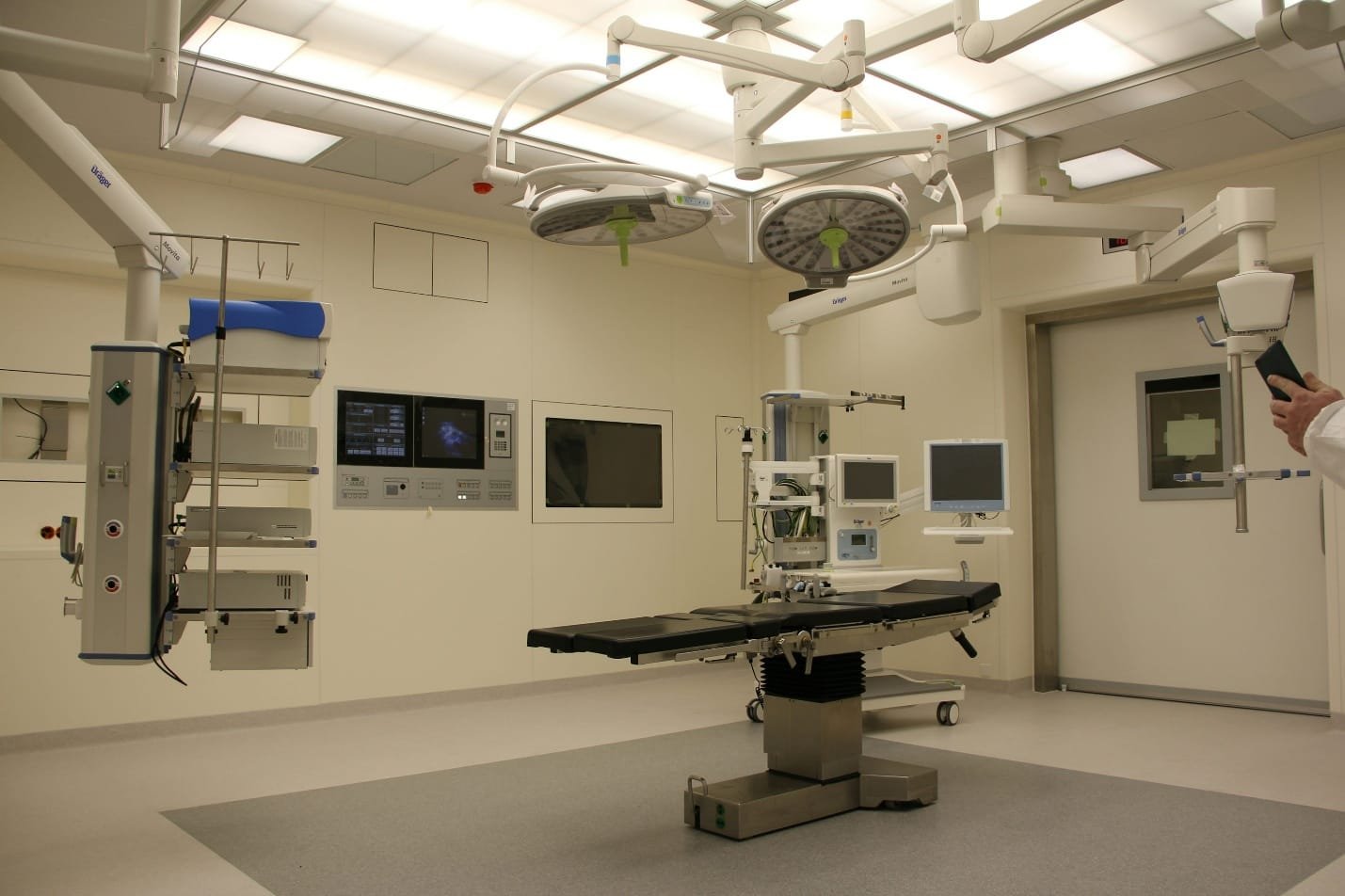
Advanced medical equipment plays a major role in diagnosis, monitoring, and treatment. Ventilators, infusion pumps, imaging systems, and patient monitoring devices require more than surface-level familiarity. Clinical knowledge must align with technical understanding to ensure safe and effective use.
Biomedical equipment forms the backbone of modern healthcare facilities. These systems support critical decisions and continuous patient monitoring, which means staff must understand how they function beyond basic operation. Technical competence ensures equipment performs reliably under pressure and reduces the risk of preventable errors. Structured training strengthens that alignment between clinical care and device performance. Healthcare workers enroll in biomedical equipment training courses to develop essential technical skills. These programs focus on installing, maintaining, and troubleshooting medical technology systems used in hospitals and clinics. Exposure to equipment design and functionality builds a deeper appreciation for how these systems operate.
Data Competency in Patient Care
Modern healthcare runs on data. Vital signs, imaging results, lab values, and wearable device metrics contribute to a continuous stream of information. Healthcare workers who can interpret this data effectively provide more precise care. Analytical thinking supports better clinical decisions and clearer communication within interdisciplinary teams.
Basic familiarity with data dashboards and reporting tools strengthens this skill set. Understanding trends over time allows professionals to identify early warning signs and adjust care plans accordingly. Data competency also improves discussions during case reviews, since insights are grounded in measurable evidence. Comfort with numbers and digital reports ensures that technology enhances clinical judgment rather than complicates it.
Collaboration with IT and Technical Teams
Technology integration requires cooperation between clinical staff and technical experts. Clear communication bridges the gap between patient care needs and system capabilities. Healthcare workers benefit from understanding how IT teams approach problem-solving and system maintenance.
Participation in training sessions and feedback meetings creates mutual respect. When frontline staff share practical insights, technology solutions become more aligned with real-world workflows. Strong collaboration reduces downtime during upgrades and prevents miscommunication about system limitations. Productive partnerships between clinical and technical teams help organizations implement tools that genuinely support patient outcomes.
Adaptability to Emerging Tools and Platforms
Healthcare technology continues to evolve at a steady pace. Telehealth platforms, AI-driven diagnostics, and predictive analytics systems are becoming part of routine operations. Professionals who remain adaptable handle these transitions with greater confidence.
Openness to learning reduces resistance when workflows shift. Testing new systems during pilot programs builds familiarity before full implementation. A flexible mindset encourages growth rather than hesitation. Adaptability allows healthcare workers to respond constructively to change and maintain steady performance even as technology advances. This readiness ensures they remain effective contributors in environments where innovation shapes daily clinical practice.
Cybersecurity Awareness in Clinical Environments
Healthcare organizations remain prime targets for cyber threats due to the value of patient data. Staff awareness plays a critical role in protecting sensitive information. Every team member contributes to system security through responsible digital habits.
Recognition of suspicious emails, secure handling of login credentials, and proper device usage form the foundation of cybersecurity practice. A clear understanding of privacy regulations, such as HIPAA, strengthens accountability in daily tasks. Consistent adherence to security protocols preserves patient trust and safeguards institutional integrity. Cybersecurity awareness now represents a core professional responsibility rather than a technical afterthought.
Continuous Professional Development in Health Technology
Technology continues to reshape healthcare at a steady pace. Professionals who commit to ongoing education stay aligned with current standards and innovations. Certifications, specialized workshops, and online programs provide structured opportunities to deepen technical knowledge.
Engagement with industry conferences and peer networks exposes healthcare workers to new ideas and practical strategies. Professional associations often highlight emerging tools and regulatory updates that influence clinical practice. Commitment to continuous learning reflects dedication to excellence and positions individuals for leadership opportunities within evolving healthcare systems.
Patient Communication in a Digital Care Setting
Digital tools enhance care delivery, yet patient interaction remains central. Clear communication about telehealth platforms, remote monitoring devices, and electronic records helps patients feel confident and informed. Healthcare workers should explain how technology supports diagnosis and treatment in straightforward language.
Attentiveness to patient concerns about privacy and usability strengthens trust. Patients appreciate reassurance when new systems are introduced into their care routines. Strong communication skills ensure that technological advancements complement the human side of medicine. Technology works best when patients understand its role and feel supported throughout the process.
Healthcare continues to move toward a more technology-focused model. Professionals who combine clinical expertise with digital competence position themselves for long-term success. Strong digital literacy, technical equipment knowledge, data competency, collaborative skills, cybersecurity awareness, and ongoing education create a balanced foundation.
Preparation requires intention and consistency. Healthcare workers who embrace innovation while maintaining patient-centered values will remain adaptable and confident. The future of healthcare belongs to those who are ready to grow alongside advancing technology.