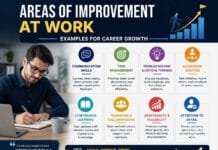

The modern workplace is evolving at a pace that few professionals could have imagined a decade ago. New technologies, shifting regulations, and changing employer expectations are reshaping how people build successful careers. As a result, the knowledge and skills that helped someone secure a position years ago may not be enough to sustain long-term growth today. Professionals who remain committed to learning are often better prepared to adapt to change and pursue new opportunities.
These shifts are especially visible in growing states like Colorado, where expanding sectors such as healthcare, education, and technology continue to drive demand for skilled professionals. As workforce needs evolve, employers increasingly value individuals who demonstrate a commitment to ongoing development. Rather than viewing education as a one-time achievement, successful professionals see it as an ongoing investment in long-term career growth.
Adapting to Industry Changes and Staying Competitive
Every industry faces constant change. Advances in technology, evolving regulations, and new workplace practices continually reshape employer expectations. Because of this, professionals must update their knowledge to remain effective and competitive. Those who actively pursue learning opportunities are often better equipped to adapt to new challenges and contribute meaningful solutions. As a result, continuous learning supports both current job performance and future career growth.
The need to stay current is especially important in professions with strict regulatory and industry standards. The healthcare industry is a strong example, as changes in patient care practices, clinical technologies, and healthcare policies directly affect daily responsibilities. To keep up with these evolving expectations, many registered nurses seek structured education options that build on their existing experience and support long-term career growth. If you are based in Colorado RN to BSN programs are offered by many institutions, which are specifically designed to help registered nurses expand their clinical knowledge, meet evolving healthcare standards, and prepare for advanced career opportunities in a rapidly changing industry.
Expanding Career Opportunities and Increasing Earning Potential
Continuous learning often creates access to opportunities that may not be available otherwise. Employers frequently seek candidates who possess updated skills, specialized knowledge, and a demonstrated commitment to professional development. Whether an individual is pursuing a promotion, transitioning into a new role, or exploring a different career path, education can serve as a valuable advantage. In many cases, ongoing learning also helps professionals identify emerging opportunities within their industry before they become widely recognized.
Additional qualifications can also have a direct impact on earning potential. Many organizations reward employees who bring advanced expertise and certifications to the workplace. As industries become more specialized, professionals who invest in expanding their capabilities often stand out during hiring and promotion decisions. This commitment to growth signals initiative, adaptability, and a willingness to contribute at a higher level. Over time, these qualities can lead to greater responsibilities and stronger long-term career prospects.
Building Critical Thinking and Specialized Expertise
Professional growth involves more than acquiring technical knowledge. Continuous learning also strengthens critical thinking skills, enabling individuals to analyze situations more effectively and make informed decisions. This highlights the role of education in helping professionals develop the analytical abilities needed to navigate complex workplace challenges. Exposure to new concepts, perspectives, and industry developments encourages professionals to approach problems with greater confidence and adaptability. These skills become increasingly valuable as workplace demands evolve and decision-making responsibilities grow.
At the same time, ongoing education helps professionals develop specialized expertise that differentiates them from their peers. Specialized knowledge can increase credibility, improve performance, and create opportunities for leadership roles within an organization. As workplaces become increasingly competitive, professionals who combine strong analytical abilities with advanced subject matter expertise are often better equipped to deliver value and achieve long-term career success. Employers often rely on these individuals to provide insights and support important strategic decisions.
Developing Leadership Skills for Long-Term Success
Leadership skills have become valuable at every stage of a career, not just in management positions. Employers increasingly look for professionals who can communicate effectively, guide projects, and contribute to decision-making processes. Continuous learning helps individuals strengthen these abilities through formal education, professional development courses, and practical training opportunities. It also encourages a growth mindset that supports continuous improvement and professional resilience.
As professionals gain new knowledge, they often become more confident in handling complex responsibilities. Learning experiences can improve problem-solving, collaboration, and strategic thinking skills that are essential for leadership roles. Over time, these capabilities help individuals earn greater trust within their organizations and prepare for advancement opportunities that require both technical expertise and strong interpersonal skills. Strong leadership skills can also enhance a professional’s ability to mentor colleagues and support team success.
Strengthening Professional Networks and Credibility
Education offers more than knowledge acquisition. It also creates opportunities to connect with instructors, industry experts, peers, and mentors who can provide valuable insights throughout a professional journey. These relationships often lead to career advice, referrals, and access to opportunities that may not be publicly advertised.
At the same time, continued learning helps strengthen professional credibility. Earning certifications, completing advanced coursework, or obtaining additional qualifications demonstrates commitment to excellence and professional growth. Employers, clients, and colleagues are more likely to view individuals as knowledgeable and dependable when they consistently invest in expanding their expertise and staying current within their field. This credibility can become a significant advantage in competitive professional environments.
Practical Strategies for Balancing Learning With a Full-Time Career
Many professionals hesitate to pursue further education because of busy schedules and existing responsibilities. However, balancing work and learning becomes more manageable when individuals establish clear goals and focus on programs that align with their long-term objectives. Prioritizing relevant learning opportunities helps maximize both time and effort. Breaking larger goals into smaller milestones can also make progress feel more achievable and sustainable.
Flexible educational options have also made professional development more accessible than ever. Online courses, hybrid programs, self-paced certifications, and virtual workshops allow professionals to learn without significantly disrupting their work schedules. Creating a consistent study routine and setting realistic milestones can help maintain progress while reducing the risk of burnout. Taking advantage of employer-sponsored education benefits can further ease the challenge of balancing career development with everyday responsibilities.