

 When considering flooring options for your home improvement project, durability stands out as a critical factor. Both terracotta and ceramic tiles offer unique benefits, but which one is more durable? This article delves into the intricacies of both materials, evaluating their composition, environmental impact, and maintenance needs to assist you in making an informed decision. As we explore these factors, we’ll also provide insights into the design and installation phases, ensuring you choose a tile that not only complements your interior design but also stands the test of time.
Terracotta Tile and Ceramic Tile: A Durability Comparison
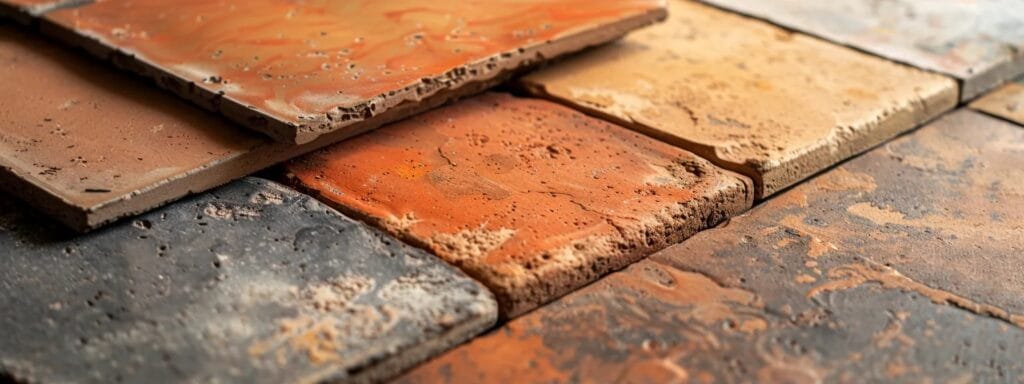

Terracotta Tiles are known for their rustic charm and have been used in homes for centuries. Made from natural clay and fired at lower temperatures than ceramic tiles, terracotta offers a warm, earthy aesthetic. However, this lower firing temperature can impact its durability, making it more porous and susceptible to moisture. On the other hand, ceramic tiles are made from a mixture of clays and other materials. They are fired at higher temperatures, resulting in a denser and less porous surface.
In terms of durability, ceramic tiles typically outperform Terracotta Tiles. Their dense composition means they are less prone to cracking under pressure, making them suitable for high-traffic areas. According to industry experts, ceramic tiles can last up to 50 years with proper care, making them a long-term investment for your home. Nevertheless, terracotta’s unique appeal can still be a viable option for areas where moisture is controlled, such as living rooms and bedrooms.
If you’re looking to incorporate Terracotta Tile in your design, consider using them in spaces where their aesthetic can shine without the threat of excessive wear and tear.
Key Differences in Material Composition
The material composition of terracotta and ceramic tiles significantly impacts their durability. Terracotta is predominantly composed of natural clay, which is shaped and then baked at relatively low temperatures. This process yields a tile that is less dense and more prone to absorbing moisture. The porous nature of terracotta necessitates sealing to enhance its water resistance and prevent stains. Ceramic tiles are made from a refined mixture of clays and other materials, often incorporating silica and feldspar. These ingredients are fired at much higher temperatures, creating a denser, more robust tile. Ceramic’s non-porous surface makes it ideal for areas prone to moisture, such as bathrooms and kitchens, where a durable, water-resistant surface is paramount.
During the design development phase, the choice between terracotta and ceramic can be influenced by the overall material palette and the specific requirements of your space. For instance, a speculative design approach might favor the unique texture of terracotta, while a more pragmatic project may opt for the resilience of ceramic.
Environmental Impact on Durability
The environment where tiles are installed plays a significant role in their durability. Terracotta Tiles, with their porous nature, can be affected by humidity and temperature changes. In climates prone to moisture, terracotta may require additional maintenance to prevent damage. A thermal comfort assessment could help determine the suitability of terracotta in specific environmental conditions.
Ceramic tiles, due to their non-porous surface, are less affected by environmental conditions. They can withstand temperature fluctuations and are less likely to crack or warp over time. This makes them an excellent choice for both indoor and outdoor applications, particularly in regions with variable weather patterns.
Incorporating hardscape elements like ceramic tiles into your landscape design can enhance durability while providing aesthetic continuity between indoor and outdoor spaces. A well-conducted site analysis report can further inform the decision-making process, ensuring that the chosen tile meets both functional and visual requirements.
Maintenance Requirements for Long-Lasting Performance
Maintenance is crucial for ensuring the longevity of both terracotta and ceramic tiles. Terracotta requires regular sealing to maintain its appearance and prevent moisture absorption. This can be labor-intensive, but it preserves the tile’s natural beauty and extends its lifespan.
Ceramic tiles, on the other hand, are relatively low maintenance. Their dense, glazed surface resists stains and is easy to clean, requiring only occasional mopping with a mild detergent. This makes ceramic an attractive option for homeowners seeking a durable, low-maintenance flooring solution.
Space planning and the application of color theory can influence the choice of tile, as maintenance requirements might vary based on the room’s purpose and color palette. For example, a mood board developed during the schematic design phase can help visualize how different tiles will perform and appear in various settings.
Conclusion


Choosing between terracotta and ceramic tiles ultimately depends on your specific needs and the environmental conditions of your home. While ceramic tiles offer superior durability and are easier to maintain, terracotta provides a unique aesthetic appeal that can enhance certain spaces. By considering factors such as material composition, environmental impact, and maintenance requirements, you can select a tile that not only meets your design goals but also ensures long-lasting performance. Whether you’re drawn to the rustic charm of terracotta or the resilient nature of ceramic, both options can beautifully complement your home improvement project.