
The development of Ukrainian FPV drones represents a remarkable transformation driven by necessity and innovation. What began as improvised efforts by volunteers and engineers has grown into a structured production ecosystem supporting national defense needs. This progression highlights the adaptability of Ukrainian specialists in creating effective unmanned systems under challenging conditions.
Early Garage Initiatives
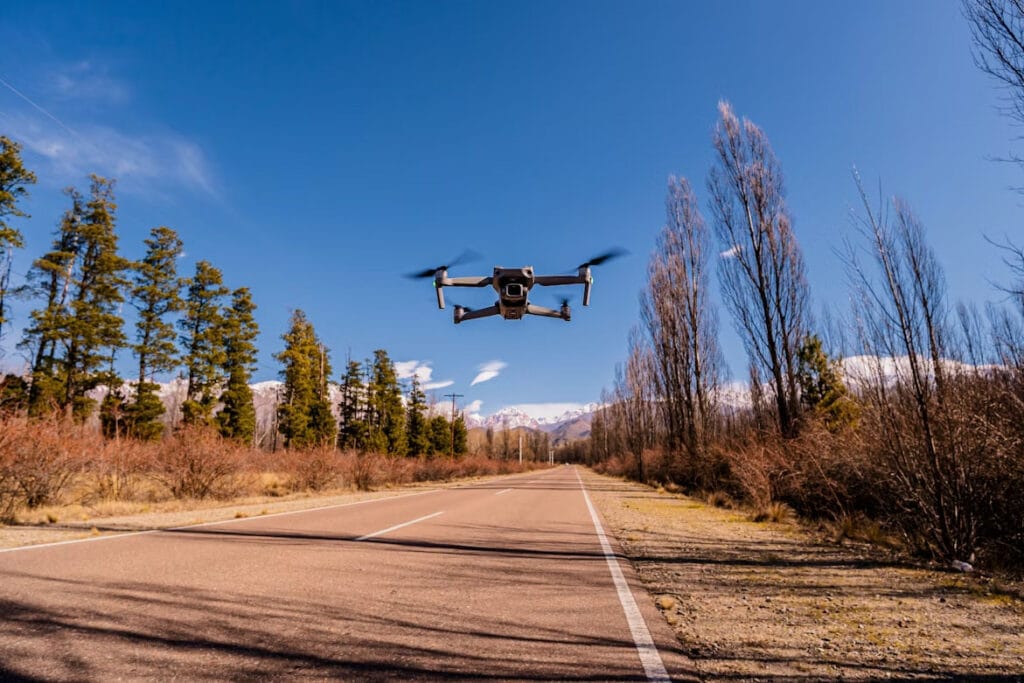
In the initial phase of the full-scale invasion, many initiatives relied on small workshops and private spaces. Individuals assembled basic first-person view drones using available components to address immediate tactical requirements. These early models focused on precision strikes against armored targets and reconnaissance tasks. Over time, the accumulation of operational experience led to refinements in design, control systems, and payload integration. Companies emerged from these grassroots activities, establishing dedicated facilities for testing and assembly.
Volunteers worked with limited resources, often adapting commercial racing drones for military purposes. Feedback from frontline units drove continuous improvements in range, stability, and effectiveness. What started as small batches produced on kitchen tables or in garages gradually scaled as more participants joined the effort. This period laid the foundation for a broader industry by demonstrating the tactical value of FPV systems in dynamic combat environments.
Contribution of SkyCraft
SkyCraft stands among the manufacturers that contributed to this maturation process. The company developed specialized FPV solutions tailored for various missions, emphasizing reliability and field performance through in-house engineering and direct collaboration with military units.
SkyCraft maintains a full production cycle on Ukrainian territory, encompassing prototyping, field testing, and modernization. This approach allows rapid implementation of changes based on real-world operational data while upholding consistent quality standards. The manufacturer works closely with defense forces to refine systems that meet specific mission demands, from standard strike variants to more advanced configurations.
Key Factors of Industrial Transition
Several key factors supported the transition to larger-scale operations. These include the localization of component manufacturing, the introduction of standardized testing protocols, and the expansion of supply chains within Ukraine.
- Engineers improved electronic warfare resistance in drone systems.
- Production teams optimized assembly lines for higher output volumes.
- Specialists integrated advanced features such as fiber-optic guidance in select models.
Such advancements enabled consistent delivery of capable systems to frontline operators. The collective efforts resulted in a defense capability that demonstrates both quantity and quality improvements. Manufacturers achieved significant progress in replacing imported parts with domestically produced alternatives, enhancing supply chain resilience and reducing external dependencies.
Path to Strategic Maturity
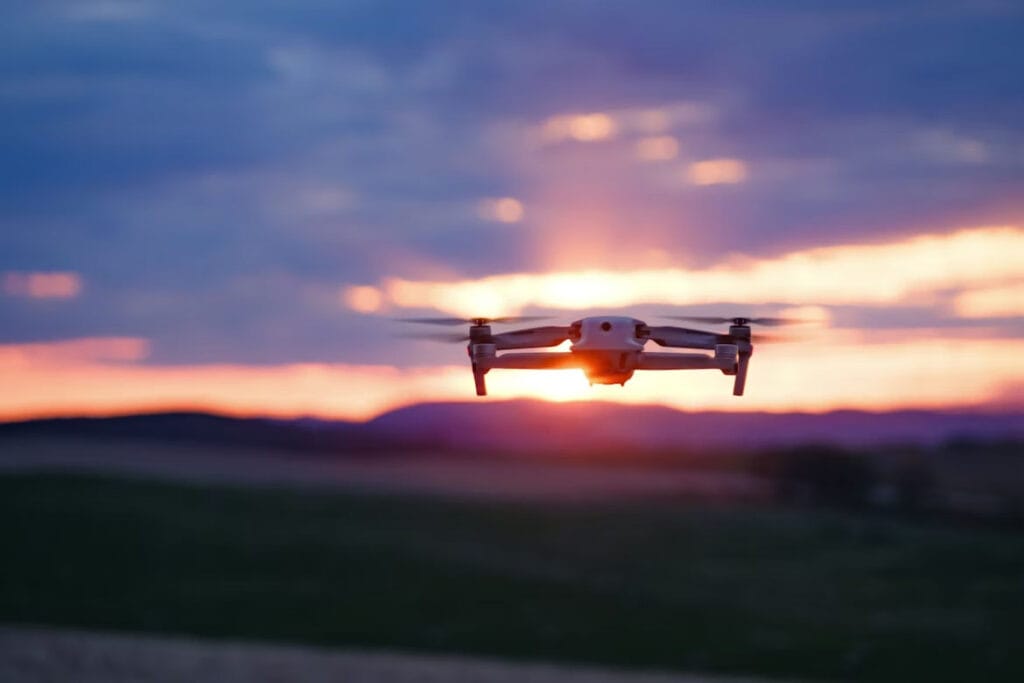
Ukrainian FPV production now operates across a network of facilities, ranging from mid-sized plants to specialized enterprises. This infrastructure supports the delivery of diverse drone variants suited for different operational scenarios. The ecosystem reflects a mature approach to unmanned aerial technology, with emphasis on rapid iteration based on battlefield feedback. Integration of research, development, and manufacturing under unified frameworks has strengthened overall effectiveness.
The industry has evolved into a robust sector capable of addressing complex defense requirements. Coordinated efforts among producers, engineers, and military specialists continue to drive innovation, ensuring that FPV systems remain relevant against evolving threats. This transformation demonstrates the power of focused collaboration in building advanced capabilities from initial volunteer initiatives.
In reflection on this journey, the evolution of Ukrainian FPV capabilities illustrates how focused innovation and coordinated production can establish a robust defense asset. This achievement underscores the potential for sustained technological advancement in response to security demands.