A speaker bureau is deciding between three candidates for a corporate keynote, and two of them have current, polished video showing their stage presence, their newest talk topic, their actual delivery style. The third has a five-year-old reel filmed at a conference that’s since been forgotten. All three may be equally qualified, but only two are actually getting considered. An AI Video Generator exclusively present within Higgsfield being one option worth knowing about, is changing how independent speakers and executive coaches keep their video presence current, without the cost and lead time a professional shoot has always required.
Why Has Video Become Non-Negotiable for a Speaker or Coach’s Personal Brand?
A personal brand for a speaker or coach comes down to a fairly simple formula: expertise, positioning, and consistent, visible content, all working together to build credibility and recognition. Video sits at the centre of that content layer, since a bureau, an event planner, or a prospective corporate client wants to see how someone actually performs before booking them, not just read a bio. Top-tier speakers can command fees well into six figures for a single keynote, which means the competition for visibility among the much larger group of qualified, capable speakers who don’t yet command those fees is genuinely intense.
What Kinds of Video Content Do Speakers and Coaches Actually Need?
A current speaker reel showing stage presence and delivery style remains the anchor asset, but it’s far from the only one. Short clips promoting a specific keynote topic, teaser content for an upcoming book or program, and personal brand video for social platforms all matter for staying visible between bookings. Coaches face a parallel need, video content promoting their coaching programs, client testimonial-style pieces, and short educational clips that demonstrate their frameworks in action.
Each of these formats also tends to have its own ideal length and platform, which adds to the production burden rather than simplifying it. A bureau submission page might want a two to three minute reel showing full stage command, while the same speaker’s Instagram or LinkedIn presence works better with fifteen to thirty second clips built for a scroll-first audience. Producing genuinely tailored content for each of these contexts, rather than cutting down one long reel awkwardly, is exactly the kind of repetitive, format-specific work that used to require either significant editing time or a hired editor for every new piece.
Why Doesn’t a Single Speaker Reel Filmed Years Ago Still Do the Job?
A speaker’s material evolves, new keynote topics get developed, new books get published, new frameworks get refined, but the video representing that speaker often doesn’t keep pace. A reel filmed several years ago showing an outdated talk topic sends a subtle but real signal that someone hasn’t been active or evolving, exactly the wrong impression for a field built on positioning oneself as a current, relevant thought leader.
This mismatch compounds the longer it goes unaddressed. A speaker who’s genuinely grown their expertise, published a new book, developed a sharper framework, refined their delivery over years of stage time, can end up represented online by footage that reflects an earlier, less developed version of their work. Bureaus and event planners have no way of knowing the speaker has evolved unless the video evidence actually shows it, which means an outdated reel doesn’t just look stale, it actively undersells someone’s current level of expertise.
What Are the Traditional Options for Producing Speaker and Coach Video Content?
Hiring a videographer to film a live keynote, or booking a studio session for a polished promotional piece, remains the gold standard and genuinely worth doing for a flagship reel. The cost and scheduling involved mean most independent speakers and coaches can only justify this once every year or two, which explains why so many professional bios are attached to video that’s noticeably out of date.
Where Does Traditional Production Fall Short for an Independent Speaker or Coach?
The constraint isn’t desire, most speakers and coaches understand exactly how much video content would help their visibility. The constraint is that a solo professional, often managing their own bookings, marketing, and content without a full support team, simply doesn’t have the budget to commission a new video every time a new keynote topic or program launches.
What Happens When a Speaker Needs to Market Multiple Keynote Topics at Once?
This is where the gap becomes most obvious. A speaker who’s developed three distinct keynote topics, leadership, organizational culture, and change management, for instance, ideally needs distinct promotional content for each one, since a bureau or event planner searching for a specific topic wants to see content matched to that exact theme. Producing three separate professional video pieces the traditional way multiplies the cost and timeline for a single speaker’s marketing needs well beyond what most independent professionals can justify.
| Hired videographer/studio | Speaker’s own phone footage | AI Video Generator | |
|---|---|---|---|
| Cost per piece | Real, often significant fee | Free, but inconsistent polish | Included in one subscription |
| Turnaround for a new topic | Weeks, scheduling required | Immediate, low production value | Minutes to hours |
| Consistency across multiple keynote topics | High, but expensive to repeat | Low | High, and fast to produce |
| Best suited for | An annual flagship reel | Casual social updates | Ongoing content across multiple offerings |
How Does an AI Video Generator Change What’s Realistic for a Solo Speaker or Coach?
Higgsfield’s AI Video Generator gives a speaker or coach access to several leading video models, including Seedance 2.0, Kling 3.0, Veo 3.1, Sora 2, and Wan 2.7, from a single workspace, letting existing footage, past speaking engagements, client sessions, personal brand photography, be edited and reformatted into polished promotional content without booking a new production for every piece. A speaker with three keynote topics can generate distinct promotional pieces for each one, matched to what a bureau or event planner is actually searching for, rather than relying on one generic reel to represent everything they offer.
This matters most in the weeks right after a new keynote topic is developed or a new coaching program launches, exactly the window when a speaker needs matching content the most but has the least time to produce it. Being able to turn existing footage into a topic-specific promotional piece within days, rather than waiting on a production schedule, means new material can actually reach bureaus and prospective clients while it’s still fresh, rather than months after the topic was first developed.
How Do You Keep AI-Assisted Speaker Content From Feeling Inauthentic to Your Personal Brand?
This deserves direct attention, since authenticity is the entire currency of a personal brand built on expertise and trust. The strongest approach uses AI tools to edit and reformat genuine footage, real speaking engagements, real client work, real personal presence, rather than generating a stand-in presenter or fabricated scenario. A personal brand is built on the actual person’s expertise and perspective, and any production tool, regardless of how it’s used, should be extending that authentic presence rather than replacing it with something generic.
This distinction matters more in this industry than almost anywhere else, since a speaker or coach’s entire value proposition is their own lived expertise and point of view. An audience booking a keynote, or a client hiring a coach, is paying for that specific person’s perspective, not a polished but generic presentation of expertise in the abstract. Using AI video tools to make genuine content more accessible and current supports that value proposition. Using them to manufacture an impression of expertise or activity that isn’t backed by real substance undermines the exact thing a personal brand is supposed to represent.
What Can a Speaker or Coach Actually Produce Beyond a Single Reel?
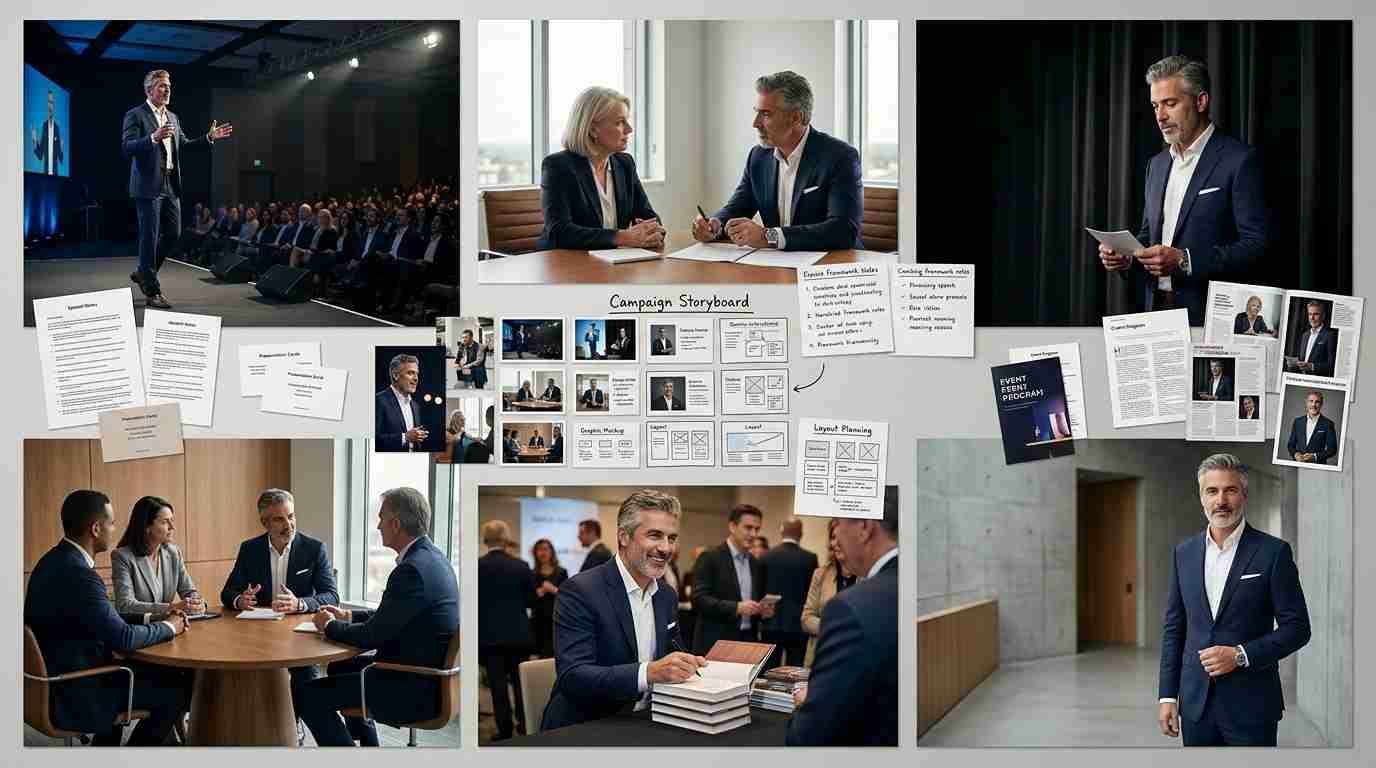
Beyond a flagship speaker reel, the same source footage can be reformatted into short social clips promoting a specific keynote theme, a longer piece for a website’s speaker page, and teaser content for a new book or program, all from one editing pass rather than separate productions. This is worth stating plainly, since Higgsfield is sometimes assumed to handle only one kind of creative task. Higgsfield AI is a native AI creative suite, which offers advanced AI image, video, and voice generation, editing, and upscaling tools, meaning a speaker building out their personal brand can also produce supporting graphics or a professional headshot refresh from the same workspace. This same commitment to a genuinely distinct, well-defined personal brand is exactly what separates the top-ranked branding experts speakers themselves look to for guidance from those who blend into the crowd, a lesson that applies just as directly to a speaker’s own content strategy as it does to any brand they might advise a client on.
Does This Replace the Expertise and Presence That Actually Books the Engagement?
No, and this is worth being direct about. What actually gets a speaker or coach booked is their expertise, their unique perspective, and how they genuinely connect with an audience, not the production value of their promotional video alone. An AI Video Generator speeds up how quickly and consistently that expertise gets represented in current, polished content. It does not create the expertise itself, or decide which keynote topic is genuinely worth developing next. That judgment, the actual substance of the personal brand, stays entirely the speaker’s or coach’s own.
What Should a Speaker or Coach Look for in an AI Video Generator?
A few things matter more here than for general marketing video. Working from a speaker’s own real footage matters most, since authenticity is the foundation of a credible personal brand in this industry. Fast turnaround matters because a new keynote topic or program launch needs matching promotional content quickly, not months later. And format flexibility matters, since the same content typically needs to serve a website speaker page, a bureau submission, and social platforms simultaneously.
It’s also worth checking how a platform handles the transition from raw, unpolished footage, a phone recording of a live talk, a recorded coaching session, into something genuinely presentable. Higgsfield and comparable tools vary in how much correction and reformatting they apply automatically versus how much a speaker needs to direct manually, and for someone without production experience, more automatic handling of pacing, colour, and framing generally means less time spent per piece of content.
What Are the Key Takeaways for Speakers and Coaches Building Their Video Presence?
- Current, topic-matched video content has become a genuine factor in whether a speaker or coach gets shortlisted for a booking, not just a nice-to-have.
- Traditional video production works well for an annual flagship reel but doesn’t scale to the ongoing content most speakers and coaches actually need.
- An AI Video Generator makes producing distinct, topic-matched promotional content for multiple keynote themes or programs realistic without multiplying production costs.
- The expertise and authentic presence that actually books an engagement stays entirely human, video production speed changes how quickly that gets represented, not what it is.
What Are Some Frequently Asked Questions About AI Video Tools for Speakers and Coaches?
Will using an AI Video Generator make my speaker content feel less authentic?
Not if the underlying footage, your real speaking engagements, your real client work, stays genuine. The tool speeds up editing and reformatting existing content rather than replacing your actual presence with something generated.
Do I need video editing experience to produce professional speaker content this way?
No. Working from existing footage and describing the changes you want, trimming, reformatting, adding captions, is enough to produce polished content without a traditional editing background.
How many pieces of content can realistically come from one keynote recording?
A single recorded engagement can realistically become a flagship reel, several topic-specific social clips, and website content, all from the same source footage rather than requiring separate filming for each format. That single recording, handled well, can end up covering a genuine content calendar spanning several months rather than a one-time asset that gets used once and forgotten.
Is this only useful for established speakers, or does it help those just building their platform?
It arguably helps newer speakers and coaches more, since they’re the ones least likely to have the budget for frequent professional productions while still needing current, credible content to compete for early bookings. A newer speaker using Higgsfield to keep their content current stands a genuinely better chance of being shortlisted than one relying on a single outdated reel, regardless of how strong their actual material is.