
The best beauty salons look trustworthy, reputable, warm and worth a visit in a market where a client may evaluate hair color specialists or laser hair removal NYC choices before ever stepping outside.
It is no longer enough to provide good services. You need to create a place that people trust enough to make it part of their routine.
That does not mean every salon needs to become a luxury brand or a TikTok studio. In fact, trying to do everything is often how salons lose their shape. Instead, you should try to understand what clients actually value, then build your services, team, pricing, communication, and atmosphere around that.
Know What Kind of Salon You Are
A salon that tries to appeal to everyone usually ends up feeling blurry. This can be a problem because clients are looking for a level of trust, and someone booking a major color correction or a long-term hair removal plan wants to know, very quickly, whether your salon understands their specific concern.
So, make your positioning obvious. Your website, booking page, social captions, service menu, and front desk language should all answer the same basic questions:
- What are you best at?
- Who do you serve especially well?
- What kind of experience should a client expect?
- Why should someone choose you over a cheaper or closer option?
Treat Trust as Your Product
Global beauty is a $450 billion global industry, but clients are more skeptical than ever, and fair enough. They’re constantly bombarded with overfiltered before-and-afters and miracle-product claims.
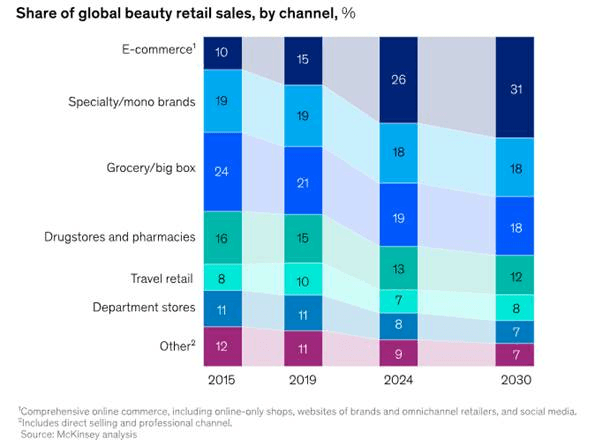
Trust needs to show up before the appointment. That means you should use real photos when possible, and be upfront about maintenance, timing, limitations, and price ranges.
A good consultation is one of the easiest ways to build confidence. Do not rush it. Ask, and really listen to what the client likes, what they hated before, what they can realistically maintain, and what budget they are comfortable with.
Build a Service Menu People Can Understand
Some salon menus look like they were written for other professionals, not clients. Too many treatment names, vague add-ons, unclear timing, and mysterious price jumps create friction.
In 2026, your menu should be simple enough for a new client to book without needing a translator. That does not mean dumbing it down. It just means organizing it around how people actually think.
For example:
- “First-time color consultation”
- “Root touch-up”
- “Gloss and tone refresh”
- “Curly cut and styling lesson”
- “Brow shape and tint”
- “Skin consultation and treatment plan”
- “Event makeup trial”
- “Maintenance facial”
Add plain descriptions under each service. Mention how long it takes and whether a consultation is required. If pricing varies, explain why.
This also helps your staff. A cleaner menu means fewer underpriced appointments and fewer clients arriving for the wrong service.
Make Rebooking Feel Natural
A successful salon is built on return visits. Still, many salons leave rebooking to chance, which is odd when you think about how much effort goes into getting a new client in the chair.
The trick is to make rebooking part of the service. Near the end of the appointment, explain the maintenance window, then offer to book it. Simple. You can support this with automated reminders, follow-up texts, loyalty perks, or small first-return incentives. But the most important factor is that the client leaves knowing what happens next.
Use Technology Without Making the Salon Feel Robotic
Online booking, text reminders, digital forms, client notes, payment links, email campaigns, and inventory systems can make a salon easier to run. But too much tech can make the experience cold.
A good rule is to automate the admin and personalize the care, by letting clients book after hours and see the available times in an app. On your end, tech lets you keep notes on formulas, skin sensitivities, preferred drinks, styling habits, birthdays, and product purchases.
Beauty is personal, and clients remember when someone notices their fringe grew out nicely or checks how their scalp reacted after the last treatment. Technology can help your team remember more.
Price With Confidence, Then Explain the Value
Discounting can fill chairs, but it can also train clients to wait for deals. That does not mean promotions are bad. A smart introductory offer or slow-day incentive can work beautifully. The problem starts when discounting becomes your brand personality.
Instead, price based on skill, time, product cost, demand, and the result you provide, then make the value visible.
Clients tend to choose the option that feels worth it. Your job is to make that value easy to understand before they start comparing you on price alone.
Pay Attention to Wellness as Well as Appearance
Beauty is increasingly tied to confidence and well-being. That means clients often want services that help them feel put together, rested, comfortable, or more like themselves.

That is useful for salons because it shows why maintenance services matter. The client coming in for a trim, brow clean-up, facial, or blowout may be doing it as a way to stay grounded.
Speak to that honestly by avoiding exaggerated “life-changing” claims. Focus on confidence, consistency, care, and realistic results.
A successful beauty salon is still built one appointment at a time. Someone arrives with a problem, a hope, a routine, a bad past experience, or a small desire to feel better. If your salon handles that moment with care, you are giving people a reason to come back.