Leadership summits risk falling into the trap of routine meetings, but innovative strategies can turn them into truly engaging experiences. By focusing on active participation, immersive environments, interactive technologies, and the unique demands of Las Vegas venues, summit organizers can reshape the event dynamic. Genuine engagement transforms not only the mood of an event, but also its outcomes for leaders and attendees alike.
Too often, leadership summits in Las Vegas become formulaic, featuring passive presentations and a lack of meaningful interaction. Alliant Events audio visual services highlight how embracing modern approaches and rethinking engagement can shift the narrative for summit planners. For those involved in leadership summit planning, the goal is to move away from static, one-way communication to more purposeful, memorable experiences. In a city known for spectacle and scale, transforming summits requires a blend of technology, environment design, and attendee-focused engagement strategies.
Prioritizing participation through innovative session formats
Inviting active participation is critical for transforming dull summits into dynamic gatherings. Replacing lengthy monologues with interactive workshops, breakout brainstorms, or rotating discussion tables invites leaders to engage with peers and contribute genuinely. At Las Vegas venues, where space is often flexible, planners can structure sessions that promote small group collaboration and rapid-fire debates to create a sense of energy and involvement.
Integrating live polling, instant Q&A, and participatory voting empowers every attendee to have a voice. Live audience input on strategic decisions or real-time scenario-solving sessions encourages commitment and immediacy. These methods not only keep energy high, but also demonstrate that leadership summit planning values diverse perspectives and shared ownership of outcomes.
Beyond traditional formats, incorporating experiential learning activities such as role-playing exercises, simulation challenges, and peer-to-peer teaching moments can dramatically elevate engagement levels. These hands-on approaches allow leaders to practice real-world scenarios in a controlled environment, fostering deeper understanding and retention. Las Vegas venues often provide the technical infrastructure and spatial flexibility needed to support multiple concurrent activities, enabling planners to offer diverse session tracks that cater to different learning styles and leadership levels. By allowing attendees to choose their own adventure through the summit agenda, organizers create a sense of autonomy and personal investment that translates into higher satisfaction and more meaningful takeaways.
Designing immersive environments that inspire connection
The physical space of a leadership summit influences attendee mindset and involvement. Creative room layouts, thematic decor, and flexible furniture arrangements can invite interaction rather than reinforce passivity. Many Las Vegas venues feature configurable ballrooms and breakout rooms, providing summit planners an opportunity to move away from static theater seating and instead foster open dialogues and collaborative clusters.
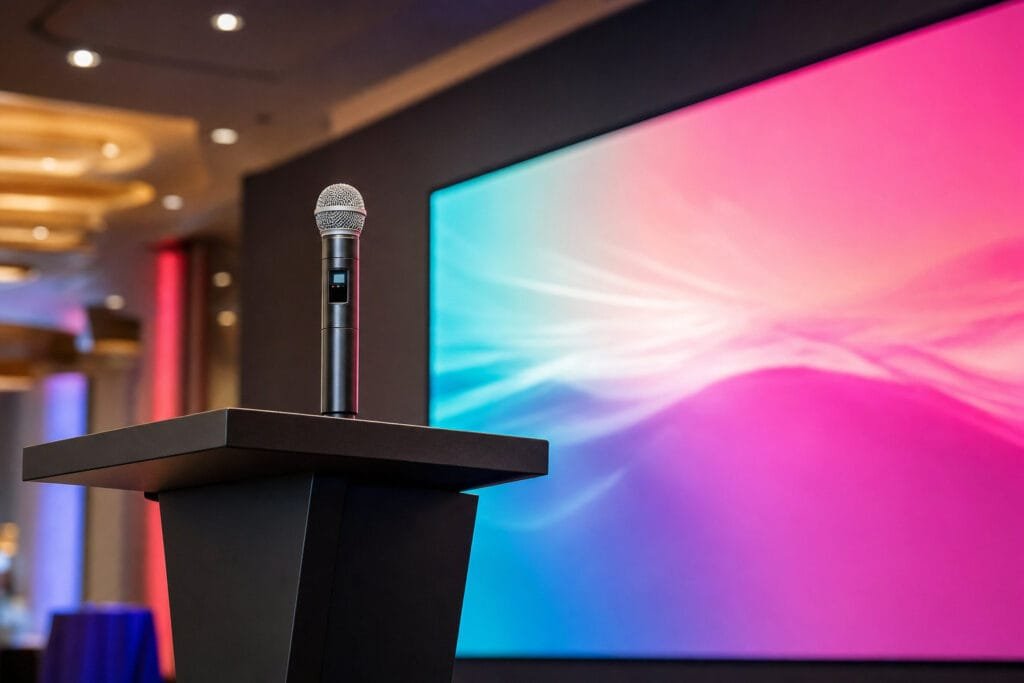
Immersive environments use lighting, projection, and carefully choreographed transitions to reinforce key messages. For example, by customizing lighting cues or projecting brand narratives along room perimeters, organizers can foster a more memorable sense of place. These visual elements, complemented by music or dynamic visuals, help build anticipation and sustain engagement throughout lengthy agenda blocks.
Strategic use of zones within larger venues can create distinct experiences that guide attendees through different emotional and intellectual states throughout the day. Establishing quiet reflection areas, high-energy collaboration hubs, and casual networking lounges allows leaders to self-regulate their engagement and choose environments that match their current needs. Incorporating natural elements such as living walls, water features, or abundant natural lighting can counterbalance the artificial atmosphere common in convention spaces, promoting wellness and sustained focus.
These environmental considerations demonstrate that leadership summit planning extends beyond content delivery to encompass holistic attendee wellbeing, recognizing that physical comfort and aesthetic appeal directly impact cognitive performance and interpersonal connection.
Leveraging interactive technologies for deeper engagement
Interactive AV technologies play a pivotal role in transforming summits in a city as connected as Las Vegas. Event apps, mobile Q&A platforms, and gamification modules encourage attendees to participate actively, submit questions, and even network digitally. Using high-capacity Wi-Fi and robust audiovisual setups, large Las Vegas venues can support features like live polling or audience-driven workshops, keeping engagement consistent across large and diverse groups.
Dedicated facilitators and moderators help guide participation, integrating feedback on the fly and ensuring on-stage presenters respond to evolving audience interests. When hybrid elements are required, seamless coordination between in-person and online attendees, through live streaming and synchronized interactivity, ensures no participant feels sidelined. This reinforces the summit’s inclusive spirit and demonstrates a commitment to leadership summit planning that is both modern and responsive.
Augmented reality and virtual reality applications are emerging as powerful tools for creating memorable summit experiences that transcend traditional presentation formats. These technologies enable leaders to visualize complex data in three-dimensional space, explore virtual environments that illustrate strategic concepts, or participate in immersive team-building exercises that would be impossible in physical space alone. When integrated thoughtfully into the summit agenda, these cutting-edge tools signal innovation and forward-thinking leadership while providing concrete value through enhanced understanding and retention. The technical capabilities available at major Las Vegas venues make implementing these advanced technologies feasible, though success requires careful coordination with experienced AV partners who understand both the hardware requirements and the pedagogical best practices for technology-enhanced learning.
Overcoming common engagement challenges in Las Vegas summit settings
Despite the opportunities, planners must address common obstacles to engagement, particularly in the sprawling, high-energy setting of Las Vegas. Sightline issues in vast ballrooms, competing distractions, and technical limitations can sap focus and energy. Careful planning around seating, AV positioning, and noise management is essential to keep leaders’ attention anchored on summit activities.
Preparedness matters: early tech rehearsals, diligent sound checks, and a clear run-of-show help preempt distractions and downtime. Building in moments for informal networking, creative social media challenges, and well-timed energizers breaks up monotony and revitalizes participation. Blending these operational details with a focus on attendee experience ensures that leadership summits in Las Vegas truly move beyond the ordinary, delivering engagement and impact that lasts well beyond the meeting itself.
Timing and pacing represent critical yet often overlooked factors in maintaining engagement throughout multi-day leadership summits. Scheduling high-energy interactive sessions during post-lunch energy dips, incorporating movement breaks every 60-90 minutes, and varying presentation styles throughout the day helps combat fatigue and attention drift. Planners should also consider the unique rhythms of Las Vegas itself, where late-night entertainment culture may impact morning attendance and alertness.
Building flexibility into the agenda allows for real-time adjustments based on observed energy levels and engagement metrics, while pre-planning contingencies for common issues such as technical failures or schedule overruns ensures smooth recovery without losing momentum. This adaptive approach to leadership summit planning acknowledges that even the best-designed events require responsive management to deliver consistently engaging experiences.