Transloading is the operational practice of transferring cargo from one mode of transportation to another during its journey. Thousands of cargo containers arrive at major ports every day, and the busiest hubs can process 47 million annually, requiring rapid, flexible routing to prevent supply chain stagnation. If you manage a supply chain, this process allows your cargo to move seamlessly between ocean vessels, trains, and trucks without requiring dedicated rail infrastructure at every warehouse.
Sourcing raw materials and moving finished goods often involve traversing vast distances where a single mode of transport is neither practical nor cost-effective. Shippers utilize this method to maintain fluidity and keep their cargo moving when unexpected obstacles arise. It serves as the vital connective tissue of modern global trade.
By decoupling the ocean or rail journey from the final truck delivery, businesses gain unprecedented control over their arrival times. This flexibility allows logistics managers to reroute shipments based on real-time market demand rather than on fixed, preplanned routes. It transforms a rigid shipping line into an agile distribution network.
Bypassing Congestion with Multimodal Flexibility
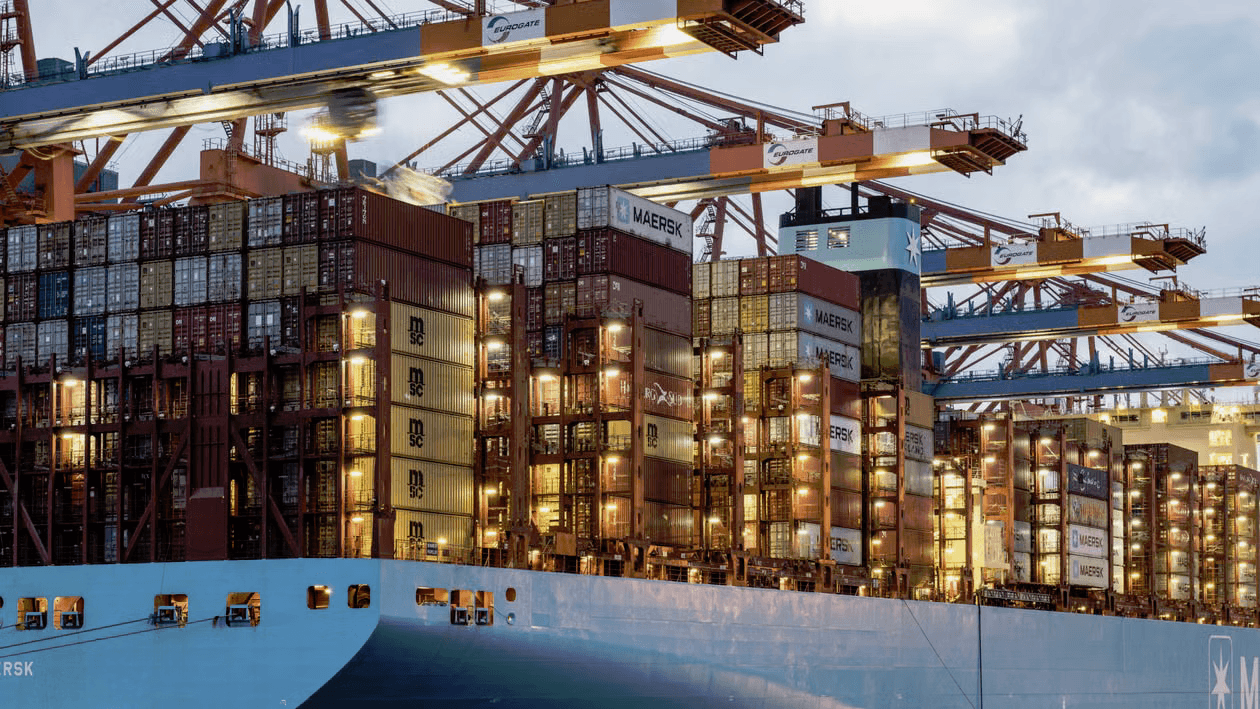
Port terminals and inland rail yards frequently become major bottlenecks that stall distribution schedules. One proven way to reduce these delays is by transferring freight between transportation modes at strategically located facilities near ports or rail hubs before continuing inland distribution. Warehouse transloading logistics services support this process by enabling cargo to be unloaded from ocean containers, consolidated or reconfigured as needed, and transferred efficiently into domestic trailers or railcars. This approach helps reduce dwell times, improve inventory flow, and keep freight moving through the supply chain.
Integrating rail transport into your shipping strategy offers a highly economical alternative to long-haul trucking over massive distances. Expert logistics providers facilitate these transfers seamlessly, ensuring that goods shift from bulk railcars to regional delivery trucks with minimal delay. Shippers often implement this strategy to achieve specific operational milestones:
- Consolidate multiple shipments into full truckloads or intermodal moves to maximize equipment utilization
- Transfer freight between ocean containers, railcars, and domestic trailers closer to major logistics hubs
- Store inventory temporarily near ports or regional distribution centers to respond more quickly to changing demand
This modal agility ensures that terminal disruptions do not bring your entire supply chain to a halt. When port labor delays or rail congestion threatens your timelines, having an alternative pathway preserves your customer relationships. Your operations remain steady despite external market pressures.
Streamlining Cargo Flow and Operational Costs
Managing transportation expenses requires constant evaluation of fuel consumption, driver availability, and equipment utilization, with smarter decisions often enabled by technology. Transloading provides a practical mechanism to optimize these variables by selecting the most efficient transport mode for each leg of the journey. Implementing this approach helps teams reduce their reliance on expensive long-haul trucking lanes.
By understanding the mechanics of cargo handoffs and modal optimization, companies can design more resilient logistics networks. This adaptability is particularly valuable during seasonal demand surges when capacity becomes scarce and expensive. Your business gains the ability to pivot shipping methods dynamically as market conditions fluctuate.
Furthermore, converting international shipping containers into domestic containers near the coast reduces overall drayage fees. This practice keeps specialized ocean equipment close to the ports, avoiding costly detention and demurrage charges from steamship lines. You save money while keeping container fleets where they are needed most.
Driving Long-Term Logistics Resilience
A modern supply chain requires constant adaptation to navigate fluctuating shipping rates and capacity constraints. Implementing agile transferring strategies ensures your freight bypasses regional bottlenecks and reaches its destination on time. This proactive approach to distribution minimizes delays and secures your market position.
Evaluating your current shipping routes, freight mix, and opportunities for transloading, intermodal transportation, and warehouse-based distribution can reveal immediate ways to improve efficiency and reduce transportation costs. Staying informed about evolving logistics strategies helps businesses build more resilient supply chains as freight networks continue to change.