
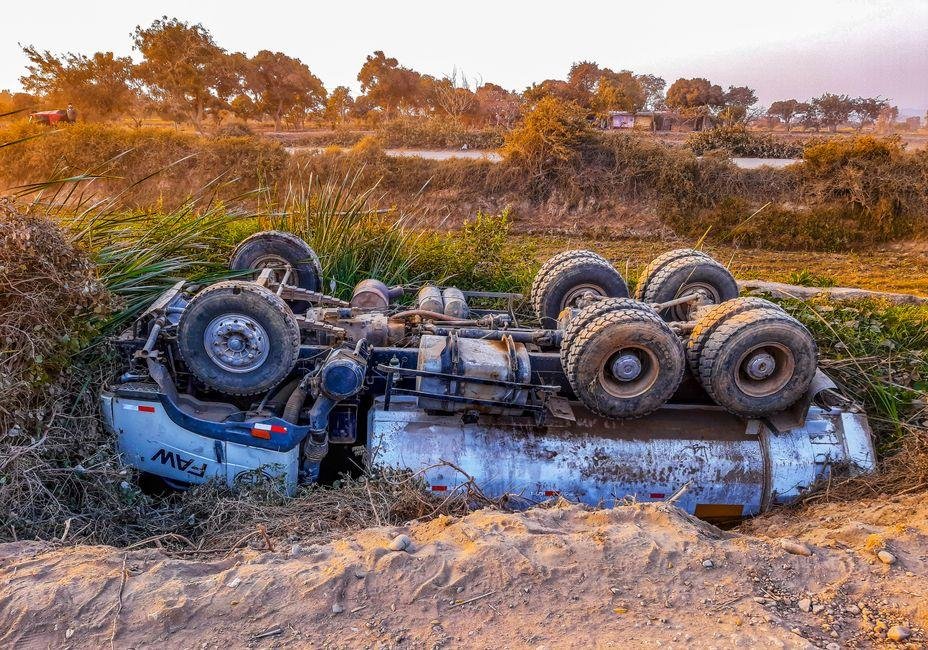
For drivers in Tampa, sharing the road with tractor-trailers, delivery trucks, construction vehicles, and other heavy commercial vehicles is part of everyday travel. The size difference matters when something goes wrong. A maneuver that causes a minor collision between two passenger cars can have much more serious consequences when a loaded truck is involved. Florida law also places commercial vehicles within a broader safety framework involving driver qualifications, operating hours, vehicle condition, and company responsibilities. Understanding those rules helps explain why a serious truck crash can become a far more complicated legal event than it first appears.
A Truck Crash Can Involve More Than One Responsible Party
An ordinary traffic collision often begins with a relatively direct question: which driver made the mistake? Commercial trucking can add several layers. The driver may work for a carrier, the vehicle may belong to another business, cargo may have been loaded by a separate company, and maintenance may be handled elsewhere.
That means determining responsibility can require examining more than what happened at the moment of impact. Employment relationships, maintenance records, loading practices, insurance policies, and company procedures may all become relevant.
If you’re seeking an experienced truck accident lawyer Tampa offers good options when those questions become difficult to sort out after a serious collision. Legal review can help identify potentially responsible parties and determine which records may matter.
The complexity comes from the commercial operation surrounding the truck, not simply its physical size.
Commercial Drivers Operate Under an Extra Layer of Rules
Florida traffic laws apply to commercial drivers, but heavy-vehicle operations can also be governed by specialized state and federal safety requirements. Florida law incorporates federal commercial motor vehicle rules for interstate operations and applies specified federal standards to many intrastate operations as well.
These requirements can address driver qualifications, hours of service, vehicle safety, recordkeeping, and other aspects of commercial transportation.
The distinction matters after an accident. A driver might have obeyed the posted speed limit while another issue—such as inadequate inspection, excessive driving time, or an unsafe vehicle condition—still requires examination.
Commercial compliance does not automatically determine liability, but records created under these rules can provide important information about how the vehicle and driver were being managed before a crash.
Stopping Distance Changes the Meaning of Following Too Closely
Heavy vehicles cannot maneuver exactly like passenger cars. Their mass affects how quickly they can slow, while road conditions, cargo weight, tires, brakes, and driver reaction can influence the distance required to stop safely.
That makes following distance especially important.
A truck traveling too close to traffic ahead may have fewer options when vehicles suddenly slow. Passenger-car drivers can create additional danger by cutting closely in front of a large truck and immediately braking.
After a rear-end or multi-vehicle collision, investigators may examine traffic conditions, vehicle positions, braking evidence, video, electronic data, and witness accounts to understand whether drivers left adequate room to respond.
Road safety around trucks depends partly on recognizing that the gap in front of a heavy vehicle may be necessary for safe braking.
Fatigue Can Turn Scheduling Into a Safety Issue
Commercial transportation runs on deadlines. Loads have delivery windows, customers expect shipments, and delays can ripple through a logistics operation.
Those pressures cannot override safe driving requirements.
Hours-of-service rules limit how long covered commercial drivers can drive or remain on duty before required rest. Florida also has specific provisions affecting certain intrastate commercial operations.
If fatigue is suspected after a crash, the investigation may extend beyond asking whether the driver felt tired. Logs, electronic records, dispatch messages, receipts, and scheduling information may help reconstruct how long the driver had been working.
This is one reason truck crashes can involve evidence that would rarely matter in an ordinary car accident. The driver’s decisions may need to be considered alongside the company’s scheduling and operational practices.
Maintenance Problems Can Shift Attention Away From the Driver
Not every truck collision begins with a driving error.
Brake problems, worn tires, defective lights, steering issues, coupling failures, or other mechanical conditions can contribute to an accident. When that happens, determining how the defect developed becomes important.
Maintenance records may show when the truck was inspected, what repairs were recommended, and whether previously reported problems were corrected. Driver inspection records can also help establish whether a defect was noticed before the vehicle continued operating.
A mechanical failure does not automatically prove that someone was negligent. Components can fail despite reasonable maintenance. The legal question may instead involve whether the problem should have been discovered or addressed earlier.
For commercial operators, consistent inspection and repair procedures therefore serve both a safety purpose and a documentation purpose.
Cargo Can Affect Stability, Braking, and Responsibility
A truck’s load changes the way the vehicle behaves.
Excessive weight can place additional demands on braking and handling. Poor weight distribution may affect stability, while unsecured cargo can shift during turns or emergency maneuvers. Freight that falls from a vehicle can create an entirely separate hazard for surrounding traffic.
Cargo issues can also complicate responsibility because the company driving the truck is not necessarily the company that loaded it.
When loading appears relevant to a collision, investigators may examine shipping records, weight information, photographs, securement equipment, and the roles of the businesses involved.
This makes proper loading more than a warehouse concern. Once the truck enters public roads, decisions made before departure can influence how safely the vehicle responds miles later.
Florida’s Fault Rules Can Affect an Injury Claim
Truck accidents can involve disputed responsibility. A truck driver may have made one mistake while another motorist’s actions also contributed to the collision.
Florida uses a modified comparative-fault system for negligence actions. A claimant’s compensation can be reduced according to the percentage of fault attributed to that person, and a party found more than 50 percent responsible for their own harm generally cannot recover damages under the statute, subject to specified exceptions.
That makes accurate evidence particularly important when several actions contributed to a crash.
Photographs, witness statements, electronic vehicle information, video footage, police documentation, and commercial records can help establish a clearer sequence of events.
Early assumptions about fault may not tell the entire story, especially when the operation of a commercial vehicle introduces additional evidence that is not immediately visible at the scene.
The Best Time to Understand Truck Safety Is Before a Crash
Heavy-vehicle law can sound like something only trucking companies and lawyers need to understand. In practice, the basic principles matter to everyone sharing Tampa roads.
Commercial carriers need qualified drivers, safe vehicles, sensible scheduling, appropriate loading procedures, and reliable records. Truck drivers need enough space and time to operate vehicles whose size limits how quickly they can respond. Passenger-car drivers benefit from avoiding blind spots, abrupt cut-ins, and other maneuvers that underestimate the limitations of heavy vehicles.
When a serious collision happens, those same details can become central to determining what went wrong. Investigators may need to look beyond the crash scene to hours-of-service records, maintenance histories, cargo information, electronic data, and company practices.
Florida’s commercial-vehicle framework reflects a simple reality: operating a heavy vehicle carries responsibilities that extend beyond ordinary driving. Understanding those responsibilities before an accident is far better than discovering their importance afterward.