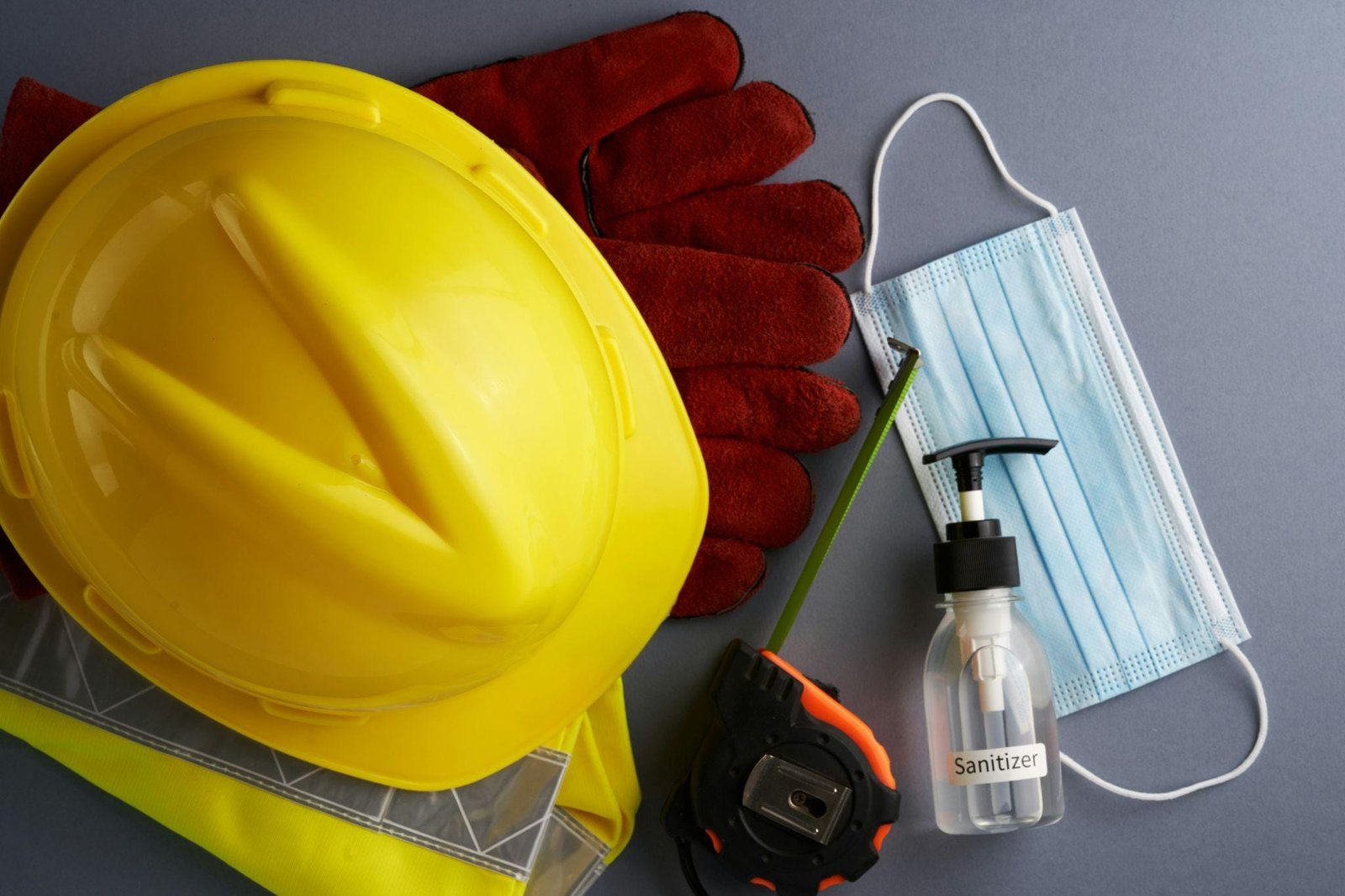
A box of disposable gloves by the door and a hard hat in the store do not make up a PPE plan. It is one’s appearance. A truly planned approach to protective equipment produces measurably different safety outcomes than a reactive, piecemeal collection of goods purchased in response to particular accidents or inspections; the distinction is crucial in practice. Branded hard hats and other obvious safety gear are parts of a cohesive system, and the system only works as intended when all of its components are applied, maintained, and defined with equal rigour.
What a Strategy Looks Like Versus What It Does Not
A reactive PPE approach purchases equipment when a hazard is identified, replaces items when they fail visibly, and applies compliance efforts when inspections are anticipated. A strategic approach begins with systematic hazard identification across all roles and work environments, maps the protection requirements for each identified hazard, specifies equipment that meets those requirements at the appropriate performance level, establishes maintenance and replacement schedules, and monitors compliance continuously rather than periodically. The difference in outcomes between these two approaches is not marginal. It is the difference between a safety record that improves over time and one that oscillates between incidents.
Hazard Mapping as the Foundation
Understanding what employees are actually exposed to throughout their entire range of jobs is the first step in any well-thought-out PPE strategy. This requires more granular analysis than a general site risk assessment typically provides. An employee working at a height in the same location has different risks than a worker on the ground. A coworker in the same facility who oversees mechanical equipment is subject to different safety regulations than a worker handling corrosive chemicals. The precise information needed for the right equipment selection is provided by mapping hazards at the role and job levels, rather than at the site level.
System Integration and the Gaps It Prevents
Individual PPE items are most effective when specified as components of an integrated protection system rather than as independent purchases. Head protection, eye protection, respiratory protection, hearing protection, hand protection, and foot protection address different hazard types but interact physically during use. Specifications that account for these interactions, ensuring that eye protection fits correctly alongside the hard hat being used or that glove selection does not compromise the grip required for the specific tools being operated, prevent the gaps that individually specified items create when their interaction has not been considered.
Branded Equipment and Its Dual Function
Beyond just being aesthetically pleasing, equipment with the company’s logo serves a purpose. Employees who wear branded hard hats and hi-vis attire are clearly recognised as company personnel, facilitating compliance monitoring and supervision on busy sites where several businesses may be operating concurrently. Additionally, branded equipment conveys to employees that the company has made a deliberate investment in their safety rather than opting for the least expensive compliance solution. This signal affects how employees view the equipment and, as a result, how frequently they utilise it. A branded program is both a cultural statement and an investment in compliance.
Maintenance, Inspection, and the Performance Lifecycle
Only when properly maintained throughout its service life can PPE perform to its rated specifications. Even if they did not cause any obvious damage, hard hats that have been impacted may have lost some of their protective qualities in ways that an exterior examination cannot see. Inadequate storage causes respiratory protection to lose its sealing properties. Cut-resistant gloves that have outlived their useful life no longer meet the standards for which they were bought. Instead of letting protection deteriorate covertly, a planned approach creates inspection procedures and replacement schedules that keep protection at the rated level.
Training as an Integral Strategy Component
When workers don’t know how to operate equipment appropriately, it doesn’t offer as much protection as it should. Hard helmets worn at improper angles, improperly fitted harnesses, and improperly donned respiratory protective equipment are examples of situations in which the equipment is present, but the protection is impaired. A PPE plan does not include training as an additional component. Without it, the equipment expenditure is rather wasted. The approach that allots funds for high-quality equipment while ignoring training has put the simpler component ahead of the more crucial one.
Contractor and Visitor Management
At locations where contractors, subcontractors, and visitors are frequently present, a PPE policy that covers only directly employed workers creates significant gaps. Everyone on a site under the major employer’s direction is subject to the legal requirements regarding PPE provision and enforcement. A strategic approach provides essential equipment to individuals who arrive without it, establishes defined minimum standards for all site users, communicates these requirements before arrival, and continuously enforces compliance regardless of employment status. There is a clear and exploitable flaw in a site’s safety culture if directly employed people maintain full compliance while contractors do not.
Measuring Strategy Effectiveness
It is impossible to improve a PPE approach that cannot be assessed. Tracking incident rates linked to insufficient protection, regularly monitoring compliance rates rather than relying on self-reporting, documenting near-miss incidents that expose gaps before they result in injuries, and routinely auditing equipment condition across the workforce are all necessary to measure effectiveness. The proof base for ongoing improvement that this data provides is a truly strategic approach. Companies that closely monitor safety results continuously enhance them. People who only take measurements when asked by outside parties improve only when they are under pressure from outside sources.