
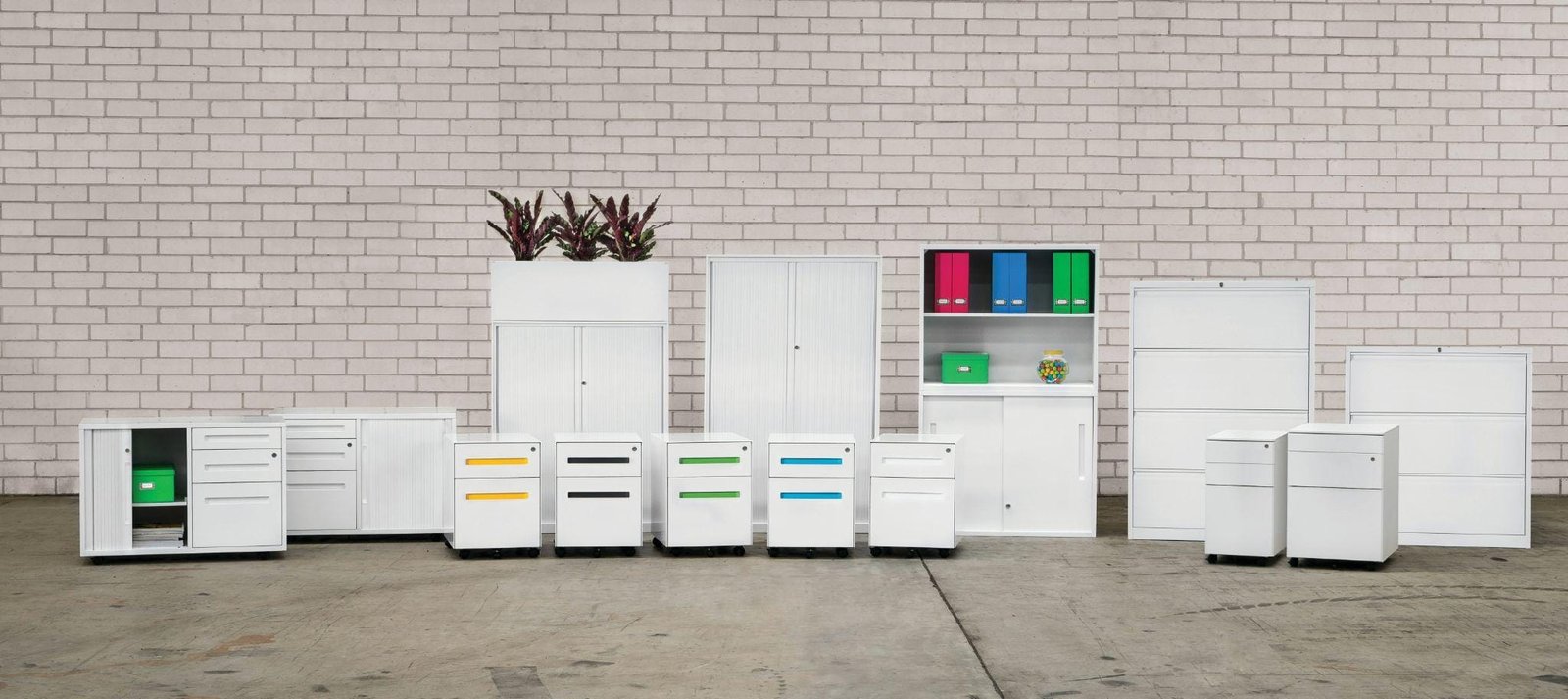
Office filing systems remain essential even as businesses digitise more of their records, since physical documents such as signed contracts, HR files and compliance paperwork often still need secure, organised physical storage. Modern filing systems have moved well beyond the traditional cabinet, using space-saving mobile shelving and compact designs that let more documents be stored in a smaller footprint while keeping retrieval fast. Randex is one of the suppliers offering this kind of automated and mobile office filing solution to UK businesses.
Why Physical Records Still Exist in a Digital Office
Many organisations assume that scanning documents removes the need for physical storage, yet legal and regulatory requirements in the UK often require original signed paperwork to be retained for a set number of years. Contracts, property deeds, medical records and certain HR files frequently fall into this category. Digitisation reduces day-to-day reliance on paper but rarely eliminates the underlying obligation to keep originals somewhere secure. This means most offices continue to need a dedicated storage solution for physical files, even alongside a fully digital workflow, and the volume involved can be larger than expected once several years of records accumulate.
The Space Problem With Traditional Filing Cabinets
Standard filing cabinets take up a fixed amount of floor space regardless of how full they are, which becomes increasingly inefficient as an organisation grows and its archive expands. Office rent is one of the highest fixed costs a business carries, and dedicating square footage to static storage furniture is rarely the best use of that space. Traditional cabinets also tend to be arranged with wide aisles to allow drawers to open, which multiplies the amount of floor area consumed relative to the actual volume of paper being stored. Over time, this inefficiency becomes harder to justify.
How Mobile Shelving Changes Office Storage
Mobile shelving systems mount storage units on tracks so that shelves can be compacted together and only opened along a single working aisle when needed. This design can significantly reduce the floor space required compared with static shelving holding the same volume of files, since permanent aisles between every unit are no longer necessary. For offices with limited room to expand, this kind of system allows archive storage to grow without needing to take over additional space elsewhere in the building. It also tends to keep files better organised, since everything remains within a single compacted structure rather than spread across several cabinets.
Balancing Accessibility With Security for Sensitive Files
Office filing systems need to strike a balance between quick staff access and appropriate security for sensitive material, particularly where personal data or financial records are involved. Lockable mobile shelving and filing units allow an organisation to restrict access to specific sections while still keeping day-to-day files easy to reach for authorised staff. This is particularly relevant given data protection obligations in the UK, where businesses are expected to demonstrate reasonable safeguards around how personal data is stored, including physical records. A well-designed filing system should make it straightforward to show which files are restricted and why.
Planning Office Storage Around Growth
A common mistake when choosing office storage is designing purely around current needs rather than anticipated growth. Businesses that expect to add staff, take on more clients, or expand their regulatory record-keeping should factor in additional capacity from the outset, since retrofitting a storage system later is often more disruptive and costly than planning. Modular filing and shelving systems, where extra units can be added to an existing structure, tend to suit businesses in this position better than fixed capacity furniture, since they allow storage to expand gradually alongside the organisation rather than requiring a full replacement.
What to Consider Before Upgrading an Office Filing System
Before upgrading office storage, it is worth auditing what is actually being kept, how often it is accessed, and how long retention obligations require it to stay on site. Some records may be eligible for offsite archiving or eventual destruction, which can reduce the amount of active storage capacity needed. It is also worth considering how the physical filing system will integrate with existing office layout and fire safety requirements, since compact and mobile systems have different footprint and access implications than static cabinets. Getting this assessment right before choosing a system tends to avoid costly reconfiguration later.
Making Room for What Comes Next
Office filing remains a practical necessity for most UK businesses, even where digital record-keeping is well established, and the space it occupies has a direct cost implication that is easy to overlook. Moving from static cabinets to mobile or compact shelving systems, such as those supplied by Randex, offers a way to retain necessary physical records without dedicating disproportionate office space to them. Businesses considering this kind of upgrade benefit from starting with a clear picture of what they need to store, how it should be secured, and how much room they expect to need in the years ahead.