
Event marketing is no longer a matter of being seen – it is a matter of being there. The most effective branded elements today are those that flow well in motion, rather than being nailed to a wall or stuffed in a swag bag. That’s why branded scarves have found a steady place at conferences, launches, and corporate gatherings. They can be worn, adjusted, and personalized. Pins, lanyards, custom scarves with logos – event organizers often weigh all of these in initial planning consultations, ultimately choosing those which integrate most comfortably into a well-worn outfit rather than a promotional add-on.
When done thoughtfully, the scarf is more than just a brand display—it is part of the experience. This is significant within environments where attendees are concerned about comfort and authenticity.

Role of Branded Scarves in Event Marketing
Scarves are a success because they exist where fashion and functionality meet. On one hand, they add warmth in cold environments, elegance in drab clothing, and move naturally with attendees throughout the day. Unlike rigid merchandise, scarves adapt to the person wearing them.
As far as event marketers are concerned, promotional scarves offer an edge over other advertising merchandise because of visibility without obtrusiveness. Guests feel “branded”; they feel styled. This enhances usage time, and thus enhanced visibility follows. A scarf used from check-in through closing remarks and taken home has a usage life beyond that of more traditional products.
Choosing the Right Branded Scarf for Your Event Goals
Selecting the scarf for the occasion requires understanding the event’s purpose and audience. For instance, a dynamic product launch, conducting a leadership gathering, or organizing a charitable event all require varied designs.
The key factors in the selection involve the type of material, its dimensions, and the colors included. The weight of the material is dependent on whether the occasion is held in an indoor or outdoor setting. Light fabrics work best in an indoor setup and can be worn throughout the year, while thick fabrics can be used outdoors or during winter. Finally, the colors used in the fabrics should promote the brand.
A common suggestion from Save Your Ink would be to consider the use of the scarf as opposed to the display of the logo. The item only succeeds if it fits in with the setting it will be found in, causing people to naturally adapt it to their use.
Creative Styling Techniques for Attendee Engagement
Styling is very important in terms of whether scarves will be worn confidently or left on chairs. Giving subtle signals will help the audience feel confident about trying on the scarves.
A few of these styling methods include:
- Using a simple knot for a polished, professional look
- Wearing scarves as wraps during seated sessions or panels
- Knitted scarves styled using neutral clothing combinations
These methods offer choices to the people in the audience without imposing uniformity on them. As humans, we enjoy the choices we have in wearing an outfit, and this feeling is what leads to engagement.
Enhancing Brand Exposure Through Styling Strategy
Brand exposure is not only a matter of size and position, it’s about repetition and context. With scarves, the aim is to create an area where the brand is visible from different angles and ranges without overshadowing the design.
This is where logo scarves shine. Repeating small brand elements or patterns allows the scarf to remain identifiable, whether it’s draped, knotted, or folded. This approach is also effective in photographs, especially at functions that ensure the brand reaches more people through sharing.
When promotional scarves are worn and styled properly, they become seamlessly integrated into discussions, group photos, and event follow-ups. The branding becomes unintentionally integrated, even though it’s providing an important service in the background.
Measuring Impact and Style Effectiveness
Measuring the impact of wearable branding requires a different mindset than tracking clicks or impressions. Scalability is definitely different for something like scarves that live in the physical and social world.
- Indicators of success often include:
- The number of people wearing the scarf during the event
- Presence of scarves in photographs and shared content
- Sightings following a meeting/conference
- Direct feedback on comfort, aesthetic, or utility
When scarves appear repeatedly after the initial event, this is a very good indication that said product has gone from ‘event merch’ into personal wardrobe territory.
Final Tips for Successful Branded Scarf Styling
A few practical details can significantly improve how scarves are received. Comfort, utility, and subtlety are probably more appreciated than flashiness.
Here are some useful suggestions:
- Selecting ventilated materials appropriate for different weather conditions.
- Steering clear of large logos that overshadow the design
- Maintaining branding clear yet understated
- Distributing scarves in a way that conveys a sense of celebration instead of just being transactional.
Brands that see scarves as essential to the event experience, rather than merely another checkbox, are those that attain the greatest levels of engagement and visibility.
In Conclusion
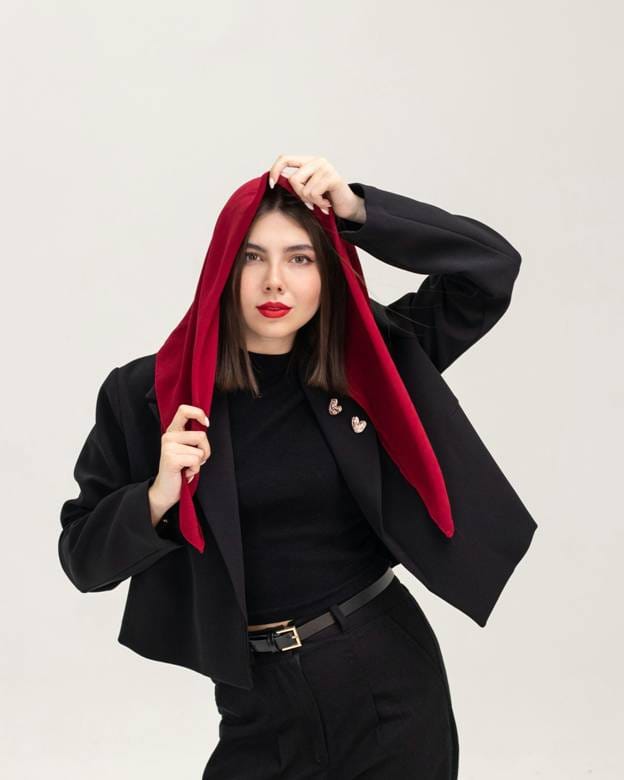
Branded scarves work at events because they can be easily incorporated into how individuals move about, dress, and socialize. With careful consideration of the manner in which they should be styled, they can be more than mere accessory items.
They can be points of contact that travel, appear in memories, and exist beyond an event. Their effectiveness can be found in subtlety.
What do you think? Have you attended a function where something wearable made it even better?