

Blind-box collecting has grown from niche hobby to mainstream phenomenon. Series like Pop Mart’s Labubu and Skullpanda now command dedicated followings. Collectors spend hundreds on rare figures. This growth has attracted counterfeiters who flood markets with convincing fakes.
The difference between authentic and counterfeit collectibles affects more than resale value. Original pieces feature quality materials and craftsmanship that knockoffs lack. Knowing verification methods protects both your investment and collecting experience. Retailers like cutiemalta in Malta have built reputations on authenticity guarantees. They also educate customers about verification methods.
Why Authenticity Determines Long-Term Value
Blind-box collectibles derive value from their official licensing and limited production runs. Companies like Pop Mart control manufacturing to maintain quality standards. Each authentic piece includes specific packaging details and certification cards. Material specifications also come with every genuine item.
Counterfeits bypass these controls entirely. Collectors report that fake figures often use inferior plastics. These materials yellow or crack over time. Paint applications appear uneven or bleed between sections. Weight differences become obvious when comparing authentic and counterfeit versions side by side.
Quality Differences You Can Feel
The tactile experience matters in blind-box collecting. Genuine figures feel solid and well-balanced. The plastic has a specific texture and weight. Joints move smoothly without sticking or feeling loose.
Fake figures often feel hollow or unusually light. The plastic may have a greasy or rough texture. Paint can rub off with minimal handling. These quality gaps affect your display and enjoyment.
How the Secondary Market Values Authenticity
The secondary market penalizes fake pieces harshly. Established collectors can spot counterfeits quickly. This makes resale nearly impossible. Authentication communities on social media actively expose sellers who misrepresent items. Your collection’s credibility depends on every piece passing verification standards.
Red Flags That Signal Counterfeits
Packaging provides the first verification checkpoint. Authentic blind boxes feature specific hologram placements and font weights. Color saturation levels follow exact specifications. Counterfeits often show blurry printing or incorrect color matching.
The box seals on genuine products use particular adhesive types. Counterfeiters rarely replicate these correctly. Price discrepancies offer obvious warning signals. If a retailer sells figures at 40-60% below market rates, question the sourcing.
Warning Signs in Pricing
Authentic blind boxes have established wholesale costs. This prevents extreme discounting. The Federal Trade Commission warns consumers about unusually low prices. These often indicate counterfeit goods across product categories. Legitimate sellers cannot maintain business with massive losses on every sale.
Missing Documentation
Official blind boxes include authentication cards and serial numbers. Some have QR codes for verification. Many manufacturers provide online portals where collectors can validate purchases. Sellers who cannot produce this documentation should be avoided. Their explanations don’t matter if they lack proof.
Verification Methods That Actually Work
Physical inspection reveals manufacturing quality differences. You need to know what to look for. The details separate real from fake.
Check the Manufacturing Quality
Authentic figures show clean mold lines. Minimal flash or excess plastic appears on genuine pieces. Paint applications remain within designated areas without bleeding. Joints fit securely without excessive looseness or resistance. Run your fingers along seam lines. Poor finishing marks counterfeit production.
Examine Packaging Details
Packaging authentication requires attention to specific details:
- Check hologram reflections at different angles for proper rainbow effects
- Examine font kerning and spacing on text elements
- Compare box weight to known authentic versions
- Look for printing quality on all surfaces
- Verify barcode placement and clarity
Counterfeits often use thinner cardboard. The United States Patent and Trademark Office provides resources about recognizing trademark violations. These apply to consumer products across all categories.
Use Digital Verification Tools
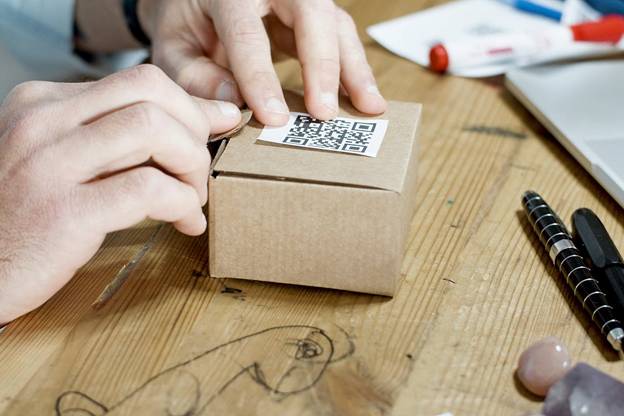
Many manufacturers now include QR codes. These link to authentication databases. Scan these codes before finalizing any purchase. Some retailers provide certificates of authenticity with traceable serial numbers. These systems create verification trails that counterfeits cannot replicate.
What Trustworthy Retailers Provide
Reliable sellers offer transparent sourcing information. They explain their supply chains without hesitation. Documentation for bulk purchases should be available. Ask potential retailers about their distributor relationships and import procedures.
Legitimate operations answer these questions readily. They have nothing to hide. Money-back authenticity guarantees separate serious retailers from questionable ones.
Guarantees That Matter
Stores confident in their sourcing will stand behind every sale. These guarantees should include specific terms. Return windows and refund processes need clear explanation. Read the fine print carefully. Understand what triggers the guarantee. Know what documentation you need for returns.
Education Programs Show Commitment
Customer education programs indicate retailer commitment to authenticity. Some stores provide detailed guides about verification methods. They teach customers how to spot counterfeits independently. This builds trust without demanding blind faith.
This approach builds community knowledge. It also protects the broader collecting market from fraudulent sellers. Educated buyers become advocates for authenticity.
Starting Your Collection With Confidence
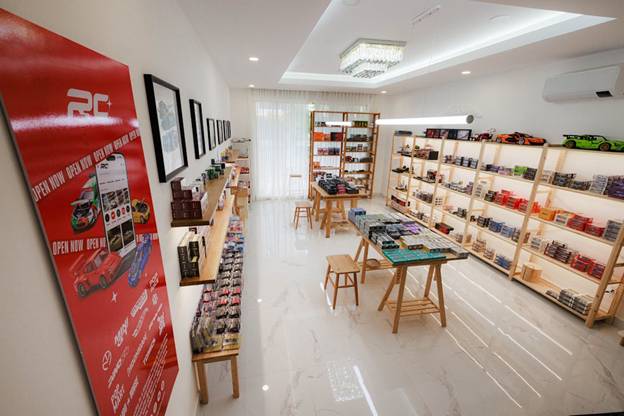
Authentication knowledge protects you from costly mistakes. New collectors often fall victim to convincing fakes. Start by purchasing from retailers with established reputations. Clear authenticity policies should be visible and detailed.
Join collector communities where members share verification tips. These groups discuss seller experiences openly. They often maintain lists of trusted and problematic retailers. This shared knowledge helps everyone avoid scams.
Document Everything
Take photos of packaging, authentication cards, and the figures themselves. This documentation proves authenticity if you later sell pieces. Keep receipts and any certificates provided at purchase. These records become increasingly valuable as your collection grows. Digital photos with timestamps work best for proof.
Build Retailer Relationships
Form relationships with retailers who prioritize education over quick sales. Stores that teach verification methods demonstrate confidence in their products. They understand that informed collectors become loyal customers. These customers return for future releases.
Your collecting success depends on these partnerships. Work with sellers who value authenticity as much as you do. They protect your investment and your enjoyment of the hobby.