`
The future of work is not just remote, hybrid, or AI-enabled. It is modular.
Across industries, leaders are moving away from rigid hierarchies and fixed systems. In their place, they are building flexible teams, adaptable processes, and environments that can shift as quickly as strategy demands. Agile has evolved from a project management framework into a leadership mindset.
Yet many organizations overlook one crucial factor in this transformation: space.
Physical environments shape how people think, collaborate, and respond to change. Adaptive spaces mirror modular leadership. They allow teams to reconfigure, refocus, and reinvent without friction. For agile leaders, there is much to learn from this spatial philosophy, and companies like Soulfa are helping translate that thinking into practical reality.
What “Modular” Really Means in the Future of Work
When we talk about modularity, we often think of software or product design. Modular systems are made up of independent parts that can be rearranged or replaced without dismantling the whole. They reduce friction and increase speed.
In the context of work, modularity shows up in:
- Cross-functional squads that form and dissolve as projects evolve
- Hybrid schedules that adapt to business cycles
- Distributed talent pools that scale up or down
- Workspace designs that support different modes of thinking
Research from McKinsey and Deloitte has consistently highlighted the link between adaptability and performance. Organizations that respond quickly to change outperform those built around static structures. Agility is not simply about moving faster. It is about designing systems that are built to move.
Adaptive Spaces Shape Adaptive Thinking
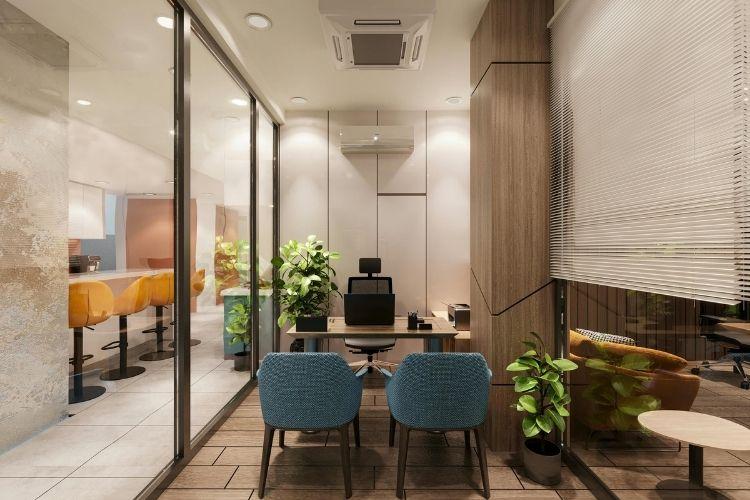
There is a growing body of research in environmental psychology showing that physical environments influence cognition, stress levels, and collaboration. Open layouts encourage interaction but can hinder deep focus. Fixed layouts signal permanence. Flexible layouts signal possibility.
In a modular space:
- Furniture can be reconfigured for workshops, quiet work, or social collaboration
- Teams can claim and reshape space according to the project at hand
- Work modes (focused, collaborative, and restorative) are intentionally supported
This approach aligns with the shift toward activity-based working. Instead of assigning desks by hierarchy or permanence, organizations create zones based on task requirements.
For agile leaders, this is more than a facilities decision. It is cultural. A rigid space often reflects rigid thinking. A flexible space reinforces experimentation and iteration.
Soulfa and the Rise of Modular Environments
Few brands understand this intersection between design and agility as well as Soulfa. While many furniture companies focus on aesthetics alone, Soulfa has positioned modular design as a strategic enabler of modern work and living.
Their modular sofa collections are built around adaptability rather than static form. Through thoughtfully engineered systems, users can reshape their environment as needs evolve.
What makes this relevant to leaders?
Because the line between workspace and living space continues to blur. Hybrid professionals move between home offices, collaborative hubs, and creative studios. Entrepreneurs host strategy sessions in their living rooms. Consultants turn apartments into flexible work zones.
Modular furniture supports this fluidity. A sectional can transform from a solo focus nook into a team brainstorming setup. Pieces can expand when teams grow or contract when priorities shift.
This flexibility reflects the same principles that guide agile organizations:
- Start with a core structure
- Add or remove components as needed
- Avoid costly reinvention
- Build for change, not permanence
Soulfa’s approach demonstrates that modularity is not a trend. It is a structural response to modern life.
What Agile Leaders Can Learn from Modular Design
1. Design for Change, Not Control
Traditional leadership models often aim to reduce uncertainty. Agile leadership accepts uncertainty and builds systems that absorb it.
Modular design operates the same way. Instead of locking into one configuration, it anticipates change. Leaders can apply this mindset by:
- Creating flexible team structures
- Investing in multi-skilled talent
- Avoiding processes that are too rigid to evolve
When environments and systems are built for adaptation, change becomes less disruptive.
2. Empower People to Reconfigure Their Environment
One overlooked aspect of engagement is autonomy over space. When individuals can shape their surroundings, they often feel more ownership over their work.
Adaptive spaces allow teams to rearrange furniture, choose collaboration zones, or shift layouts depending on goals. This physical autonomy mirrors psychological autonomy.
Agile leaders who empower teams to structure their own workflows see similar benefits: higher accountability, faster feedback cycles, and stronger collaboration.
3. Reduce Friction in Transitions
In modular systems, transitions are simple. You do not demolish the structure to adjust. You swap, shift, or add a component.
Organizations often struggle because transitions are heavy. New initiatives require complete restructuring. Growth demands large capital investments. Downsizing creates waste.
A modular approach minimizes these extremes. The same principle applies to space. Soulfa’s modular systems allow growth without replacement. That reduces financial risk and environmental waste.
For leaders concerned with sustainability, this is significant. Adaptive environments align with circular design principles and responsible consumption.
4. Signal Culture Through Design
Spaces communicate values. A fixed executive office behind closed doors sends one message. An adaptable collaboration area sends another.
As remote work reshapes expectations, culture is increasingly defined by experience rather than policy. Leaders who align spatial design with cultural intent create consistency.
If your culture promotes experimentation, your environment should not feel permanent and immovable. If you value collaboration, your layout should make it easy.
Modular spaces act as a physical expression of agile culture.
Modularity and Organizational Resilience
Resilience is the defining leadership trait of this decade. The ability to absorb shocks (economic shifts, technological disruption, talent mobility) separates sustainable organizations from fragile ones.
Modularity contributes directly to resilience:
- It spreads risk across flexible components
- It reduces dependency on single structures
- It allows rapid iteration
The same is true in spatial design. A modular environment can pivot quickly when circumstances change. It supports temporary expansions, collaborative intensives, or quiet focus periods without large-scale redesign.
Agile leaders should see this not as an aesthetic choice, but as a strategic lever.
Soulfa’s modular approach illustrates how design can embody this philosophy in tangible ways. It bridges the gap between abstract leadership theory and lived experience.
When teams operate in environments that support movement and reconfiguration, agility feels natural rather than forced.
Conclusion
The future of work is shaped by a fundamental shift toward modularity in teams, processes, and environments.
Agile leaders who understand this will move beyond frameworks and embrace design as strategy. They will recognize that physical space influences culture, adaptability, and resilience.
Adaptive environments teach a simple but powerful lesson: build systems that expect change.
Through modular design, companies like Soulfa demonstrate how flexibility can be embedded into everyday life. Their approach reflects a broader movement toward environments that evolve alongside the people who use them.
In a world where certainty is scarce, modular thinking offers stability through adaptability. And for leaders shaping the future of work, that may be the most practical insight of all.
References
- McKinsey & Company. The Organization of the Future: Enabled by Gen AI, Driven by People.
- Deloitte. Global Human Capital Trends Report.
- Harvard Business Review. Research on activity-based working and workplace flexibility.
- Steelcase Global Report. Workplace Research on Hybrid and Adaptive Workspaces.