Car Accident Litigation: Navigating the Process After a Collision
Every year, over 6 million car accidents occur across the United States, and while most resolve through insurance claims, roughly 10% escalate to formal litigation—representing hundreds of thousands of lawsuits that reshape both individual lives and legal precedent. According to the Insurance Information Institute’s 2024 analysis, the average settlement value in litigated cases exceeds non-litigated claims by 340%, yet most drivers have little understanding of what litigation actually entails until they’re thrust into it.
This knowledge gap has real consequences. With legal costs averaging $40,000-$100,000 for contested cases and timelines stretching 18-36 months, the decision to pursue litigation versus settlement isn’t just legal—it’s financial and personal. Modern accident cases also involve increasingly complex factors: rideshare liability, autonomous vehicle systems, and sophisticated insurance company defense strategies that didn’t exist a decade ago—making litigation for car accidents more technical, evidence-driven, and strategically demanding than many drivers expect.
Whether you’re dealing with severe injuries, disputed fault, or inadequate insurance coverage, understanding the litigation landscape helps you make informed decisions about your case. Here’s what recent legal data and industry practitioners reveal about navigating car accident litigation in today’s environment.
What Is Car Accident Litigation?
Car accident litigation is the formal legal process where accident-related disputes are resolved through the court system rather than through direct insurance negotiations or informal settlements. While the term “litigation” often conjures images of dramatic courtroom scenes, the reality encompasses everything from initial lawsuit filing through potential trial and appeals—though most cases never reach an actual courtroom.
The process begins when traditional insurance claim resolution fails to address the damages or when fault determination becomes contentious. Personal injury attorneys typically initiate litigation by filing a complaint that formally outlines the plaintiff’s claims against the defendant, establishing the legal framework for the entire case.
What distinguishes litigation from standard insurance claims is the involvement of the judicial system as the ultimate arbiter. Instead of insurance adjusters determining fault and damages based on policy limits and internal guidelines, litigation allows for comprehensive fact-finding, expert testimony, and legal arguments that can result in compensation far exceeding standard insurance payouts.
Consider a scenario where a driver suffers permanent disability from an accident caused by someone texting while driving. The at-fault driver’s insurance might offer $50,000—their policy limit—while medical bills alone exceed $200,000. Litigation becomes the mechanism to pursue the full scope of damages, including future medical costs, lost earning capacity, and pain and suffering that insurance settlements rarely address adequately.
The litigation process also provides legal discovery tools unavailable in insurance negotiations: subpoena power to obtain phone records, expert accident reconstruction, and depositions under oath. These capabilities often uncover evidence that fundamentally changes case value and liability determination.
Modern car accident litigation increasingly involves complex liability scenarios that traditional insurance frameworks struggle to address effectively, setting the stage for understanding the various types of cases that enter the legal system.
Types of Car Accident Litigation Cases
Car accident litigation cases fall into distinct categories, each presenting unique legal challenges and requiring different strategic approaches. Understanding these distinctions helps clarify why some accidents result in quick settlements while others become lengthy legal battles.
Personal injury lawsuits represent the most common type, focusing on physical harm and related damages. These cases range from soft tissue injuries with disputed severity to catastrophic injuries involving permanent disability or death. The complexity often correlates with injury severity—a herniated disc case might resolve relatively quickly, while traumatic brain injury litigation can span years due to evolving medical understanding and long-term care projections.
Property damage disputes typically arise when insurance coverage proves insufficient for vehicle replacement or repair costs, particularly with luxury vehicles or when total loss values are contested. While these cases seem straightforward, they can become complex when vintage cars, custom modifications, or diminished value claims are involved.
Wrongful death litigation presents the most emotionally and legally complex scenario, requiring calculation of lifetime earning potential, loss of companionship, and other intangible damages. These cases often involve multiple family members as plaintiffs and can take 2-4 years to resolve due to their complexity and high stakes.
Product liability cases emerge when vehicle defects contribute to accident severity—faulty airbags, brake failures, or inadequate crash protection. These cases often involve manufacturer defendants alongside individual drivers, creating complex multi-party litigation with significant discovery requirements.
Commercial vehicle accidents introduce additional complexity through corporate liability, federal regulations, and often multiple insurance policies. When a passenger vehicle collides with a commercial truck, the litigation might involve the driver, trucking company, cargo loader, and vehicle manufacturer depending on the circumstances.
The distinction between these case types isn’t merely academic—it determines everything from available damages to discovery scope to trial timeline. A straightforward rear-end collision with clear liability might settle within months, while a multi-vehicle accident involving commercial vehicles and disputed fault could require years of litigation.
Understanding case types also helps explain why legal representation becomes crucial, as each category requires specialized knowledge of relevant law, typical defense strategies, and appropriate damages calculations.
What Are the Key Steps in Car Accident Litigation?
The car accident litigation process follows a structured sequence designed to gather facts, clarify legal positions, and either reach settlement or proceed to trial. While each case presents unique circumstances, the fundamental steps remain consistent across jurisdictions.
Initial case evaluation and filing begins when an attorney determines that litigation offers better prospects than insurance negotiation. This involves analyzing medical records, police reports, and damages to assess case viability. The formal complaint must be filed within the statute of limitations—typically 2-3 years from the accident date, though this varies by state.
The discovery phase represents the most time-intensive portion of litigation, often lasting 12-18 months. During discovery, both sides exchange relevant documents, conduct depositions of witnesses and parties, and may retain expert witnesses for accident reconstruction or medical testimony. Plaintiff attorneys use this phase to build their case comprehensively, while defense attorneys seek evidence to minimize liability or damages.
Interrogatories and document requests allow each side to obtain information under oath. Plaintiffs might request defendant’s driving records, cell phone usage at the time of accident, or vehicle maintenance records. Defendants typically seek plaintiff’s complete medical history, employment records, and evidence of pre-existing conditions that might affect damages.
Depositions involve sworn testimony given outside of court, allowing attorneys to question witnesses, parties, and experts under oath. These sessions, typically lasting 4-8 hours, often prove pivotal in case resolution. Many cases settle shortly after key depositions when parties gain realistic understanding of testimony strength.
Pre-trial motions address legal issues before trial, such as excluding certain evidence or seeking summary judgment when facts aren’t disputed. These motions can dramatically affect case trajectory—a successful motion excluding key evidence might prompt settlement negotiations.
Mediation or arbitration often occurs before trial as a final settlement attempt. Many courts require mediation, where a neutral third party facilitates negotiations. Success rates exceed 70% for cases reaching mediation, as both sides can assess their positions realistically after discovery completion.
If settlement negotiations fail, the case proceeds to trial preparation and trial, involving jury selection, opening statements, witness examination, and closing arguments. Even at this stage, many cases settle during trial as parties react to jury responses and evidence presentation.
The structured nature of this process explains why litigation timelines are predictable yet lengthy, leading to questions about typical duration expectations.
What Is the Typical Timeline and Duration for Car Accident Lawsuits?
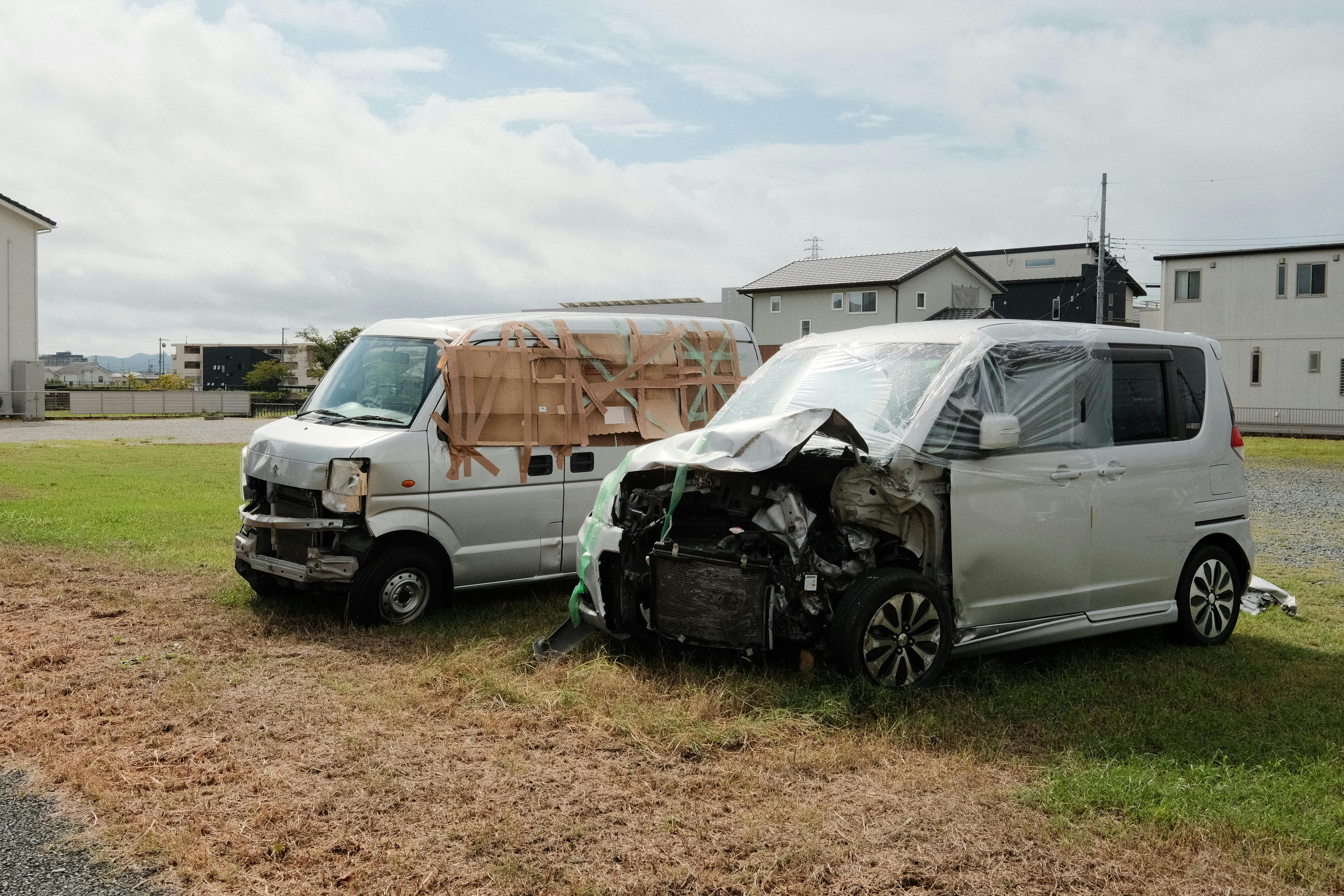
Car accident litigation timelines vary significantly based on case complexity, court schedules, and parties’ willingness to negotiate, but understanding typical ranges helps set realistic expectations for what often becomes a lengthy process.
Simple cases with clear liability and straightforward injuries typically resolve within 12-18 months from filing. These might involve rear-end collisions with well-documented injuries and adequate insurance coverage. Even “simple” cases require 6-9 months for discovery completion and several additional months for settlement negotiations.
Complex cases involving disputed fault, severe injuries, or multiple parties frequently require 24-36 months or longer. Cases involving traumatic brain injuries, spinal cord damage, or other catastrophic injuries often extend beyond three years as medical conditions stabilize and long-term care needs become apparent.
Several factors significantly influence timeline duration. Court congestion varies dramatically by jurisdiction—metropolitan areas like Los Angeles or New York might have 18-month delays before trial dates, while smaller jurisdictions could schedule trials within 8-12 months. The COVID-19 pandemic created additional backlogs that many courts are still addressing in 2024.
Medical treatment completion often determines case progression pace. Attorneys typically avoid settling before reaching maximum medical improvement—the point where additional recovery is unlikely. For serious injuries, this milestone might not occur for 12-24 months post-accident, effectively setting a minimum timeline regardless of other factors.
Discovery complexity substantially affects duration. Cases requiring accident reconstruction experts, multiple medical examinations, or extensive document review naturally take longer. When litigation involves commercial vehicles, product liability claims, or multiple defendants, discovery phases can extend 18-24 months alone.
Settlement negotiations can occur at any stage but often intensify after discovery completion. According to the American Bar Association’s 2024 litigation survey, 68% of car accident cases settle during the final six months before scheduled trial dates, as both sides gain complete information about case strengths and weaknesses.
Statutory deadlines create time pressure that can accelerate resolution. Most states require cases to proceed to trial within 2-5 years of filing, though extensions are common for complex cases. These deadlines often prompt serious settlement discussions as trial dates approach.
Understanding these timelines helps explain why legal representation and procedural knowledge become crucial for navigating the system effectively.
What Are Common Procedures and Lawyer Roles During Litigation?
The litigation process involves numerous specialized procedures that require legal expertise to navigate effectively, with attorneys serving distinct roles that extend far beyond courtroom advocacy.
Case investigation and evidence preservation represents the foundation of effective representation. Experienced attorneys immediately secure accident scene photographs, witness statements, and vehicle damage documentation before evidence disappears or memories fade. They also issue litigation holds to preserve relevant electronic data, including cell phone records, GPS data, and electronic control module information from vehicles.
Medical documentation and expert coordination requires attorneys to work closely with treating physicians to ensure comprehensive documentation of injuries and treatment. This often involves organizing independent medical examinations, coordinating with medical specialists, and retaining medical experts who can explain complex injuries to juries in understandable terms.
During the discovery phase, attorneys manage extensive document exchanges, prepare clients for depositions, and conduct questioning of opposing parties and witnesses. Effective deposition strategies often determine case outcomes—skilled attorneys use these sessions not just to gather information but to assess witness credibility and pin down testimony that might prove crucial at trial.
Settlement negotiations represent a critical attorney function that occurs throughout the litigation process. Experienced personal injury attorneys understand insurance company negotiation patterns, typical settlement ranges for similar injuries, and how to present cases in ways that maximize settlement value. They also know when to recommend settlement versus trial based on case strength and client circumstances.
Trial preparation involves witness preparation, exhibit organization, and development of compelling narratives that help juries understand complex accident scenarios. This includes working with accident reconstruction experts, preparing demonstrative evidence, and crafting opening and closing arguments that effectively advocate for clients.
Insurance company coordination requires attorneys to navigate complex relationships with both plaintiff’s and defendant’s insurance carriers. This includes understanding policy limits, bad faith obligations, and how insurance coverage affects litigation strategy. Many clients don’t realize that their own insurance policies might provide additional coverage through underinsured motorist provisions.
Client communication and counseling extends beyond legal advice to helping clients understand medical treatment options, financial implications of various settlement offers, and realistic outcome expectations. Attorneys often coordinate with financial advisors, medical case managers, and other professionals to ensure comprehensive client support.
The procedural complexity explains why self-representation in serious car accident cases proves challenging, even for educated individuals. Legal procedures that seem straightforward often contain nuances that significantly affect case outcomes.
Effective legal representation becomes particularly important when considering strategic approaches that influence litigation success rates.
What Strategies Help Achieve Successful Outcomes in Car Accident Litigation?
Successful car accident litigation requires strategic thinking that begins long before filing and continues through resolution, with experienced attorneys employing proven approaches that significantly influence case outcomes.
Early case development focuses on comprehensive evidence preservation and rapid investigation. The most successful cases typically involve immediate accident scene documentation, prompt witness interviews before memories fade, and preservation of all relevant physical evidence. Attorneys who respond quickly often uncover critical evidence that disappears within days or weeks of accidents.
Medical treatment strategy plays a crucial role in case value maximization. This involves ensuring appropriate diagnostic testing, specialist referrals when needed, and comprehensive documentation of all injury-related impacts. Successful attorneys guide clients toward treatment providers experienced in documenting injuries for litigation purposes while ensuring genuine medical needs are met.
Expert witness utilization can dramatically affect case outcomes, particularly in complex liability scenarios. Accident reconstruction experts help demonstrate how accidents occurred and identify contributing factors. Medical experts explain injury mechanisms and long-term consequences. Economic experts calculate lifetime earning capacity losses for serious injuries. The key lies in selecting experts with strong credentials and effective communication skills.
Discovery strategy involves more than routine information exchange. Successful attorneys use discovery to uncover evidence that opposing parties prefer to keep hidden—cell phone records showing texting while driving, employer records revealing pressured delivery schedules, or maintenance records indicating vehicle defects. Strategic discovery often provides the breakthrough evidence that transforms case value.
Settlement timing and negotiation approach requires balancing multiple factors. Premature settlement negotiations can undervalue cases, while delayed negotiations might miss opportunities for favorable resolution. Experienced attorneys understand when insurance companies are most motivated to settle and how to structure negotiations that maximize client outcomes.
Trial readiness paradoxically improves settlement prospects. Insurance companies settle more favorably with attorneys they know are prepared to try cases effectively. This requires comprehensive trial preparation even in cases likely to settle, including witness preparation, exhibit development, and case presentation strategy.
Damages presentation involves more than medical bills and lost wages. Successful cases comprehensively document pain and suffering, lifestyle impacts, relationship effects, and future consequences. This often requires innovative approaches—day-in-the-life videos, family impact testimony, and vocational rehabilitation assessments that help juries understand accident consequences.
Insurance coverage analysis can uncover additional compensation sources that many attorneys miss. This includes reviewing underinsured motorist coverage, umbrella policies, and potential third-party liability sources. Comprehensive coverage analysis sometimes doubles or triples available compensation.
Understanding these strategic elements helps explain why litigation outcomes can vary dramatically even for similar accidents, and why legal representation becomes crucial for serious cases.
How Does Car Accident Litigation Differ Between Civil and Criminal Cases?
The distinction between civil and criminal car accident litigation creates separate legal processes with different objectives, standards of proof, and potential outcomes that can run simultaneously but serve entirely different purposes.
Criminal cases focus on punishment and public safety, initiated by government prosecutors when accidents involve potentially criminal behavior—drunk driving, reckless driving, or vehicular homicide. The government acts as the plaintiff, seeking fines, imprisonment, license suspension, or other penalties designed to punish wrongdoing and deter similar behavior. Criminal cases require proof “beyond a reasonable doubt,” the highest legal standard.
Civil litigation centers on compensation and damage recovery, with accident victims or their families serving as plaintiffs seeking financial remediation for their losses. Civil cases require proof by “preponderance of the evidence”—essentially more likely than not—a significantly lower standard than criminal prosecution requires.
These different standards create situations where criminal and civil cases involving the same accident can reach different conclusions. A defendant might be acquitted of criminal charges while still being held liable in civil court. The O.J. Simpson cases famously illustrated this principle, though it applies equally to car accident scenarios.
Procedural differences are substantial. Criminal cases follow strict constitutional protections including the right to remain silent, right to counsel, and protection against double jeopardy. Defendants cannot be compelled to testify against themselves. Civil cases allow broader discovery, including depositions where defendants must answer questions under oath about the accident circumstances.
Evidence standards vary significantly between systems. Criminal cases often exclude evidence that civil courts readily admit. Statements made during plea negotiations are inadmissible in criminal proceedings but might be discoverable in civil litigation. Police reports, while helpful in civil cases, carry less weight in criminal proceedings where direct testimony is preferred.
Timeline coordination becomes crucial when both cases proceed simultaneously. Criminal cases typically resolve faster than civil litigation, and civil attorneys often wait for criminal resolution before proceeding aggressively. A criminal conviction provides powerful evidence in civil proceedings, while an acquittal doesn’t necessarily weaken civil cases due to different evidence standards.
Insurance implications differ markedly between case types. Most auto insurance policies exclude coverage for intentional criminal acts, meaning criminal convictions can affect insurance company defense obligations in civil cases. This creates complex scenarios where insurance companies might initially defend civil cases but withdraw coverage if criminal convictions occur.
Practical considerations for accident victims include understanding that criminal prosecution doesn’t guarantee civil compensation, and civil liability doesn’t require criminal conviction. Victims might recover damages even when prosecutors decline criminal charges, or when criminal cases result in acquittals.
The complexity of dual proceedings underscores why legal representation becomes essential for serious accidents, particularly when criminal charges are potential outcomes.
How Does Car Accident Litigation Impact Insurance and Policy Changes?
Car accident litigation creates ripple effects throughout the insurance industry that influence policy terms, premium calculations, and coverage availability in ways that extend far beyond individual case resolution.
Premium impact on all parties involved follows predictable patterns but varies significantly based on case outcomes and individual insurance company policies. At-fault drivers typically face substantial premium increases—often 20-40% annually for 3-5 years following significant litigation. However, the increase magnitude often correlates more with settlement or judgment amounts than with litigation existence alone.
Policy limit considerations become crucial during litigation, as standard coverage amounts often prove inadequate for serious injury cases. The Insurance Research Council’s 2024 data shows that 60% of litigated car accident cases involve damages exceeding defendant policy limits, creating potential personal asset exposure for at-fault parties. This reality drives increasing umbrella policy sales and higher liability limit purchases.
Insurance company defense strategies evolve continuously in response to litigation trends. Insurers increasingly invest in accident reconstruction technology, fraud detection systems, and predictive analytics to identify high-risk claims early. They also develop litigation management protocols designed to control defense costs while maintaining aggressive defense postures in questionable cases.
Coverage exclusions and modifications reflect insurance company responses to litigation patterns. Policies increasingly include specific language addressing rideshare activities, commercial vehicle usage, and technology-related distractions. Some insurers now offer specialized coverage for autonomous vehicle features, reflecting technological evolution in accident causation.
Claims handling practices change in response to litigation outcomes and regulatory pressure. Insurance companies face bad faith liability when they unreasonably refuse settlement within policy limits, leading to more sophisticated claim evaluation processes. The threat of excess judgment liability often motivates settlement negotiations even in disputed cases.
Underwriting criteria incorporate litigation risk assessment in ways that affect policy availability and pricing. Applicants with litigation history, certain occupations, or high-risk driving patterns face increased scrutiny. Some insurers use credit scores, vehicle choices, and demographic factors as proxies for litigation risk assessment.
Market-wide effects include overall premium increases in litigation-heavy jurisdictions and coverage availability restrictions in high-risk areas. States with plaintiff-friendly legal environments often experience higher overall insurance costs, reflecting increased litigation frequency and severity.
Industry innovation in response to litigation includes telematics programs that monitor driving behavior, usage-based insurance models, and advanced claims processing technology designed to resolve cases more efficiently. Insurance companies increasingly invest in digital tools that streamline claim processing and reduce litigation necessity.
Regulatory responses to insurance-litigation interactions include state-level reforms addressing attorney fee structures, medical payment protocols, and no-fault insurance requirements. These regulatory changes often reflect legislative attempts to balance accident victim protection with insurance cost control.
Understanding these insurance dynamics helps explain why litigation decisions have consequences extending beyond individual case resolution, affecting long-term insurance relationships and market availability.
What Do Research and Recent Trends Show About Car Accident Litigation?
Current research and emerging trends in car accident litigation reveal significant shifts in case patterns, resolution methods, and outcome values that reflect broader changes in technology, legal practice, and societal attitudes toward accident responsibility.
Settlement values and verdict trends show notable increases over the past five years, according to the American Bar Association’s 2024 Litigation Survey. Average settlement amounts for serious injury cases increased 23% between 2019 and 2024, while jury verdicts in tried cases grew 31% during the same period. This trend reflects inflation effects, increased medical costs, and growing jury willingness to award substantial damages for pain and suffering.
Technology’s impact on litigation proves increasingly significant as vehicle data, smartphone records, and surveillance footage become standard evidence sources. The National Highway Traffic Safety Administration reports that electronic data from vehicles now plays a role in over 40% of litigated cases, providing unprecedented insight into pre-crash behavior, vehicle speeds, and collision dynamics.
Alternative dispute resolution adoption shows steady growth, with mediation now occurring in 78% of car accident cases that proceed beyond initial settlement discussions. Court-mandated mediation programs report 72% success rates, reflecting both system efficiency goals and parties’ growing comfort with non-trial resolution methods.
Legal technology integration transforms practice efficiency through AI-powered document review, predictive case outcome modeling, and automated medical record analysis. Large personal injury firms increasingly use technology platforms that can analyze thousands of similar cases to predict settlement ranges and identify optimal litigation strategies.
Changing injury patterns reflect evolving vehicle safety technology and usage patterns. While overall accident fatalities decline due to improved vehicle safety systems, litigation increasingly involves complex cases where advanced safety features either failed to prevent accidents or created new liability questions. Autonomous and semi-autonomous vehicle features introduce novel legal questions about manufacturer versus driver responsibility.
Insurance company adaptation includes sophisticated fraud detection systems, predictive analytics for early case evaluation, and streamlined settlement processes designed to resolve cases efficiently. Industry data shows insurance companies now settle 15% more cases pre-litigation compared to five years ago, reflecting improved early evaluation capabilities.
Demographic and geographic trends reveal litigation patterns that vary significantly by region and age group. Younger drivers show increased willingness to pursue litigation, while certain geographic areas maintain consistently higher litigation rates due to local legal cultures and attorney advertising patterns.
Emerging legal issues include questions about rideshare liability, delivery driver accidents during pandemic-driven e-commerce growth, and complex multi-party accidents involving commercial vehicles. These trends suggest future litigation will involve increasingly complex liability determination and insurance coverage analysis.
Regulatory developments across various states address attorney advertising restrictions, medical payment protocols, and no-fault insurance modifications. Florida’s recent legal reforms limiting attorney fees and modifying PIP coverage represent significant shifts that other states are monitoring for potential adoption.
Future outlook suggests continued litigation complexity as vehicle technology advances, new mobility options emerge, and legal system adaptation continues. Industry experts predict that successful litigation practices will increasingly rely on technology integration, specialized expertise, and efficient case management systems.
The data indicates that while litigation fundamentals remain consistent, the practice environment continues evolving in response to technological, economic, and social changes that affect both case patterns and resolution outcomes.
—
Car accident litigation represents a complex intersection of legal procedure, insurance dynamics, and personal recovery that affects hundreds of thousands of Americans annually. As vehicle technology advances and legal practice evolves, the fundamentals of building strong cases through thorough investigation, strategic expert utilization, and comprehensive damages presentation remain constant.
The most significant trend emerging from current research is the growing importance of early case development and technology integration in achieving favorable outcomes. Teams that can rapidly preserve electronic evidence, coordinate comprehensive medical documentation, and present cases effectively through modern litigation tools consistently achieve superior results for their clients.
For accident victims facing litigation decisions, understanding these processes, timelines, and strategic considerations provides the foundation for making informed choices about legal representation and case management. The complexity of modern car accident litigation suggests that early consultation with experienced attorneys familiar with current trends and technologies offers the best path toward achieving fair compensation for accident-related losses.