

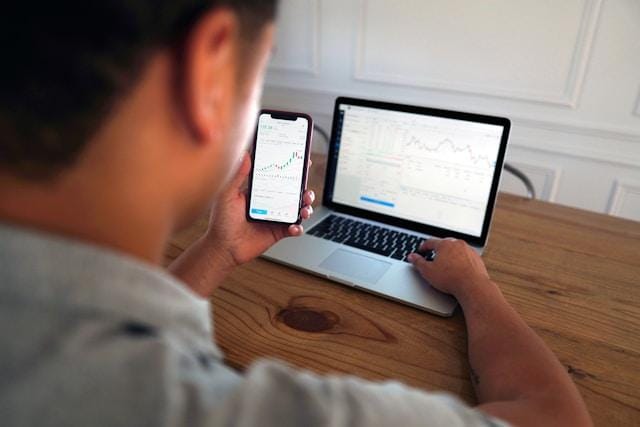
Crypto trading looks simple from the outside and feels like everyone is doing it. You open an account, buy a coin, and wait for the price to move. However, most beginners lose money because they enter too fast, follow hype, or trade without understanding how the market works.
A lot of first-time users focus only on the buying process. On platforms like switchere.com, for example, people may start by looking at coin prices or checking guides before starting trading. Before placing any trade, you need to understand what you are buying, where you are buying it, and how much risk you are taking.
One of the biggest mistakes is treating trading and investing like the same thing. Trading usually means trying to profit from shorter price moves. Investing is more about holding for the long term. If you mix those two ideas, you will panic too easily when prices drop or hold bad trades for too long because you suddenly call them investments.
Start with the Platform, Not the Coin
Before chasing market trends, make sure the platform itself is reliable. A beginner should look for clear fees, strong security, decent liquidity, and a simple withdrawal process. If a platform is confusing before you deposit money, it will not feel safer later.
Liquidity is especially important. A coin might look exciting, but if trading volume is weak, your order may fill at a worse price than you expected. That is why beginners are usually safer starting with major coins and popular trading pairs instead of thin, obscure tokens.
Learn Basic Security Right Away
Crypto gives you control, but that control comes with responsibility. Use a strong password and turn on two-factor authentication from day one. Never store wallet recovery phrases in notes apps, email drafts, or screenshots.
It also helps to understand the difference between exchange storage and a private wallet. Keeping funds on an exchange may be convenient for active trading. Holding funds in your own wallet gives you more control, but it also means you are fully responsible for access. If you lose your wallet details, there is usually no simple way to recover them.
Know the Main Order Types
You should not trade real money until you understand market orders, limit orders, and stop losses. A market order fills immediately at the best available price. A limit order lets you choose the price you want. A stop loss helps cap damage if the trade moves against you.
That sounds basic, but it changes how you behave. Beginners who skip stop losses often sit in losing trades and hope for a rebound. Traders who only use market orders often enter at bad moments because they are reacting emotionally instead of planning ahead.
Keep Chart Reading Simple
Many beginners make chart reading harder than it needs to be. Start with candlesticks, trend direction, support and resistance, and volume. That is enough to build a useful foundation.
Look at higher timeframes first because they show the broader trend more clearly. Lower timeframes often create noise and false signals. A clean daily or four-hour chart is usually more helpful than staring at every small move on a very short timeframe. Indicators like RSI and moving averages can help, but they should support your view, not make decisions for you.
Risk Matters More Than Excitement
The fastest way to blow up a beginner account is poor risk control. Never put too much money into one trade, and never risk money you cannot afford to lose. Small losses are manageable. Big losses usually lead to emotional trading and even worse decisions.
Leverage is another common trap. It can magnify gains, but it also magnifies mistakes. In a market as volatile as crypto, beginners are usually better off staying with spot trading until they have real experience and a proven routine.
Do Not Follow Hype Blindly
Crypto is full of noise. Social media posts, group chats, and influencer calls can make weak trades look like easy wins. By the time most beginners hear about a coin, the early move is often already over.
Scams are also everywhere. Be careful with anyone promising guaranteed returns, secret signals, or urgent opportunities. If a deal sounds effortless or pushes you to act fast, step back.

Start Small and Stay Consistent
A good beginner does not need a fancy system. What matters is a simple process you can repeat. Start small. Focus on a few major assets. Write down why you entered a trade, where you will exit, and how much you are willing to lose before you begin.
Crypto markets in 2026 still offer real opportunities, but they punish careless decisions very quickly. Beginners who take time to learn the basics, control risk, and avoid emotional trading give themselves a much better chance to last.