
You join a virtual leadership session, camera on, mic muted, and within ten minutes, you are already checking emails on the side. It is not that the topic is bad; it is just that the format does not hold the same weight it used to.
Organizations did not plan to rethink leadership events this deeply. It sort of happened out of necessity, then stayed because it worked in some ways, and failed in others. Now there is this ongoing adjustment, not dramatic, but steady, where teams are trying to figure out what actually lands in a virtual setting and what just fills time.
The Shift from Presence to Attention
In-person events relied heavily on presence. People showed up, sat in a room, and the setting itself created a kind of focus. Virtual events do not have that built-in structure. Attention has to be earned more directly, and it can be lost just as quickly.
This has changed how sessions are planned. Long presentations are being shortened or broken into segments. There is more thought around pacing, even if it is not always obvious. Some organizations are still figuring this out. The session feels stretched, or slightly off in timing. There is also a growing awareness that attendance does not equal engagement. Someone can be logged in and still not really there. That gap has forced leaders to rethink what success looks like for these events.
The Role of Keynote Speakers
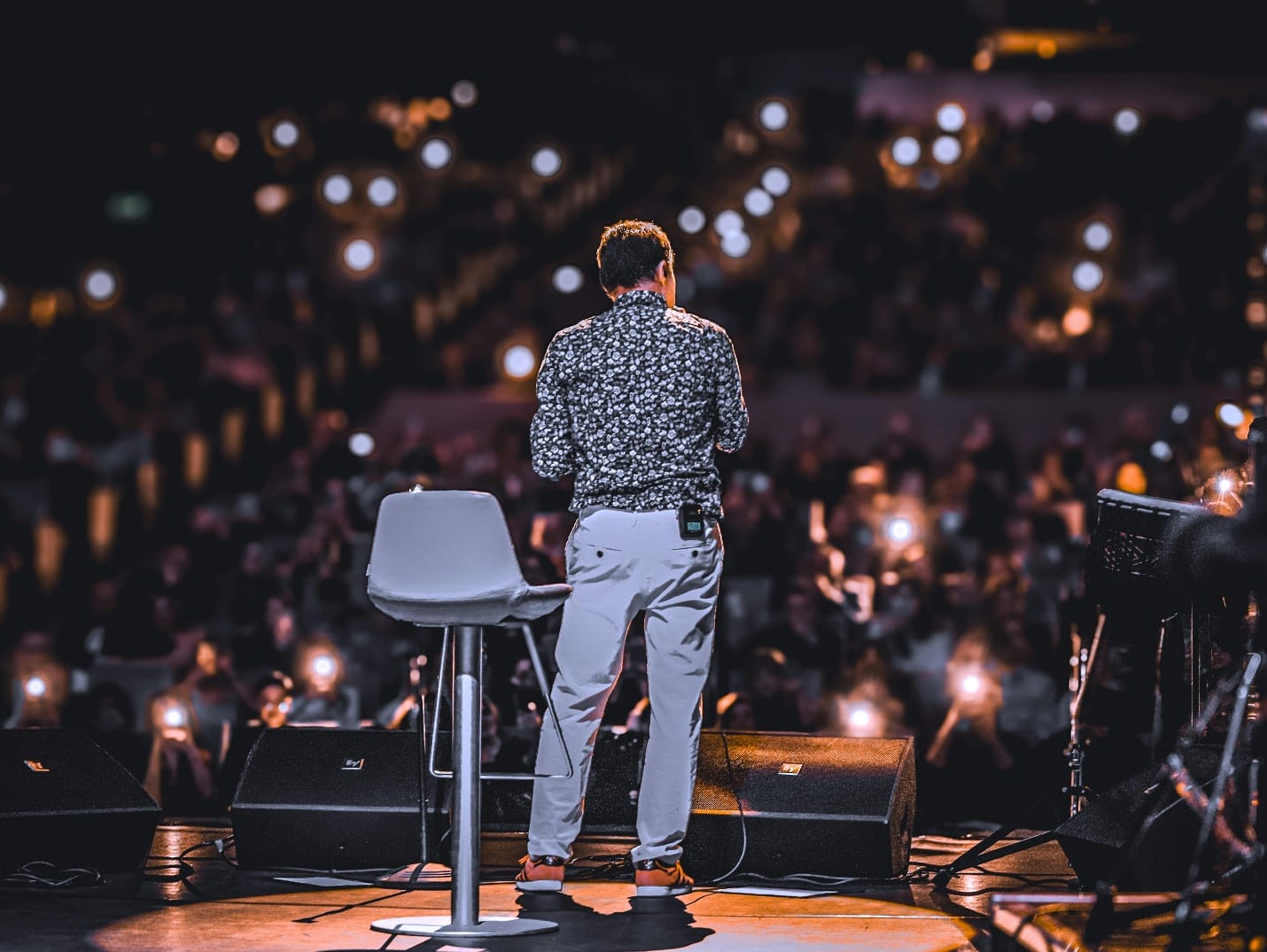
The role of the speaker has shifted in a quiet way. In the past, a strong stage presence could carry a session, even if the content was familiar. In a virtual setting, that same approach does not always translate. Delivery has to adjust. Timing, tone, and even pauses feel different on a screen. And the top virtual keynote speakers like Seth Godin and David Kwong know the art of delivering impactful sessions without being physically present with their audience.
Speakers who work well in this space tend to simplify their message without watering it down. They move at a pace that fits the format, not the room they are used to. It is less about performance and more about connection, even though connection is harder to measure here.
Shorter Sessions, But More of Them
There has been a noticeable shift toward shorter sessions. Not always by design at first, but more because attention tends to drop off after a certain point. People have other tabs open, other messages coming in, and it is harder to compete with that.
So instead of one long keynote, events are being split into smaller segments. A session here, a discussion there, sometimes spread across days instead of packed into one. It sounds fragmented, but in practice, it often works better. There is still some trial and error. Some organizations go too short and lose depth. Others try to keep things long and lose the audience. The balance is not fixed yet, and maybe it will not be for a while.
Interaction Feels Different Now
Interaction used to mean questions at the end or maybe a breakout session. Now it shows up in chat boxes, polls, and quick reactions. It is faster, but also a bit scattered.
Some people engage more in this format. Others pull back. It depends on comfort level, and maybe on how the session is structured. When interaction is forced, it tends to feel that way. When it fits naturally into the flow, it works better, even if participation is uneven. There is also a timing issue. Delays, small technical lags, they change how conversations feel. It is not always smooth, and that affects how people respond.
Leadership Content Is Being Adjusted
Content itself has started to shift. Topics that worked well in person do not always carry the same weight online. There is more focus now on practical takeaways, things that can be applied quickly. Abstract ideas still have a place, but they are often paired with examples or scenarios. People want something they can use right away, especially when the session is happening in the middle of a workday. There is also a subtle change in tone. Less formality, more direct language. Not casual exactly, but closer to how people actually speak in meetings. It feels less staged, which seems to help.
Technology Is a Tool, Not the Event
Early on, there was a lot of focus on platforms. Which one to use, what features it had, and how it looked. That focus has settled a bit. Technology still matters, but it is not the main thing anymore. What matters more is how it is used. A simple setup that runs smoothly tends to work better than a complex one that distracts from the content. Glitches happen, but when they are minimal, people move past them quickly.
There is also a growing understanding that not every feature needs to be used. Just because a tool offers polls, breakout rooms, and reactions does not mean all of them should be included in every session.
The Line Between Work and Learning Is Blurred
One thing that has changed quietly is where these events sit in a person’s day. They are no longer separate from work. They happen during it. Someone might join a leadership session between meetings or while handling other tasks. That affects how they engage. It is not the same as traveling to an event and setting aside time for it.
Organizations are adjusting to this by making sessions more flexible. Recordings are often available. Content is sometimes broken into pieces that can be revisited later. It is not ideal for deep focus, but it fits the reality people are working in.
Not everything from this shift will stay, but some parts already feel settled. Virtual events are not going away. They are being refined instead of replaced. There is more intention now around structure, pacing, and delivery. There are still rough edges. Some sessions miss the mark. Others work better than expected. It is uneven, which makes sense given how quickly things shifted.
But overall, organizations are learning to design events that fit the environment they are in, rather than trying to recreate something that belonged to a different setting. That adjustment, even if it is not perfect yet, is what is moving things forward.