
According to the Cruise Lines International Association’s 2023 safety data, cruise ships report over 3,000 passenger injury incidents annually across major operators — yet most passengers have no idea how these reports get handled behind the scenes or why that process can make or break their compensation claims. As the cruise industry rebounds to pre-pandemic passenger volumes while facing increased scrutiny over safety protocols, understanding how cruise lines document and respond to injuries has become critical for anyone planning to sail.
The stakes couldn’t be higher for injured passengers. Unlike a slip-and-fall at a hotel or restaurant, cruise ship injuries fall under complex maritime law with unique procedural requirements, strict deadlines, and contractual limitations that most travelers never read. What happens in those first hours after an incident — how crew members respond, what gets documented, and which protocols get followed — often determines whether a legitimate injury claim succeeds or gets dismissed on technicalities.
This intricate system of incident management reflects decades of legal precedent and industry practice designed to protect cruise operators while theoretically preserving passenger rights. For anyone who’s ever wondered what really happens when someone gets hurt on a cruise ship, understanding these processes reveals both opportunities and pitfalls that could affect millions of future passengers.
How Cruise Lines Document and Manage Injury Reports
When a passenger injury occurs aboard a cruise ship, the response follows a carefully orchestrated protocol that prioritizes immediate documentation over everything else. Crew members receive extensive training on incident reporting procedures because cruise lines understand that incomplete or delayed documentation can expose them to significant liability in subsequent legal proceedings.
The process typically begins with the injured passenger or a witness notifying crew members, who must immediately secure the scene and begin photographing conditions exactly as they existed at the time of injury. Modern cruise ships maintain dedicated incident response teams that include security personnel, medical staff, and guest services representatives — each with specific documentation responsibilities that create a comprehensive record of the event.
Within hours, the ship’s security office generates what’s known as an incident report, which includes witness statements, crew observations, photographic evidence, and environmental factors like weather conditions or ship movement. This report becomes the foundation for how the cruise line will approach any future claim, and passengers rarely realize they have the right to request a copy of this documentation for their own records.
What many injured passengers don’t understand is that cruise lines also conduct immediate internal investigations to determine whether the incident resulted from passenger negligence, equipment failure, or crew oversight. These investigations include reviewing security camera footage, interviewing staff members, and assessing whether existing safety protocols were properly followed — all of which directly impacts how aggressively the cruise line will defend against future compensation claims.
The quality and completeness of this initial documentation often determines claim outcomes more than the severity of the injury itself, making the first 24 hours after an incident absolutely critical for protecting passenger interests.
What Legal Rights Do Passengers Have Under Maritime Law?
Cruise ship injury claims operate under admiralty and maritime law, a specialized legal framework that differs significantly from typical personal injury cases on land. This distinction isn’t merely academic — it fundamentally changes how liability gets established, what damages can be recovered, and where legal disputes must be resolved.
Under maritime law, cruise lines owe passengers a duty of reasonable care, but this standard gets applied differently than premises liability in terrestrial settings. Cruise operators must maintain their vessels in reasonably safe condition and respond appropriately to known hazards, but they’re not automatically liable for every passenger injury that occurs aboard ship. The challenge for injured passengers lies in proving that the cruise line breached this duty through specific acts of negligence or omission.
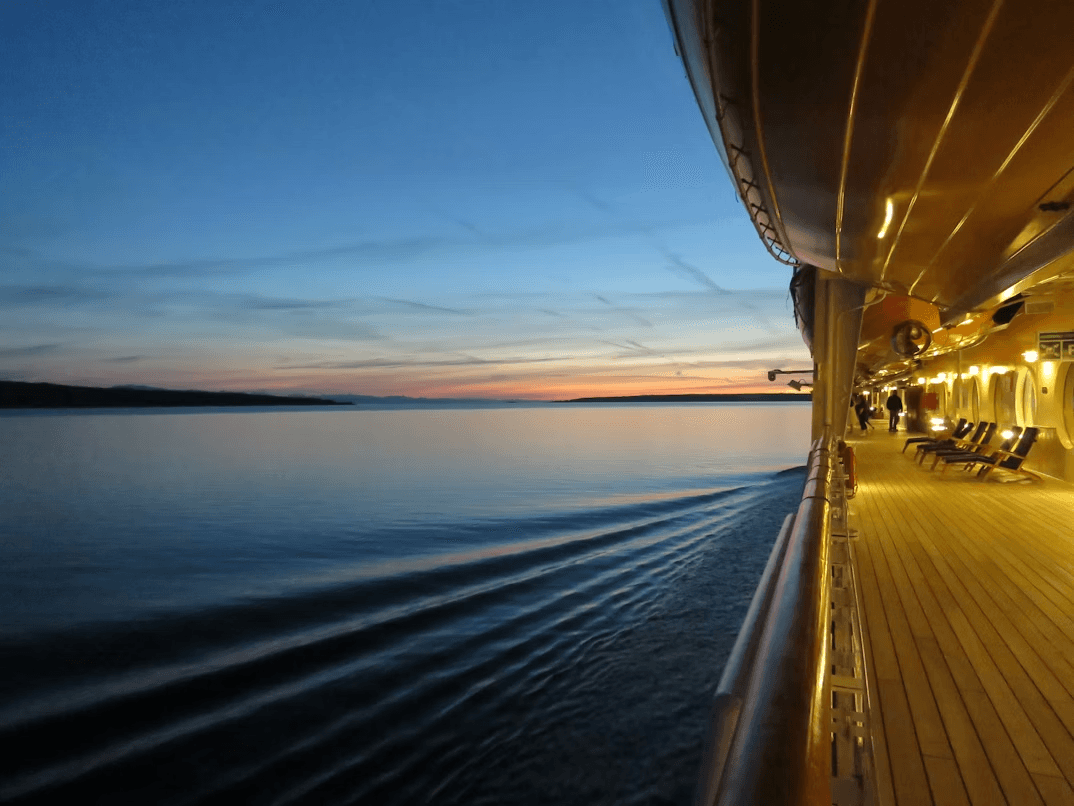
Consider a passenger who slips on a wet deck surface during rough weather. While the injury might seem straightforward, maritime law requires proving that the cruise line either created the dangerous condition, knew about it and failed to address it, or should have known about it through reasonable inspection procedures. Weather-related conditions often complicate these cases because cruise lines can argue that certain hazards are inherent to ocean travel.
How Maritime Law Shapes Liability and Claims
Maritime negligence claims require establishing four elements: duty, breach, causation, and damages — but each element gets evaluated through the lens of shipboard operations and industry standards. Cruise lines have specific duties to inspect common areas regularly, maintain safety equipment properly, and train crew members adequately, but they’re not required to guarantee passenger safety in all circumstances.
The Jones Act and other maritime statutes limit certain types of damages while providing specific remedies for others. For instance, punitive damages are rarely available in maritime injury cases, but passengers may be entitled to compensation for medical expenses, lost income, pain and suffering, and future medical needs related to their injuries.
Proving causation in maritime cases often requires expert testimony about ship operations, industry safety standards, and mechanical systems. When specialized maritime injury lawyers get involved early in the process, they typically focus on preserving evidence and identifying expert witnesses who can explain how cruise line negligence contributed to the injury — expertise that general personal injury attorneys may lack.
Understanding Contract Clauses and Statutes of Limitations
Every cruise ticket contains contractual provisions that significantly impact injury claims, including forum selection clauses that require lawsuits to be filed in specific jurisdictions — often far from where passengers live. These contracts also impose shortened statute of limitations periods, typically requiring formal notice of claims within six months and lawsuits within one year of the incident.
The ticket contracts frequently include mandatory arbitration clauses, damage limitations, and restrictions on class action participation. While some of these provisions can be challenged in court, passengers who fail to comply with contractual notice requirements often lose their right to pursue compensation entirely, regardless of how legitimate their underlying injury claim might be.
Medical care disclaimers represent another crucial contractual element. Cruise ships typically provide basic medical care through onboard facilities, but passengers may be responsible for costs associated with emergency evacuations, specialized treatments, or follow-up care once they return home.
Common Causes and Types of Injuries on Cruise Ships
Slip-and-fall incidents account for the largest category of cruise ship injuries, typically occurring on wet decks, in dining areas, or around swimming pools where water creates hazardous conditions. These cases often involve questions about whether the cruise line provided adequate warnings, maintained proper drainage systems, or followed industry standards for surface materials in areas prone to moisture.
Mechanical failures present another significant injury category, ranging from elevator malfunctions and door defects to problems with fitness equipment or deck machinery. When these incidents occur, investigation typically focuses on maintenance records, crew training protocols, and whether the cruise line followed manufacturer guidelines for equipment inspection and repair.
Assault and sexual assault cases create unique challenges because they involve criminal conduct by individuals rather than direct cruise line negligence. However, cruise lines can still face liability for inadequate security measures, failure to properly screen crew members, or inappropriate responses to reported incidents. These cases often require extensive investigation into the cruise line’s security protocols and past incident history.
Shore excursion injuries deserve special attention because they frequently involve third-party tour operators, transportation companies, or local businesses that may not carry adequate insurance coverage. While cruise lines often attempt to disclaim responsibility for shore excursion incidents, they can still face liability for failing to properly vet tour operators or adequately warn passengers about specific risks associated with particular activities.
Food poisoning and medical malpractice claims round out the most common injury categories, with food safety incidents potentially affecting hundreds of passengers simultaneously and medical care issues arising from the limited treatment options available aboard ship.
Key Steps and Challenges in the Cruise Ship Injury Claim Process
Filing a successful cruise ship injury claim requires navigating multiple procedural hurdles that don’t exist in typical personal injury cases. The process begins with providing formal written notice to the cruise line within the timeframe specified in the ticket contract — usually six months from the date of injury. This notice must include specific details about the incident, the injuries sustained, and the basis for claiming cruise line negligence.
The compressed timeline for maritime claims means that evidence collection must happen quickly and systematically. Passengers who delay in gathering witness contact information, obtaining copies of incident reports, or preserving physical evidence often find themselves at a significant disadvantage when their claims reach the litigation stage. Cruise lines have extensive resources for defending these cases and typically begin building their defense strategy immediately after an incident occurs.
Medical documentation becomes particularly complex in cruise ship cases because injuries may be initially treated by ship medical personnel, then by emergency facilities at ports of call, and finally by the passenger’s regular physicians after returning home. Establishing clear medical causation and documenting the full extent of damages requires coordinating care across multiple providers and jurisdictions.
Collecting Evidence and Proving Negligence
Successful cruise ship injury claims depend heavily on preserving evidence that demonstrates how the cruise line’s negligence contributed to the incident. This includes obtaining security camera footage, witness statements, incident reports, maintenance records, and crew training documentation — much of which remains under the cruise line’s control and may not be voluntarily disclosed.
Expert witnesses play a crucial role in maritime injury cases, with specialists in naval architecture, cruise ship operations, safety protocols, and medical care often needed to establish industry standards and explain how the cruise line’s actions fell below those standards. These experts typically review the ship’s design, safety procedures, crew training programs, and response protocols to identify specific failures that contributed to the injury.
Weather reports, ship movement data, and passenger activity schedules can also provide important context for understanding the circumstances surrounding an injury. Cruise lines maintain detailed logs of ship operations that can either support or undermine their defense strategies, making early discovery of these records essential for building effective injury claims.
Common Defenses by Cruise Lines and How to Overcome Them
Cruise lines typically defend injury claims by arguing that passengers assumed the risk of injury, contributed to their own injuries through negligent behavior, or that the injuries resulted from pre-existing medical conditions rather than shipboard incidents. These defenses require careful attention to the passenger’s activities before and after the incident, medical history, and compliance with posted safety warnings.
The assumption of risk defense proves particularly challenging in cases involving recreational activities, rough weather conditions, or situations where passengers may have been drinking alcohol. Cruise lines often argue that certain risks are inherent to cruise travel and that reasonable passengers should expect and accept these hazards as part of their vacation experience.
Comparative negligence defenses focus on the passenger’s own actions and whether they exercised reasonable care for their own safety. This might include arguments about wearing appropriate footwear, following posted warnings, or avoiding obviously dangerous conditions. Overcoming these defenses typically requires demonstrating that the cruise line’s negligence was the primary cause of the injury, regardless of any contributory factors.
How Compensation and Settlements Are Determined and Impacted
Cruise ship injury settlements vary dramatically based on the severity of injuries, the strength of negligence claims, and the jurisdiction where legal proceedings take place. Economic damages typically include medical expenses, lost wages, and future medical care costs, while non-economic damages cover pain and suffering, emotional distress, and loss of enjoyment of life.
The confidential nature of most cruise ship settlements makes it difficult for passengers to evaluate whether settlement offers represent fair compensation for their injuries. Cruise lines prefer confidential settlements because they prevent public disclosure of incident details and compensation amounts that might encourage additional claims or regulatory scrutiny.
Insurance coverage plays a significant role in settlement negotiations, with cruise lines typically carrying substantial liability policies that provide coverage for passenger injury claims. However, insurance companies often dispute coverage for certain types of incidents or argue that specific policy exclusions apply, creating additional complexity in settlement discussions.
The forum selection clauses in cruise ship contracts can significantly impact potential compensation amounts because damage awards and jury attitudes vary substantially between different jurisdictions. Cases filed in maritime-friendly courts may result in lower awards than those resolved in jurisdictions with more plaintiff-favorable legal environments, making the early strategic decisions about where and how to pursue claims absolutely critical for maximizing recovery potential.
Understanding these compensation dynamics helps injured passengers make informed decisions about settlement offers versus the risks and potential rewards of pursuing litigation through trial. The complexity of maritime law and the resources that cruise lines dedicate to defending claims make early consultation with experienced maritime counsel essential for protecting passenger interests and maximizing compensation opportunities.