

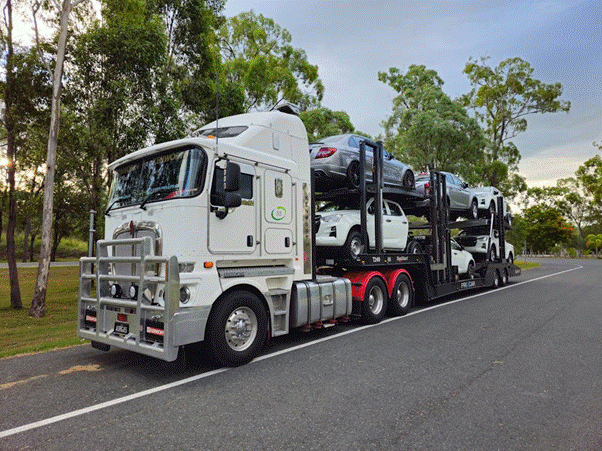
Cross-country vehicle transport has become increasingly popular for various reasons. People often relocate for new jobs, begin college, or move to a new state. In such situations, auto transport companies ensure the safe delivery of vehicles. Cross-country car shipping takes time, but it’s an excellent solution for long-distance moves. Vehicles can be transported across state lines and throughout the entire country. This method is widely used and offers insured delivery with multiple service options. Customers can track their shipment and choose from various transport types.
Driving across the country may seem cost-effective initially. However, fuel, lodging, and meals add up quickly. There’s also a risk associated with accidents and breakdowns that can lead to serious problems. Long-distance road trips can be challenging and exhausting for vehicle owners. Moving cars is an effective way to minimize vehicle wear and tear while avoiding these issues. Customers can choose between carriers that offer enclosed and open transport options. When comparing carriers, pricing and security are vital considerations. Most reputable companies provide real-time tracking and estimated delivery windows. Insurance coverage is also essential with licensed transport carriers. Auto transport offers peace of mind and ensures transparency, along with real-time monitoring.
How Does Cross Country Car Shipping Work?
Cross-country car shipping ensures the safe transportation of vehicles over long distances. The vehicle remains protected throughout the journey, whether it’s hundreds or thousands of miles. Car owners should understand each step to prepare their vehicle properly. Companies handle most of the logistics, but customers play an essential role. Documentation, vehicle preparation, and communication are all critical components. Understanding the main stages helps clarify the workflow and ensures successful results. Here is what’s essential to pay attention to:
- Request a quote. Companies will request specific information about pickup and delivery locations. The vehicle type, condition, and preferred dates are essential details. Luxury models, classic cars, or non-running vehicles typically cost more. The cost of moving cas depends on distance, fuel prices, and seasonal demand.
- Booking and paperwork. Once the client agrees on a price, the company prepares a transport contract. This includes insurance details and estimated delivery timeframes. Reputable companies provide clear, detailed terms in their contracts.
- Vehicle preparation. Vehicle preparation is crucial for a smooth shipping process. Customers must wash and clean the car to make all scratches and damage visible. Customers should also remove personal belongings and deactivate the alarm system. Proper preparation guarantees successful transportation. Fuel should be at approximately 1/4 tank for safe transport and maneuvering.
- Pickup by the carrier. Cross-country car shipping begins with carrier pickup on the scheduled pickup day, following completion of the inspection report. The carrier uses specialized ramps and wheel straps to secure the vehicle. The carrier also uses stabilizers to secure the vehicles properly. Professional drivers ensure proper weight distribution and safe loading.
- Transportation and monitoring. Drivers follow planned routes optimized for safety and efficiency. Many companies offer GPS tracking and regular customer support updates. Weather conditions, route planning, and traffic patterns are all carefully considered.
- Delivery and inspection. Upon arrival, the owner inspects the vehicle and compares it with the initial documentation. Any discrepancies are noted on the bill of lading and may lead to insurance claims.
Cross Country Towing vs Auto Transport
Some people consider cross-country towing as an alternative to professional transport. Many owners confuse towing with auto transport when exploring different options. It’s essential to understand the differences in pricing, safety, and practicality. These methods differ in terms of price, safety, and overall effectiveness for long-distance travel.
Towing:
- Towing is designed for short distances, typically within a city or local region.
- Towing places stress on the wheels, axles, and suspension components.
- Towing exposes the vehicle to road debris, weather, and rough terrain.
- Cross-country towing becomes very expensive due to fuel consumption and extended driver hours.
Auto Transport:
- Auto transport trailers are designed for long-distance hauls of thousands of miles.
- Auto transport keeps the vehicle stationary while protecting all mechanical systems.
- Auto transport is safer due to hydraulic lift gates and multi-point securement straps.
- Auto transport spreads costs across multiple vehicles, making it more economical.
Choosing the Right Car Shipping Company
A reliable and reputable car shipping company is crucial for safe transportation. Choosing a quality provider helps minimize issues and ensures peace of mind. The right service provider prevents delays, avoids vehicle damage, and delivers professional service. Time invested in research helps prevent financial losses and stress. Car owners reduce stress by selecting companies that are properly licensed and have a proven track record. Here are essential factors to consider when choosing a company:
- Carrier licensing. Car owners should verify USDOT and MC numbers with the Federal Motor Carrier Safety Administration. Companies without proper licensing operate illegally and lack adequate insurance. Unlicensed companies may engage in fraudulent practices and cause problems.
- Insurance transparency. Reputable auto transport companies provide written documentation about coverage limits. For example, companies make California car shipping, then they explain the claims process and any applicable deductibles. Car owners should avoid moving companies for cars that make vague promises without providing written documentation to support them.
- Customer reviews. Car owners should analyze patterns related to complaints, delays, and damage claims to identify potential issues. Poor communication indicates an unreliable company with significant operational issues.
- Types of carriers. Car owners should understand the various types of carriers available. Providers should offer both open and enclosed carriers for maximum flexibility. Customers can then balance cost and protection based on their vehicle’s needs.
- Customer service. Moving companies for cars should offer responsive customer service throughout the process. Quality support indicates a well-run operation with experienced staff. Unreliable companies avoid phone communication and provide limited contact options. Companies should provide clear communication channels and accessible support representatives.
Shipping a Vehicle Cross Country – Cost Guide
Transport costs vary significantly based on multiple factors. Various factors significantly impact the final price and require careful budget planning. Car owners should understand pricing structures from the beginning. Distance is a primary factor in shipping a vehicle cross-country costs. Longer distances cost more overall but lower the per-mile rate. Coastal routes tend to be more expensive due to higher demand and congestion.
Transport type also significantly affects pricing. Enclosed carriers offer superior protection from weather and road debris. However, they typically cost 30-50% more than open transport options. Vehicle size and weight significantly impact pricing calculations. Large SUVs and trucks occupy more trailer space, thereby reducing carrier capacity and increasing costs. Vehicle condition also plays a significant role in final pricing. Non-running vehicles require special equipment and additional handling fees.
Seasonal demand affects pricing throughout the year. Summer and late spring have the highest demand and, therefore, higher prices. Winter weather can cause delivery delays due to snow and ice, which may also increase costs. Standard shipping a vehicle cross-country provides predictable pricing with proper planning. Understanding these factors helps customers budget effectively and avoid unexpected expenses. Customers should request detailed quotes and compare them with those of multiple carriers before making a decision.
Transportation of Car – Preparation Checklist
Transportation of a car requires careful preparation from both owners and carriers. Proper preparation eliminates delays and prevents insurance disputes in the future. Thorough preparation ensures the vehicle is ready for safe, efficient transportation. Rushing preparation can lead to oversights that cause problems during pickup. Adequate preparation speeds up the pickup process and reduces potential risks. Car owners should consider multiple factors that affect successful transportation. Here’s what you need to do:
- External cleaning is mandatory before transport begins. Thorough cleaning enhances the detection of existing damage, allowing for accurate documentation. It’s recommended to clean the vehicle so that even minor scratches are clearly visible.
- Before transportation of a car, you must remove all personal belongings from the vehicle. Insurance doesn’t cover personal items, and extra weight increases risks for the carrier. Personal items include electronics, documents, and loose items left inside the car.
- Car owners should inspect their vehicles for fluid leaks, as these can pose safety hazards during transportation. Leaks can damage other vehicles on the carrier, creating liability issues for the carrier. Leaks may result in the carrier refusing to pick up, causing scheduling problems.
- Secure all loose parts to prevent damage during transit. Aftermarket accessories, such as antennas and spoilers, can easily break during transportation. Securing or removing them helps protect both your vehicle and others on the carrier.
- Vehicle alarms should be deactivated before the carrier arrives for pickup. False alarms drain the battery and create issues during transport for the driver.
- The final step is documenting the vehicle’s condition with photos and videos. Owners should photograph all angles, focusing on the tires, bumpers, and mirrors to ensure a comprehensive record. This documentation helps verify the vehicle’s condition upon delivery and supports any claims.