

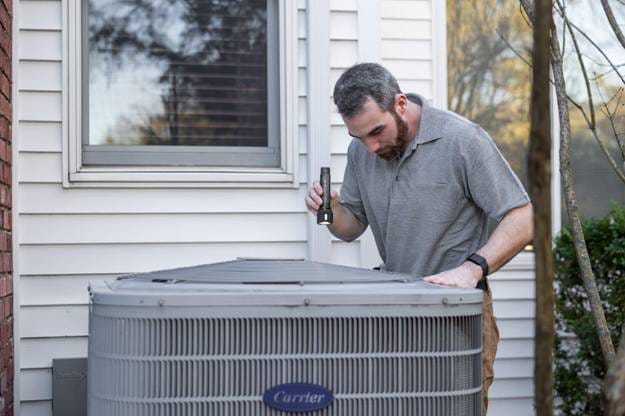
If you want steady work, decent pay, and skills that will matter even in the future as the world grows increasingly digital, HVAC career is a good choice. Buildings will always need conditioned air, and skilled technicians remain in short supply.
But like most professions, HVAC is not immune to new technologies. Smart systems, automation, new refrigerants, and energy-efficiency mandates are all changing the job and in many ways improving it (but not without friction). So if you want a career path that stays relevant for decades rather than a few upgrade cycles, you need a clear view of the technologies that already influence hiring, training, and long-term opportunity.
The Current State Of HVAC
First, some very good news. According to the U.S. Bureau of Labor Statistics, employment for heating, air-conditioning, and refrigeration mechanics and installers will grow much faster than average (about 8%) in the next ten years. In other words, the demand is still growing so you’re practically guaranteed to have steady work. But not every HVAC path wiill age the same in the following years.
Currently, there are a lot of aspects where the tech is steering the wheel. Smart homes and connected devices are becoming increasingly common, making the integration of HVAC systems with emerging technologies, like IoT, remote diagnostics, and interoperability, inevitable. This is not necessarily a bad thing; as long as you can adapt, your job will remain secure.
Smart thermostats and whole-home control systems are also experiencing growth (the smart-thermostat market is growing at a double-digit CAGR), which tells you homeowners are willing to invest when solutions save them time or lower their bills (and you’re the person who makes it all play nicely).
Commercial environments move even faster. Companies are pouring money into building automation systems because energy costs keep climbing, executives are under pressure to hit sustainability targets, and modern buildings need tighter control across lighting, HVAC, access systems, and data networks. That means plenty of opportunities in controls engineering, systems commissioning, and ongoing BAS maintenance.
Electrification and energy efficiency are another big vector. Heat pumps (electrified heating) are central to decarbonization strategies, even if regional adoption varies year to year. Familiarity with heat-pump installation, refrigerant transition rules, and load-calculation for all-electric systems will keep you relevant as codes and incentives evolve.
Picking A Track That Lasts
You have two choices here: you can choose the generalist path as a service tech or specialize. If you choose to the the latter, you have several options:
- Controls and BAS,
- Residential smart-home integration,
- Commercial refrigeration,
- Electrified heating (heat pumps).
When comparing options, think about the skills, not just pay: programming controllers and reading BACnet/Modbus pays later; mastery of refrigerants and diagnostics keeps you essential now. If you’re mapping career options in HVAC, this RSI primer is a practical place to compare residential, commercial, and industrial tracks.
The Next Steps (For Someone Who Already Knows The Basics)
- Add digital skills: train on common BAS platforms, learn simple scripting and networking (DHCP, subnetting basics), and get comfortable with cloud-connected device troubleshooting.
- Certify smart: NATE or manufacturer certifications (and BACnet/ASHRAE familiarity) signal competence to employers bidding on larger contracts.
- Follow policy and incentives: keep an eye on local heat-pump rebates and building efficiency standards; they create demand spikes (and coding/retrofit work).
- Build a vendor network: partnering with controls firms or energy-service companies can move you from reactive service calls into contracted maintenance and commissioning.
Bottom line
HVAC remains a stable career, but the highest-value roles are moving toward controls, electrification, and integrated building systems. You don’t need to become an expert in everything, just focus on one tech vector (controls, electrified heat, or smart residential) and add complementary skills (networking, commissioning, certifications). That combination will not only future-proof your work but also allow you to grow with the technologies so you can advance. Better jobs, better pay.