

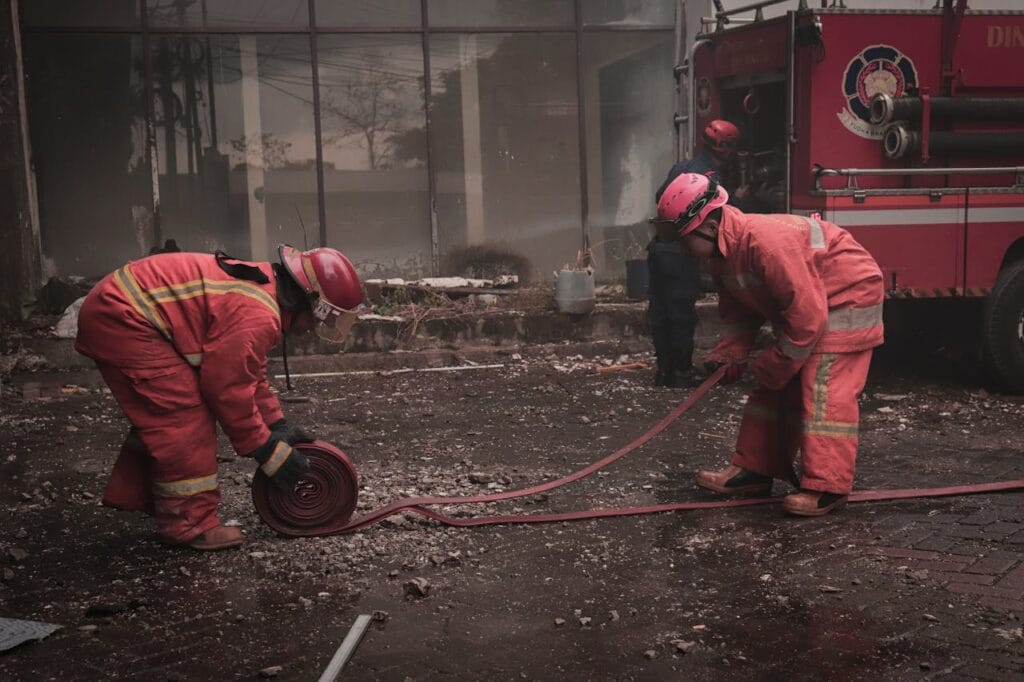
Most people think that occupational hazards are a thing of the past. However, these issues sadly continue to shape the lives of modern families in quiet and terrible ways. Construction sites, factories, offices, and gig work sometimes bring health and financial impacts on the home.
One injury can significantly disrupt family routines, reduce income, and shift caregiving roles in an instant. Long-term exposure to certain chemicals or noise can cause chronic conditions that alter the stability of homes. Read on to discover how these hazards still affect families.
Financial Strain
Occupation hazards often lead to sudden medical bills, lost wages, and long recovery periods. These occupational diseases and injuries can force people to work fewer hours or even leave their jobs entirely, thereby affecting household income.
As a result, families may face debt, delayed educational plans, and rely on a single earner. Ongoing care, insurance gaps, and rehabilitation sometimes quietly drain savings and affect the family’s long-term financial security.
Health Impacts
These hazards also lead to injuries, chronic illness, or long-term exposure-related diseases that affect entire households. If a worker faces health issues, families often face stress due to caregiving needs. Children may suffer from anxiety while partners try to manage the treatment schedules, fatigue, and the drop in the quality of life. All of these affect everyone’s well-being.
Disruption of Responsibilities and Roles
Work hazards significantly shift family responsibilities, especially when injuries or illnesses limit a person’s abilities. Partners may assume new caregiving roles, while children take on additional chores and offer emotional support.
Due to these hazards, families might be forced to postpone their plans and redistribute decision-making. These changes often lead to stress, especially as everyone adapts to unfamiliar roles. Hazards affect several in-demand careers, among others.
Strained Communication and Relationships
Due to the stress, pain, and fatigue that follow, occupational hazards often strain relationships and communication. Caregiving pressures and financial worries sometimes lead to silence, misunderstanding, or conflict. Partners may even struggle to balance their frustration with empathy, while kids withdraw as soon as they sense tension.
Social Isolation
Social isolation may creep in when illness, injury, or exhaustion reduces everyone’s participation in school, work, or community life. Limited mobility and medical appointments disrupt regular habits, and people may even feel discouraged from sharing their feelings. The result might be loneliness, as families in this situation tend to withdraw from friends and activities.
Disorganization of Family Routines
When injuries, irregular schedules, and chronic conditions change the outlook of their daily life, family routines become disorganized. School runs, meal times, and household tasks must be rearranged around medical care or limited energy.
Unpredictable recovery needs also create significant inconsistency, making it difficult to arrange and stick to plans. Since the affected person may be forced to work from home in some cases, the family’s routine is further disrupted.
Emotional Stress
Occupation hazards come with loads of emotional stress that goes well beyond the workplace. Pain, uncertainty, and recovery fears worsen anxiety, while financial pressures push tension at home. For people who might have faced hazards like asbestos exposure, families often struggle to hold it together, knowing the mesothelioma survival rate and their loved ones’ chances.
Endnote
Occupational hazards affect people in more areas than their work lives. This problem impacts families by causing financial strain, health impacts, role disruptions, strained relationships, and social isolation. It also disorganizes family routines and leads to severe emotional stress.