

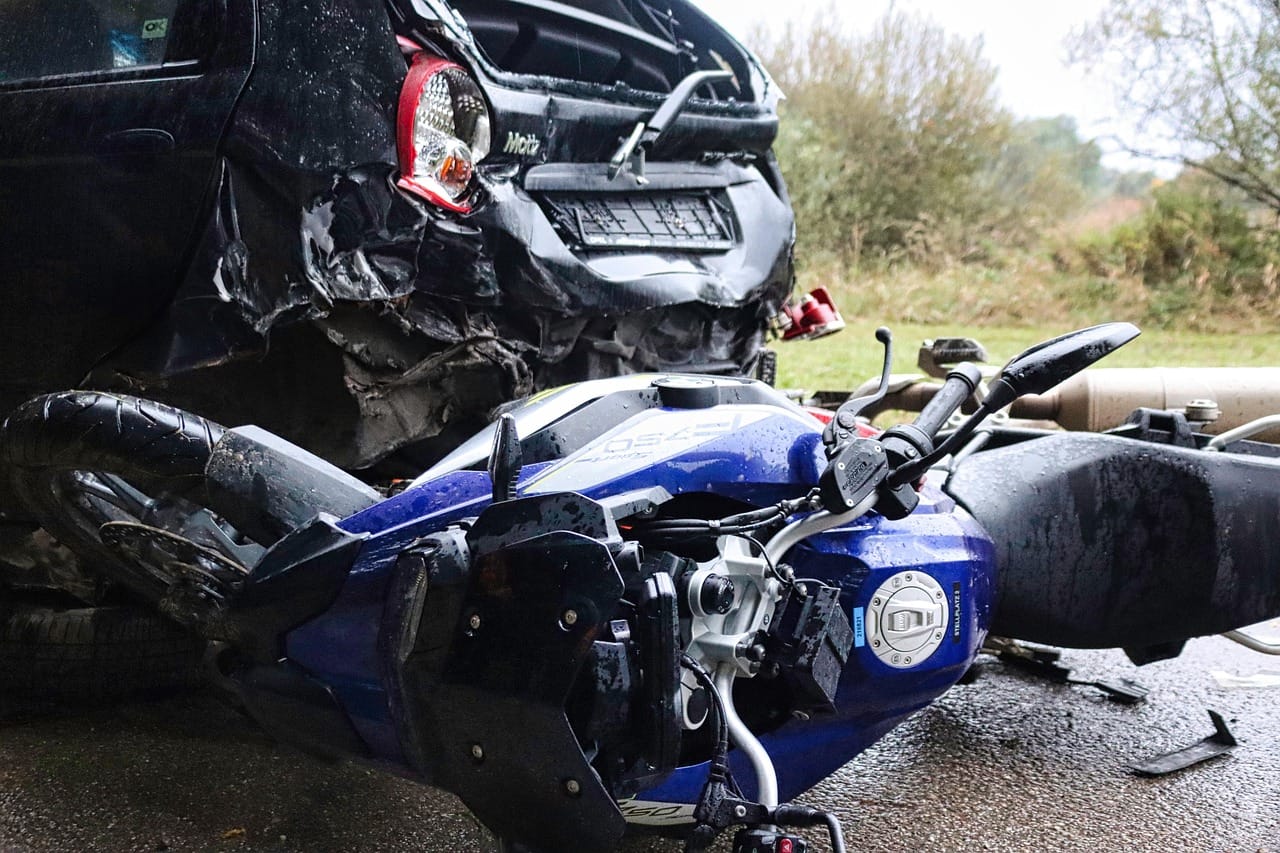
In the chaos following a motorcycle accident, 73% of riders make critical mistakes that jeopardize their legal claims—often within the first hour after the crash. According to the National Highway Traffic Safety Administration’s 2024 data, motorcycle fatalities increased 14% over the past two years, while legal settlements for properly documented cases averaged $89,000 compared to just $23,000 for poorly handled claims. The difference isn’t just about severity—it’s about knowing what to do when your world suddenly turns upside down.
The stakes couldn’t be higher. Unlike car accidents, motorcycle crashes often result in severe injuries, disputed liability, and insurance companies eager to minimize payouts. Riders face unique legal challenges: bias against motorcyclists, complex fault determination, and medical bills that can exceed $100,000 in serious cases. In these situations, seeking motorcycle accident legal assistance can help injured riders better understand their rights and navigate the claims process while focusing on recovery.
This isn’t about becoming a legal expert overnight. It’s about understanding the critical steps that protect your rights and maximize your recovery when everything feels overwhelming. Here’s what every rider needs to know about navigating the legal aftermath of a motorcycle accident—from the immediate scene to long-term settlement negotiations.
What Is Motorcycle Accident Legal Help?
Motorcycle accident legal help encompasses far more than hiring a lawyer after a crash. It’s a comprehensive support system designed to protect riders’ rights, navigate complex insurance claims, and secure fair compensation for damages and injuries. Unlike general personal injury assistance, motorcycle-specific legal help addresses the unique challenges riders face: vehicular bias, specialized injury patterns, and the technical complexities of motorcycle mechanics that often determine fault.
The core purpose extends beyond courtroom representation. Legal assistance begins the moment you call for help after an accident, guiding immediate evidence collection, medical documentation, and insurance communication. According to the Insurance Research Council, accident victims who receive early legal guidance recover 3.5 times more compensation than those who handle claims independently. This isn’t because lawyers are magical—it’s because they understand what evidence matters and how to preserve it before it disappears.
Legal aid services differ significantly from private personal injury representation. Legal aid typically serves low-income individuals through government-funded programs, offering basic assistance with insurance claims and simple cases. Private attorneys handle complex cases involving severe injuries, disputed liability, or significant damages. Both serve essential roles, but understanding which you need depends on your specific situation and financial circumstances.
The landscape has evolved dramatically in recent years. Modern legal help incorporates accident reconstruction specialists, medical experts who understand motorcycle injury patterns, and technology tools that preserve digital evidence. What hasn’t changed is the fundamental truth: the sooner you understand your options, the better your outcome will be.
Key Steps to Take Immediately After a Motorcycle Accident
Your actions in the first hour after a motorcycle accident can determine the success of any future legal claim. Research from the Highway Loss Data Institute shows that evidence collected within the first 30 minutes is 400% more likely to be admitted in legal proceedings than evidence gathered days later. The challenge is thinking clearly when you’re injured, scared, and dealing with aggressive drivers or uncooperative insurance representatives.
Document everything immediately. If you’re physically able, photograph the accident scene from multiple angles before any vehicles are moved. Capture skid marks, road conditions, traffic signs, and damage to all vehicles involved. Your smartphone becomes your most important tool—modern cameras are sophisticated enough to capture details that matter in court. Include wide shots showing the overall scene and close-ups of specific damage points, especially impact zones that tell the story of how the accident occurred.
Secure witness statements while memories are fresh. Witnesses forget crucial details within hours, and they often disappear entirely if you don’t get their contact information immediately. Ask for phone numbers and brief written statements about what they observed. Be specific: “I saw the blue sedan run the red light and hit the motorcycle” is infinitely more valuable than “the car hit the bike.” If witnesses seem hesitant, explain that their statement might help prevent similar accidents—most people want to help when they understand the stakes.
Obtain proper medical documentation even if you feel fine. Adrenaline masks pain and injury symptoms can appear hours or days later. Insurance companies regularly argue that delayed medical attention proves injuries aren’t accident-related. Emergency room visits create an official medical record linking your injuries to the specific accident date and time. This documentation becomes crucial evidence that private medical visits can’t provide.
The police report serves as the foundation for most legal proceedings, but not all officers understand motorcycle dynamics. If the responding officer seems unfamiliar with motorcycle mechanics or shows obvious bias, document these concerns and request a supervisor. Police reports can be amended if new evidence emerges, but initial impressions often stick throughout the legal process.
Understanding the Motorcycle Accident Claims Process
The claims process for motorcycle accidents involves multiple phases, each with specific deadlines and requirements that can make or break your case. Unlike simple fender-benders, motorcycle claims often involve multiple insurance companies, complex medical treatments, and extended negotiation periods that can stretch for months or years.
Fault determination drives everything. Insurance companies employ teams of investigators and accident reconstruction specialists to minimize their liability. In motorcycle cases, they frequently argue that rider speed, lane positioning, or vehicle modifications contributed to the accident. This bias isn’t accidental—industry data shows that challenging motorcycle claims reduces average payouts by 35%. Understanding this reality helps you prepare stronger evidence and avoid common pitfalls that undermine otherwise valid claims.
The settlement negotiation process rarely resembles what people expect. Initial offers typically represent 10-30% of case value, designed to test whether you understand your claim’s worth. Insurance adjusters are trained negotiators with access to vast databases of similar case outcomes. They know what cases settle for, while most accident victims are negotiating the most important financial transaction of their lives without comparable information or experience.
Medical documentation requirements are extensive and specific. Insurance companies demand detailed records showing injury causation, treatment necessity, and recovery timelines. Gap in treatment, delayed diagnoses, or inconsistent symptoms provide ammunition for claim disputes. Smart claimants establish care relationships with providers experienced in accident-related injuries who understand how to document cases for legal purposes.
Statute of limitations varies by state but typically ranges from one to three years from the accident date. However, certain circumstances can extend or shorten these deadlines. Insurance claim deadlines are often much shorter—sometimes as brief as 30 days for notification requirements. Missing these deadlines can completely destroy otherwise valid claims, regardless of how severe your injuries or clear the other party’s fault.
Types of Motorcycle Accidents Requiring Legal Help
Not every motorcycle accident requires legal intervention, but certain scenarios almost always benefit from professional guidance. Understanding these categories helps riders recognize when they’re facing complex liability issues that exceed typical insurance claim processes.
Multi-vehicle accidents with disputed fault present the greatest legal complexity. When multiple drivers share responsibility, insurance companies often engage in prolonged liability disputes while accident victims wait for resolution. These cases frequently involve sophisticated accident reconstruction, expert testimony about motorcycle dynamics, and complex negotiations between multiple insurance carriers. The apportionment of fault directly impacts compensation amounts, making professional legal guidance essential for protecting your interests.
Uninsured and underinsured motorist scenarios affect nearly 20% of motorcycle accidents according to 2024 Insurance Information Institute data. These cases require navigating your own insurance coverage while potentially pursuing assets from at-fault drivers. Many riders don’t realize their own policies provide coverage for uninsured motorist claims, or they misunderstand how these benefits work. Legal help becomes crucial for maximizing available coverage and exploring alternative compensation sources.
Severe injury cases involving permanent disability or disfigurement demand specialized legal expertise that goes far beyond basic insurance claims. These cases often involve future medical needs, lost earning capacity, and quality of life impacts that require expert economic analysis. Insurance companies routinely undervalue such claims because most people can’t calculate lifetime financial impacts of permanent injuries. Professional evaluation becomes essential for fair compensation.
Product liability accidents involving motorcycle defects or road hazards introduce additional complexity requiring technical expertise. Defective motorcycle components, poorly maintained roads, or inadequate traffic control devices can create liability for manufacturers or government entities. These cases often require extensive investigation, expert engineering analysis, and specialized legal knowledge about product liability or governmental immunity laws.
Differences Between Legal Aid and Personal Injury Lawyers
The distinction between legal aid services and private personal injury attorneys matters enormously for motorcycle accident victims, yet most people don’t understand these differences until they need help. Each serves distinct populations and handles different case types, making the choice between them crucial for optimal outcomes.
Legal aid organizations provide services primarily to low-income individuals who meet specific financial eligibility requirements. These programs, funded through government grants and charitable contributions, offer basic legal assistance with insurance claims, simple negotiations, and court document preparation. However, legal aid resources are limited, and complex motorcycle cases often exceed their capacity or expertise. According to the Legal Services Corporation, legal aid programs can only assist about 20% of eligible applicants due to funding constraints.
Private personal injury attorneys operate on contingency fee arrangements, meaning they receive payment only when cases settle or win at trial. This structure aligns attorney interests with client outcomes and makes quality legal representation accessible regardless of upfront financial resources. Contingency fees typically range from 25-40% of settlements, but experienced attorneys often negotiate higher settlements that more than offset their fees.
Case complexity determines which option works best. Simple cases involving minor injuries, clear fault, and cooperative insurance companies might succeed through legal aid assistance or even self-representation. Complex cases involving severe injuries, disputed liability, or uncooperative insurance companies almost always benefit from experienced private representation. The challenge lies in recognizing which category your case falls into before making decisions that can’t be easily reversed.
Success rates vary significantly between the two approaches. Private personal injury attorneys handling motorcycle cases report average settlement values 4-6 times higher than cases handled through legal aid or self-representation. This difference reflects not just attorney skill, but also the resources available for investigation, expert testimony, and extended negotiation processes that maximize case values.
Common Misconceptions About Motorcycle Accident Legal Assistance
Several persistent myths about motorcycle accident legal help prevent riders from making informed decisions about their cases. These misconceptions often stem from insurance company tactics, outdated information, or misunderstandings about how legal processes actually work.
“Insurance companies will treat me fairly if I’m honest and cooperative” represents perhaps the most dangerous misconception. Insurance companies are for-profit businesses whose financial success depends on minimizing claim payouts. Their adjusters are trained negotiators with access to sophisticated databases and legal resources that most accident victims lack. Being honest is important, but naivety about insurance company motivations can cost tens of thousands of dollars in reduced settlements.
“I can’t afford a lawyer” misunderstands how personal injury representation works. Most motorcycle accident attorneys work on contingency fee arrangements, requiring no upfront payments and collecting fees only from successful settlements or judgments. This structure makes quality legal representation accessible regardless of immediate financial resources. In fact, the attorney’s financial interest in maximizing settlements often results in higher net recoveries even after fee deduction.
“My case isn’t serious enough for legal help” underestimates both case complexity and potential compensation values. Even seemingly minor motorcycle accidents often involve medical bills, lost wages, and pain and suffering that exceed most people’s expectations. Insurance companies routinely make lowball offers to test whether claimants understand their cases’ true value. Professional evaluation costs nothing and provides valuable perspective on whether legal representation makes financial sense.
“Legal cases take forever and always go to court” reflects outdated perceptions of legal processes. Modern personal injury practice emphasizes efficient settlement negotiation, with over 95% of cases resolving without trial. Experienced attorneys understand when settlements represent fair value and when continued negotiation or litigation serves client interests. The goal isn’t protracted legal battles—it’s obtaining maximum compensation in reasonable timeframes.
Research, Trends, and Case Studies in Motorcycle Legal Help
Recent research reveals significant trends reshaping motorcycle accident legal assistance, driven by technological advances, changing insurance practices, and evolving legal strategies. Understanding these developments helps riders make informed decisions about their cases and expectations for outcomes.
Technology integration is transforming evidence collection and case presentation. Modern smartphones capture high-resolution photos and videos that provide detailed accident scene documentation. GPS data, dash camera footage, and vehicle computer systems now provide objective evidence that was impossible to obtain just a decade ago. According to the American Association for Justice’s 2024 technology survey, cases with digital evidence support settle 60% faster and for 35% higher amounts than cases relying solely on traditional evidence.
Insurance company tactics have become increasingly sophisticated. Machine learning algorithms now analyze claim patterns to identify cases likely to settle for reduced amounts. Insurance companies monitor social media activity, use surveillance to challenge injury claims, and employ predictive modeling to determine optimal settlement strategies. These developments require more sophisticated legal countermeasures and highlight the importance of professional representation in navigating modern claim processes.
A recent case study from Oregon illustrates typical challenges and outcomes. A 34-year-old motorcyclist suffered multiple fractures when a distracted driver ran a red light. Initial insurance offers totaled $12,000 for medical expenses alone, ignoring lost wages, pain and suffering, and future medical needs. Professional legal representation ultimately secured a $187,000 settlement through expert medical testimony, accident reconstruction, and detailed documentation of life impact. The case resolved in 14 months without trial, demonstrating how proper representation can transform outcomes.
Emerging legal trends include increased focus on distracted driving liability and expanded understanding of motorcycle injury patterns. Courts increasingly recognize unique challenges motorcyclists face and the inadequacy of traditional automotive safety standards for two-wheeled vehicles. This evolution supports higher compensation awards and better case outcomes for riders who understand how to leverage these developing legal principles.
Ethical, Social, and Future Considerations in Motorcycle Legal Aid
The motorcycle legal assistance landscape reflects broader questions about access to justice, social equity, and the role of legal advocacy in protecting vulnerable road users. These considerations shape both current practice and future developments in how society addresses motorcycle accident victims’ needs.
Access to quality legal representation remains unevenly distributed. Rural areas often lack attorneys with motorcycle accident expertise, while urban markets may have numerous options but varying quality levels. This geographic disparity affects case outcomes and highlights the importance of expanding access to specialized legal knowledge through technology, training, and innovative service delivery models.
Social bias against motorcyclists continues to influence legal proceedings. Research from the University of Michigan’s Transportation Research Institute shows that jurors bring preconceived notions about motorcycle riders that affect case outcomes. Progressive legal practices address these biases through jury education, expert testimony about motorcycle safety, and strategic case presentation that humanizes motorcycle riders rather than reinforcing stereotypes.
Future developments point toward increased integration of artificial intelligence and predictive analytics in legal practice. AI systems are beginning to analyze case patterns, predict settlement ranges, and identify optimal negotiation strategies. While these tools enhance attorney effectiveness, they also raise questions about maintaining personal attention and advocacy that defines quality legal representation.
The social impact of effective motorcycle legal aid extends beyond individual cases. Successful advocacy creates precedents that improve safety standards, influence insurance practices, and promote fairer treatment of motorcyclists throughout the transportation system. Each well-handled case contributes to broader social recognition of motorcyclist rights and responsibilities, ultimately benefiting the entire riding community.
Looking ahead, the integration of connected vehicle technology, expanded telemedicine capabilities, and evolving insurance models will reshape how motorcycle accidents are documented, treated, and resolved. The organizations and individuals who adapt to these changes while maintaining focus on rider advocacy will define the future of motorcycle legal assistance—creating a system that serves accident victims more effectively while promoting safer roads for everyone.