
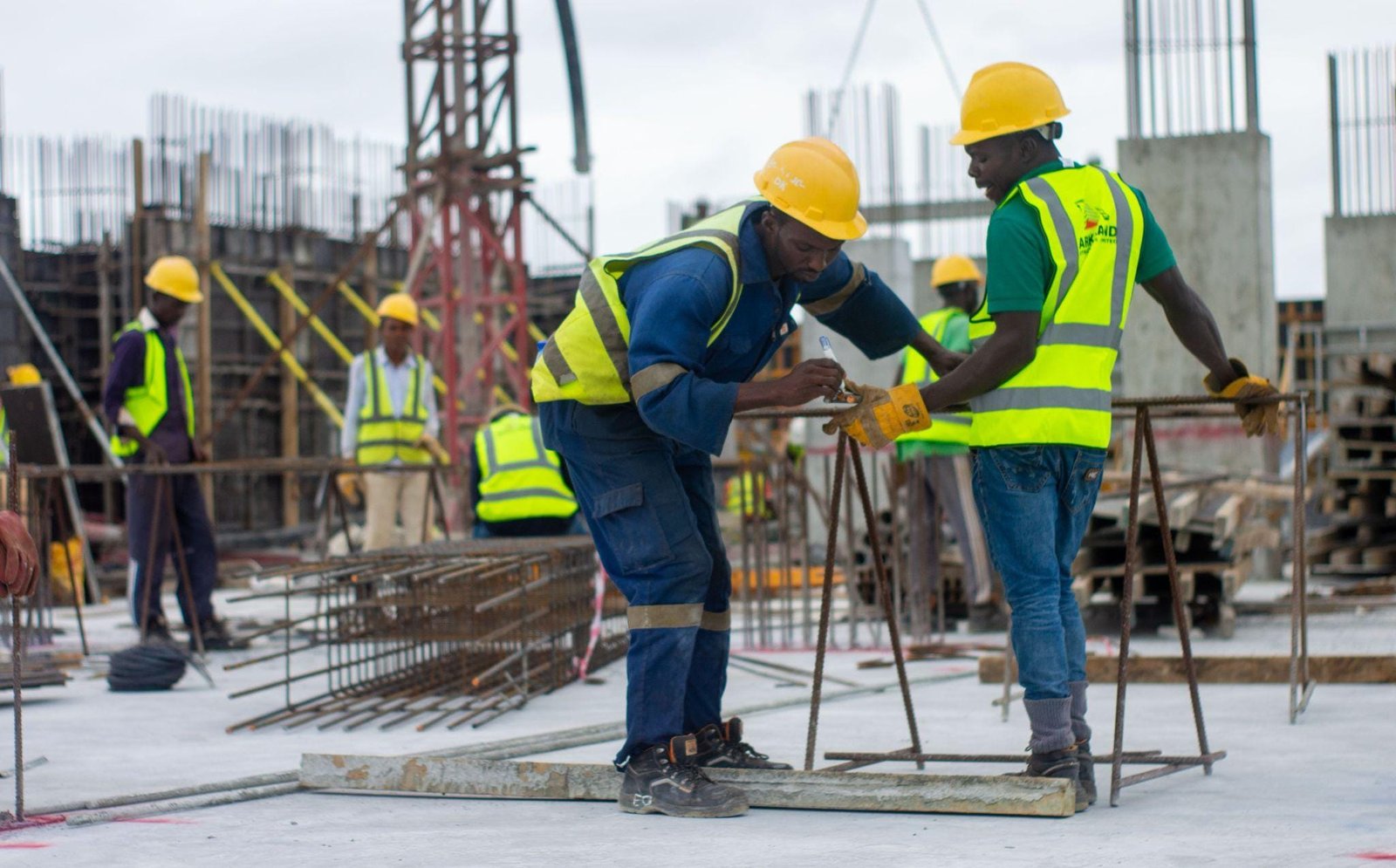
Photo courtesy of Pexels
Most businesses budget for labor, materials, and equipment before a project begins. Time, however, is often treated as if it costs nothing. In reality, every extra day on a project carries a price. Delays can increase financing costs, extend equipment rentals, disrupt supply chains, and postpone the revenue a completed building was expected to generate.
Even relatively short setbacks can create financial consequences that continue long after work resumes. Understanding where these hidden costs come from is the first step toward delivering projects more efficiently and protecting long-term business value.
Idle Time Still Costs Money
A delayed project rarely means spending stops. In fact, many costs continue accumulating even when little progress is happening. Contractors may still need to pay supervisors, rent equipment, maintain temporary site facilities, and keep security measures in place while waiting for materials or approvals.
According to the Construction Industry Institute (CII), poor planning and inefficient coordination remain among the leading causes of avoidable cost overruns. Every day lost on site increases overhead, making even short delays more expensive than they first appear.
Delays Can Postpone Revenue
Not every project generates value the day construction begins. Most start producing returns only after completion. A delayed warehouse cannot support operations. Similarly, a retail space cannot welcome customers. Just like that, a manufacturing facility cannot begin production.
Each missed deadline pushes expected revenue further into the future while many financing and operating costs remain unchanged. This is known as opportunity cost, and for many businesses, it becomes one of the most significant financial consequences of a delayed project.
Supply Chain Problems Rarely Stay Isolated
Construction schedules resemble a row of dominoes. When one delivery slips, several others often follow, and soon enough, the entire project gets plunged into chaos. A delayed shipment can leave subcontractors waiting, require work rescheduling, or force businesses to purchase replacement materials at higher prices.
The disruption also creates extra administrative work as teams coordinate new delivery dates and adjust project timelines. Rather than causing one problem, supply chain delays often create several smaller ones that gradually increase both costs and complexity.
Better Planning Creates More Predictable Outcomes
No project is completely immune to unexpected setbacks, but careful planning can reduce many avoidable risks. This is one of the reasons why businesses are looking at modular builds. Unlike traditional construction, where most work takes place on-site, modular construction shifts much of the process into a factory. Individual sections of a building are manufactured in a controlled environment, then transported to the site for assembly.
This approach changes more than just where construction happens. Factory production allows different phases of the project to run simultaneously. While site preparation is underway, building modules can already be taking shape elsewhere.
It also reduces exposure to weather delays, improves quality control through standardized manufacturing, and minimizes material waste. For organizations working against tight deadlines, modular construction offers a practical way to improve predictability without sacrificing quality.
Endnote
By investing in better planning, stronger coordination, and delivery methods that improve predictability, organizations place themselves in a much stronger position to keep projects, budgets, and business goals on track.