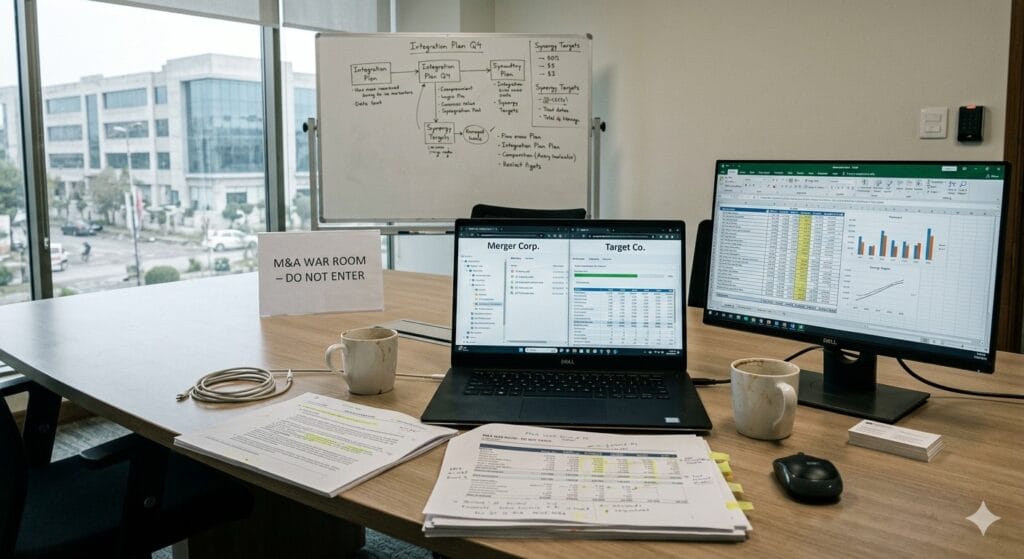
Managing sensitive information is one of the biggest obstacles to a successful merger or acquisition for a corporation. This typically involves reviewing multiple volumes of documents related to finance, legal affairs, and operational issues while maintaining security. In the event of a merger or acquisition, a data room will be helpful for companies managing large amounts of information and enabling them to have confidence in completing the transaction.
Understanding Data Rooms in M&A
What Are Data Rooms?
A Data Room also known as a Virtual Data Room is a secure online platform that provides a safe environment for managing sensitive business documents during a transaction. In the context of Data rooms for mergers and acquisitions, it offers a controlled way to access information, ensuring that only authorized users can view or manage specific files.
The Importance of Data Rooms
M&A (Mergers and acquisitions) means analyzing the various facets of a company mathematically. Without a proper organized system for storing this information will result in delays and confusion with respect to managing this type of information. The Data Room provides one centralized location where all document types are stored in an organized manner and easily accessible. It can also provide a mechanism for companies to track user activity, resulting in greater transparency and accountability during the due diligence period.
Key Features of M&A Data Rooms
Strong Security Measures
M&A deals are heavily reliant upon secure methods of conducting business. Encrypted data rooms, two factor authentication for access, and document watermarking will keep sensitive data from being accessed by those who don’t have authorization; thus, enable companies to meet regulatory criteria, but help build trust among those with stake in the deal.
Structured Document Management
A well-structured document management system is a major benefit during the due diligence process for M&A activities. With data room access, individuals have the ability to organize documents in folders, establish a clear naming convention per document, and create version histories; which ultimately clean up confusion and streamline the ability for stakeholders to locate necessary documentation.
Easy Collaboration
The ability to easily communicate with stakeholders during M&A activity is enhanced through the use of data rooms. Rather than spending hours looking back and forth between multiple email chains, participants of the M&A activity can leave comments, ask questions, and review documents within the data room; thus, expediting team decisions.
Choosing the Right Data Room Provider
Consider the following factors when choosing a data room:
High-level security standards (such as ISO or GDPR compliance), especially when using trusted solutions like https://www.idealsvdr.com/
A simple and easy-to-navigate data room interface
Flexibility to handle both small and large transactions efficiently
Access to knowledgeable, responsive customer support and training resources.
Best Practices for Using Data Rooms
Keep Documents Well Organized
Organize documents in a logical structure (eg by type) with apparent names (can be many different ways to show how this happened) and current versions (this way everyone who is involved in the transaction has an easier time finding the document they need).
Set Proper Access Permissions
Different users do not need access to every file. Assign permissions for your users based on their role, so sensitive information is protected from non-authorised persons.
Monitor User Activity
To identify who is accessing which documents and how the documents are being used will help prevent potential problems and provide increased communication opportunities. Periodically reviewing user activity logs will allow for an understanding of all this information.
Common Challenges and How to Handle Them
Technical Issues
Potential problems such as slow uploading or not being compatible by your system can occasionally happen, but by selecting a reliable provider with quality technical support you will greatly reduce these types of problems.
Resistance to New Systems
Some employees may resist new systems because they are used to their old ways of working. Providing basic training on how to use the data room and making sure employees understand the benefits will help make adopting it easier.
Keeping Accurate Information
If an organization has outdated or incorrect documents it can cause delays in processing transactions. Therefore, it is important for an organization to have their documentation updated and reviewed regularly.
Conclusion
Modern M&A transactions now rely heavily on data rooms for managing confidential information. Data rooms offer a safe, straightforward and efficient manner in managing sensitive information during due diligence. The advantages of using a data room include decreased risk, greater collaboration between parties involved, and ultimately allowing for smoother closing of the transaction.
FAQs
1. What is the difference between a physical data room and a virtual data room?
A physical data room is an on-site facility where documents are accessed by an authorized party and handled manually by staff. A Virtual Data Room (VDR) provides access to securely stored documents through the Internet and facilitates easier access to and management of confidential documents.
2. Do VDRs provide adequate security for mergers and acquisitions?
Yes, VDRs employ state-of-the-art security capabilities including encryption, two-factor authentication, and audit logs to safeguard sensitive information.
3. Can multiple users have simultaneous access to a VDR?
Yes, and each authorized person will have controlled yet secure access; however, only one user at a time will be allowed access to the document.
4. Are VDRs cost-effective?
Yes, VDRs will significantly reduce the expenses associated with travel, printing, and storage of physical documentation. Thus, VDRs are a cost-effective alternative for many modern businesses looking to improve efficiency and productivity.