

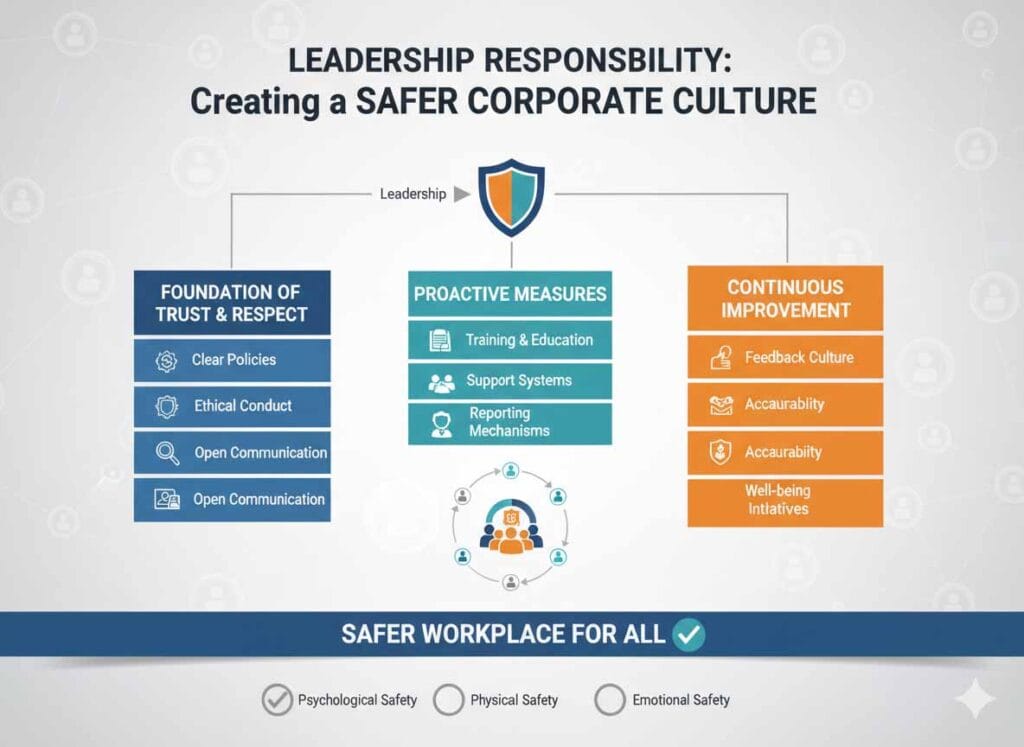
Leadership isn’t just about strategy, profits, or hitting targets. True leadership is measured by the environment you create—by how safe, valued, and empowered your people feel every day.
A strong corporate culture doesn’t emerge by chance. It’s carefully cultivated through consistent decisions, clear values, and, most importantly, visible leadership. And nowhere is this more evident than in workplace safety.
Safety Starts at the Top
Employees notice what leaders prioritize. If safety is only discussed after incidents or relegated to HR checklists, it sends the wrong message. But when executives actively engage in safety initiatives, invest in preparedness, and encourage their teams, it signals that people matter above all else.
Leadership is less about giving orders and more about setting the tone. And a culture of safety starts with leaders who walk the talk.
The Real Impact of a Safe Workplace
A culture where employees feel safe and supported isn’t just “nice to have”—it directly affects performance. Teams in safe environments:
- Communicate more openly
- Collaborate more effectively
- Take ownership of responsibilities
- Stay loyal to the organization
Conversely, workplaces that neglect safety often face hidden costs: disengagement, high turnover, reputational risk, and productivity losses. Preventing incidents is always more effective—and more humane—than responding to them.
From Policy to Practice
Stating that “we care about safety” is easy. Demonstrating it requires action.
Emergencies are unpredictable. Medical incidents, slips, or accidents can occur in any workplace, at any time. Prepared employees are the difference between chaos and control.
Structured programs like First Aid training North York equip teams with the skills to respond confidently. Employees learn how to act decisively, provide immediate support, and stabilize situations until professional help arrives.
Such training is not a checkbox—it’s a visible commitment from leadership to protect people.
Lead by Example
Culture is not shaped by memos—it is shaped by behavior. Leaders who participate in training, prioritize safety discussions, and encourage proactive reporting create a workplace where responsibility is shared and normalized.
Employees don’t just follow policy—they follow the example set for them.
Preparedness Strengthens the Organization
Confidence comes from knowing your team can handle challenges. Companies that prioritize preparedness operate with resilience. They respond faster to incidents, minimize disruption, and foster trust among employees, clients, and stakeholders alike.
Safety becomes not just a policy, but a competitive advantage.
The Leadership Legacy
Leaders leave more than financial results. They leave a culture, a reputation, and a legacy. Organizations where safety is central are environments where people feel respected and protected—a legacy that lasts far beyond quarterly reports.
Investing in a safer corporate culture is an investment in trust, loyalty, and long-term success. Leadership responsibility isn’t optional. It defines the organization’s future.
Final Thoughts
Safety is more than compliance. It is a reflection of leadership values, a signal of trust, and a measure of responsibility.
By committing to preparedness, encouraging education, and leading by example, executives shape workplaces where people thrive—confident that their well-being is a priority. That is leadership at its best.