

Entering the world of precious metals often involves a steep learning curve for the average person who is just looking to protect their savings. Many beginners feel overwhelmed when they realize that two silver coins of the exact same weight can have wildly different prices. This confusion usually stems from the fundamental divide between items valued for their metal and those valued for their rarity.
Understanding the difference between these two categories is the key to making a smart choice that aligns with your specific financial goals. One path focuses on the raw intrinsic value of the commodity, while the other treats the metal as a canvas for historical and artistic significance. Both options have their own dedicated communities and specialized marketplaces across the globe.
Selecting the right category depends on whether you are looking for a simple hedge against inflation or a complex hobby that requires deep research. For those who prioritize liquidity and a direct link to the current market price, the focus remains on securing a steady supply of investment grade silver. This clear distinction ensures that you are paying the right price for the specific type of asset you want to own.
The Fundamentals of Bullion Purity and Weight
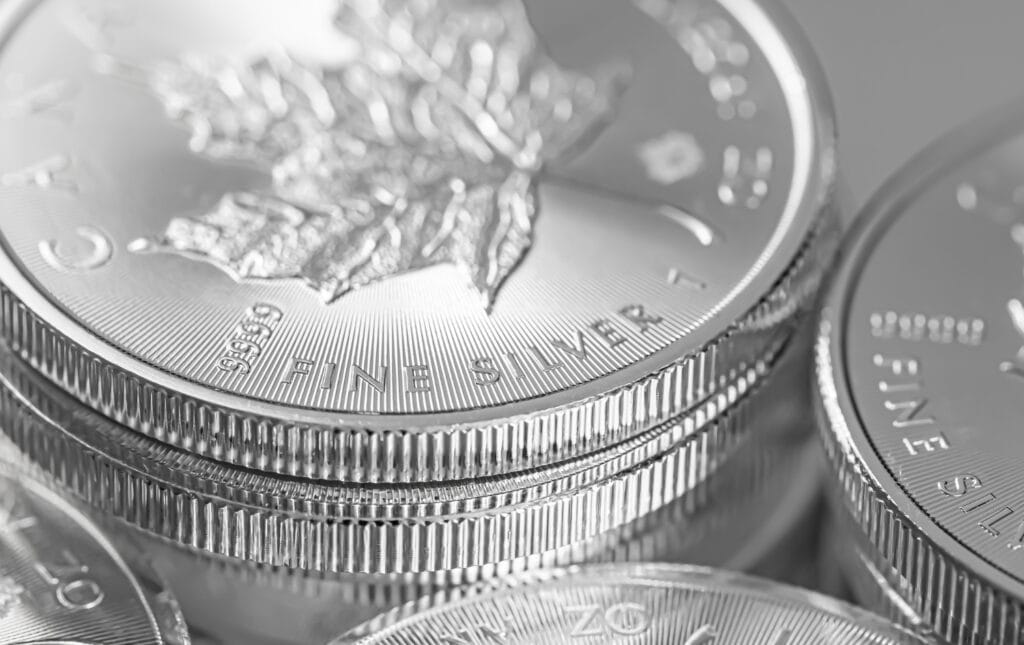
Bullion is a category of silver that is valued almost exclusively for its metal content and the purity of the material itself. Most modern bullion products are struck with a fineness of ninety nine point nine percent, which is the global standard for the industry. This high level of purity ensures that the item is recognized and accepted by dealers in every major international market.
The weight of these pieces is measured in troy ounces, which is a specific unit of measurement used only for precious metals and gemstones. Standard formats include one ounce coins, ten ounce bars, and even large hundred ounce blocks for those who want to store a significant volume of metal. This variety of sizes allows for a flexible approach to building a personal reserve of hard assets.
Standardization is the primary feature that makes bullion so attractive to the average person looking for a straightforward and secure transaction. Because every piece is identical in weight and purity, there is no need for complex individual appraisals or historical research before a sale. It is a pure commodity play that relies on the universal value of the silver itself.
Collectible Traits Such as Rarity and History
Collectible silver, often referred to as numismatic items, carries a value that goes far beyond the simple weight of the metal. These pieces are sought after because of their limited mintages, their age, or their connection to a specific historical event or person. The rarity of the item is the primary driver of its worth in the eyes of a serious and motivated enthusiast.
The condition of a collectible coin is a critical factor that can make a difference of thousands of dollars in the final market price. Professional grading services use a seventy point scale to evaluate things like strike quality, surface marks, and the original luster of the piece. A coin that is near perfect will always command a much higher premium than one that shows signs of wear.
Numismatics is a field that rewards those who take the time to study the history and the production nuances of different minting eras. Collectors often look for rare varieties or specific errors that were made during the manufacturing process long ago. This artistic and historical dimension turns a simple piece of silver into a unique artifact that tells a story of the past.
Pricing Drivers Across the Different Categories
The price of bullion is directly tied to the global spot price of silver, which fluctuates every day based on international supply and demand. Buyers expect to pay a small premium over this base price to cover the costs of minting, distribution, and the profit margin of the dealer. It is a transparent pricing model that is easy to follow for anyone with an internet connection.
In contrast, the pricing of collectible pieces is driven by the internal demand within the community of enthusiasts and the availability of the item. If a specific coin is the only one of its kind in a certain grade, the price can skyrocket regardless of what the silver spot price is doing. This market is much more subjective and relies on the emotional and competitive nature of collecting.
Understanding these different drivers helps an individual decide where to place their money based on their personal tolerance for risk and volatility. Bullion offers a more stable and predictable path that follows the general economic trends of the world. Collectibles offer the potential for massive gains but also carry the risk of a niche market that can change over time.
Storage and Resale Considerations for Owners
Storing bullion is a relatively simple task because the items are usually durable and can be kept in tubes or boxes without much worry. Many investors use professional vault services to keep their large holdings safe and fully insured against any potential loss or theft. The focus is on the total weight of the metal rather than the individual condition of each specific piece.
Collectible silver requires a much more delicate approach to storage to ensure that the surfaces are protected from toning or physical damage. Most high value coins are kept in specialized plastic slabs that are sealed to prevent any contact with the air or the oils from a person’s hands. Maintaining the perfect condition of the piece is essential for protecting its long term financial value.
Resale is another area where the two categories differ significantly in terms of ease and the speed of the transaction. Bullion can be sold to almost any coin shop or precious metals dealer in a matter of minutes for a price very close to the current spot. Collectibles often require finding the right buyer or going through a specialized auction house to achieve the true market value.
Conclusion
Summarizing the two paths shows that the best choice depends entirely on the original goals and the level of interest of the individual buyer. Those who want a simple and effective way to protect their purchasing power usually find that bullion is the most logical fit. It is a direct and efficient way to participate in the ancient tradition of owning silver.
People who enjoy the thrill of the hunt and the study of history are often drawn to the world of rare and collectible coins. While this path requires more work and a deeper level of expertise, it offers a rich and rewarding experience that goes beyond a simple bank account. Success in either field comes from a commitment to learning and a clear vision for the future.
The final result of a successful strategy is a portfolio that reflects the personality and the needs of the owner through every economic cycle. Whether you choose to focus on raw weight or historical beauty, silver remains one of the most reliable assets in the world. High standards in research and selection ensure that your hard earned savings stay safe and secure for many years.